
Why Americans Are Pushing Back Against Harsh Wildlife Control Methods

A growing number of Americans are questioning the use of harsh wildlife control methods, particularly the controversial devices known as M-44 cyanide ejectors, often referred to by critics as “cyanide bombs.” These devices are primarily used by federal wildlife management agencies to kill predators such as coyotes that are believed to threaten livestock. However, concerns over accidental deaths of pets, risks to people, and animal welfare issues have fueled calls for reform. As public awareness increases, lawmakers, conservationists, and animal welfare groups are pushing for more humane approaches to managing wildlife conflicts.
What Are Cyanide Bombs?
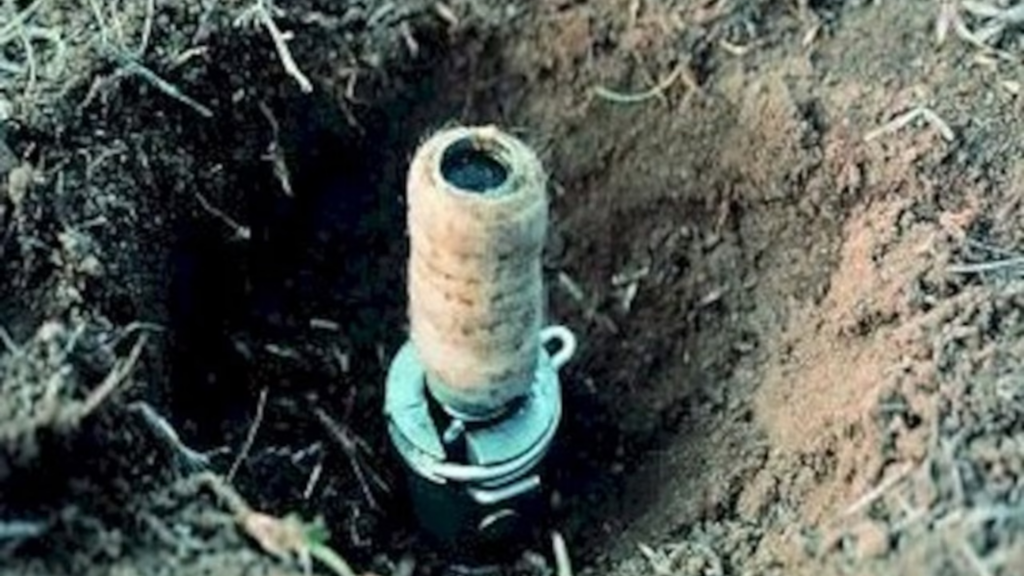
M-44 devices are spring-activated ejectors designed to spray sodium cyanide into the mouths of animals that pull on a baited lure. The poison quickly reacts with moisture to release deadly cyanide gas, often killing the targeted animal within minutes. Federal wildlife officials have used the devices for decades to control predator populations, particularly coyotes. Critics argue that the term “cyanide bomb” reflects the sudden and lethal nature of the devices, even though supporters describe them as a targeted management tool.
The Devices Have Sparked Public Outrage

Public backlash has intensified following several highly publicized incidents involving pets and accidental human exposure. In some cases, family dogs have been killed after triggering M-44 devices while walking with their owners. One widely reported incident involved a teenager who accidentally activated an M-44 near his home, exposing himself to cyanide powder while his dog died from poisoning. Such cases have raised concerns about the safety of placing these devices in areas accessible to the public.
Wildlife Advocates Call the Practice Inhumane

Animal welfare organizations argue that cyanide-based predator control causes unnecessary suffering and does not align with modern wildlife management principles. Critics contend that predators often die painful deaths after exposure and that non-target species can also become victims. Advocacy groups have increasingly campaigned for a complete ban on M-44 devices, arguing that more humane and effective alternatives are available. The debate has become a focal point in broader discussions about ethical wildlife management.
Non-Target Animals Can Become Victims

One of the most significant criticisms of M-44 devices is their potential to kill unintended animals. While designed to target coyotes and other predators, the baited devices can attract domestic dogs, foxes, bobcats, and other wildlife. Conservation groups argue that these accidental deaths undermine efforts to protect biodiversity and wildlife populations. Opponents say the inability to fully control which animals trigger the devices remains a major flaw in the system.
Livestock Producers Defend Predator Control Efforts

Many ranchers and livestock producers support predator management programs because coyotes and other predators can cause substantial losses to livestock operations. Farmers argue that protecting animals from predation is essential to maintaining profitable agricultural businesses. Supporters of predator control say wildlife managers need effective tools to respond to recurring threats. However, some producers are also exploring non-lethal methods that reduce conflicts while avoiding public controversy.
Humane Alternatives Are Gaining Support

As criticism of lethal control methods grows, interest in non-lethal alternatives has expanded. Wildlife experts increasingly recommend tools such as guardian dogs, improved fencing, nighttime enclosures, range riders, and deterrent systems that discourage predators without killing them. Research has shown that these methods can reduce livestock losses in many situations while minimizing harm to wildlife. Advocates argue that prevention-based approaches often provide longer-lasting solutions than predator removal.
Several States Have Considered Restrictions

Lawmakers in multiple states have introduced legislation aimed at limiting or banning the use of cyanide ejectors. Some proposals focus on increasing notification requirements and restricting where devices can be placed, while others seek outright bans. Supporters of reform argue that public safety concerns justify stronger oversight. The legislative efforts reflect growing political attention to the issue as more residents become aware of how the devices operate.
The Debate Highlights Changing Attitudes Toward Wildlife

Public attitudes toward predators have evolved significantly over recent decades. While predators were once viewed primarily as threats to agriculture, many Americans now see species such as coyotes, wolves, and mountain lions as important parts of healthy ecosystems. This shift has influenced wildlife management policies and increased support for coexistence strategies. The growing backlash against cyanide devices reflects broader changes in how people think about conservation and animal welfare.
The Push for Humane Wildlife Protection Continues

The debate over cyanide-based wildlife control methods has become a flashpoint in the broader conversation about how humans coexist with wildlife. Critics argue that M-44 cyanide ejectors pose risks to pets, people, and non-target animals while causing unnecessary suffering, while supporters maintain they remain an important tool for protecting livestock. As public scrutiny grows, lawmakers and wildlife agencies face increasing pressure to consider safer and more humane alternatives. The controversy highlights a larger shift toward wildlife management strategies that balance agricultural needs with animal welfare and conservation goals.
PetsFanatic Team
Pet Care Expert & Content Creator
Passionate about sharing knowledge and tips for better pet care. Writing about everything from pet health to training techniques.