
Could Scientists Really Clone a Dinosaur? Here’s What They Say
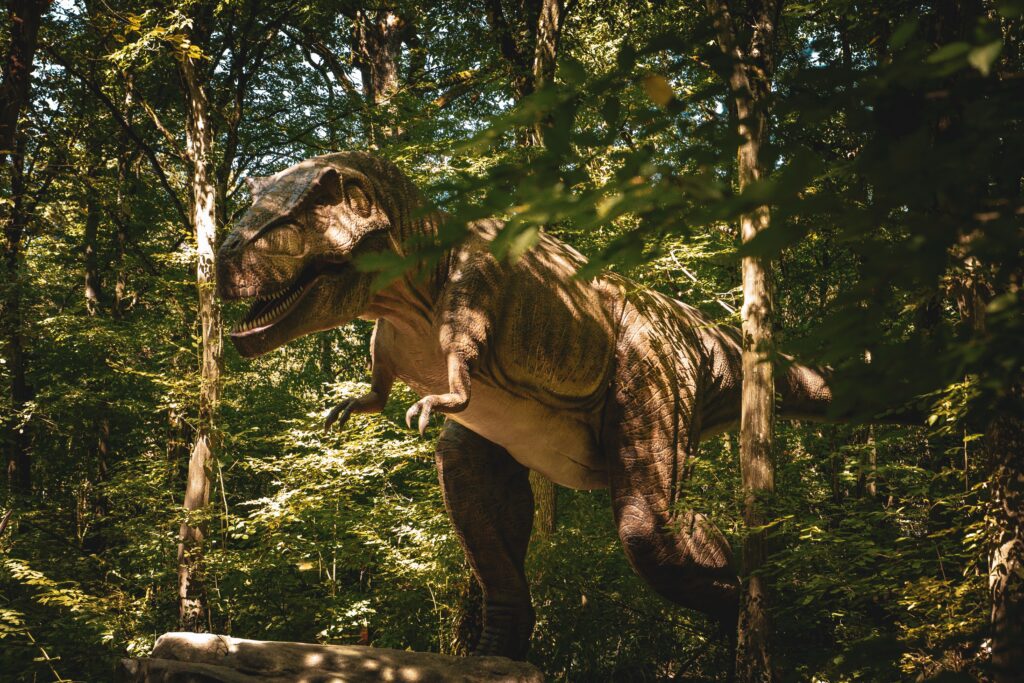
What if the next great scientific breakthrough wasn’t on Mars or in a lab, but roaring back to life from 66 million years ago? Ever since Jurassic Park debuted, the idea of cloning a dinosaur has captured imaginations worldwide. Yet despite astonishing advances in genetics, scientists say bringing back a Tyrannosaurus rex remains far more fantasy than reality.
Why Jurassic Park’s DNA Trick Doesn’t Work
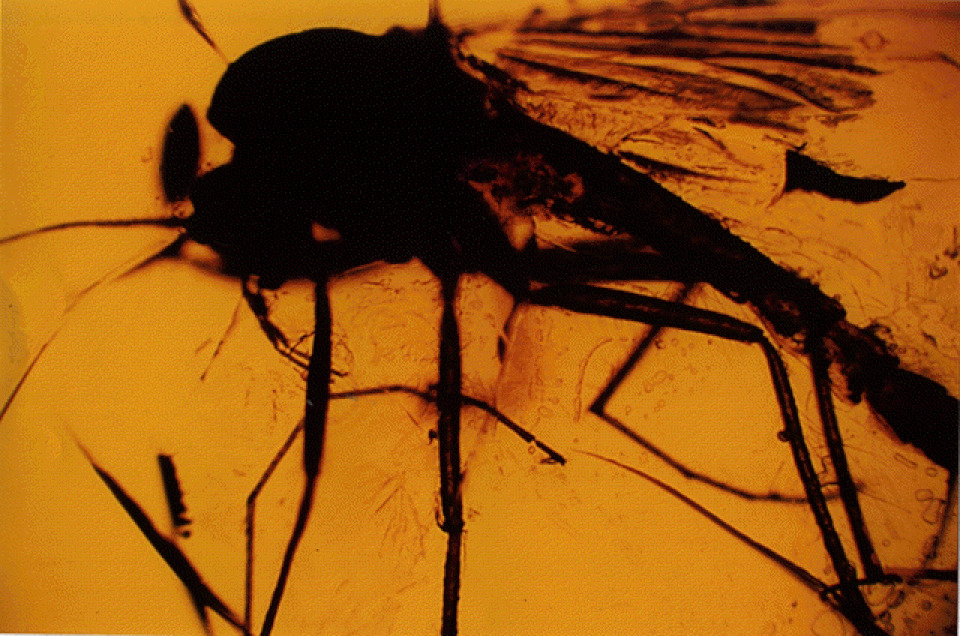
The movie’s famous premise centers on mosquitoes trapped in amber that supposedly preserved dinosaur blood. Researchers say amber can preserve the outer structure of insects, but not the soft tissues needed to recover usable dinosaur DNA. Even when traces of ancient blood-related compounds have been detected in fossil insects, scientists have not found intact dinosaur DNA inside them.
DNA Has an Expiration Date
The biggest obstacle is chemistry. DNA begins breaking down after an organism dies, and the process continues regardless of how impressive the fossil looks. Studies of ancient remains suggest DNA degrades at a predictable rate, making survival over tens of millions of years extraordinarily unlikely. Scientists note that dinosaurs disappeared about 66 million years ago, far beyond the age of any verified ancient DNA ever recovered.
The Oldest DNA Ever Found Isn’t Even Close
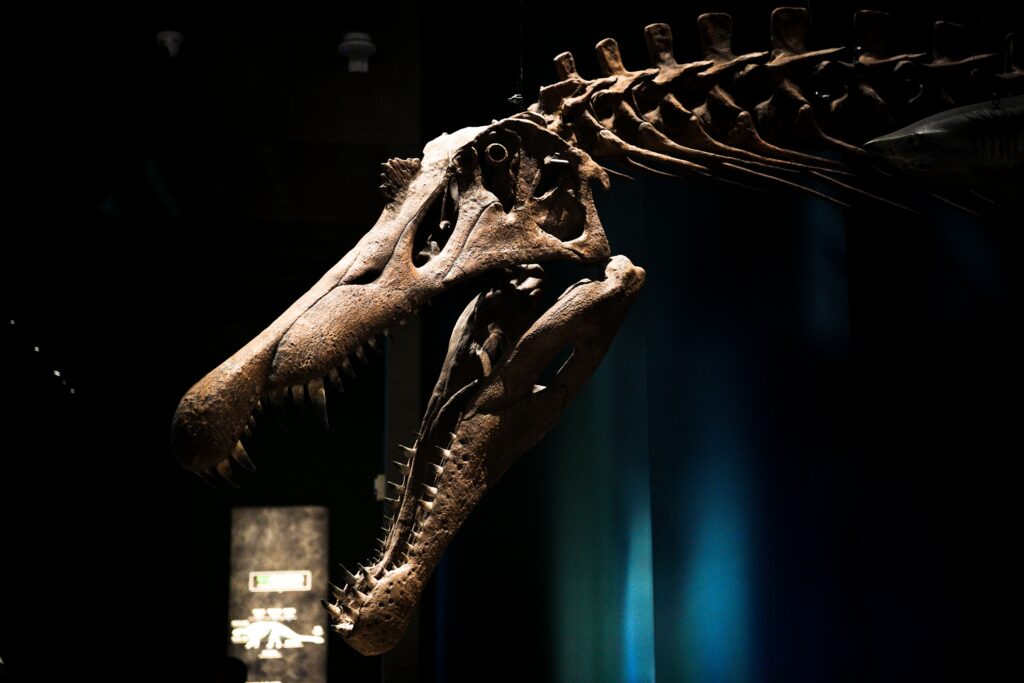
Researchers have recovered ancient DNA from relatively recent remains preserved in exceptional conditions such as permafrost. However, the oldest authenticated DNA is measured in hundreds of thousands to around a million years, not tens of millions. Scientists point out that dinosaur DNA would need to survive roughly 66 times longer than the oldest known samples, creating a gap that current science cannot bridge.
Fossils Can Preserve More Than Bones
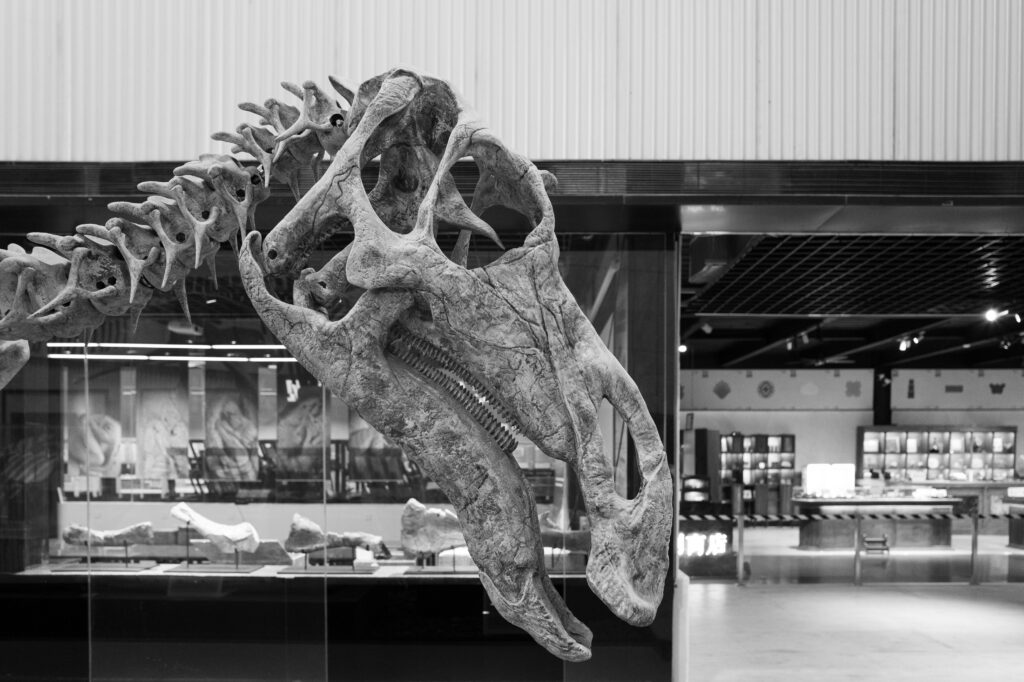
Some discoveries have sparked excitement because scientists have found structures resembling blood cells and soft tissues in dinosaur fossils. But these findings do not mean dinosaur genomes survive inside them. Researchers examining preserved dinosaur blood cell structures have reported finding no detectable DNA, underscoring the difference between preserved biological features and recoverable genetic material.
Cloning Requires More Than DNA Fragments
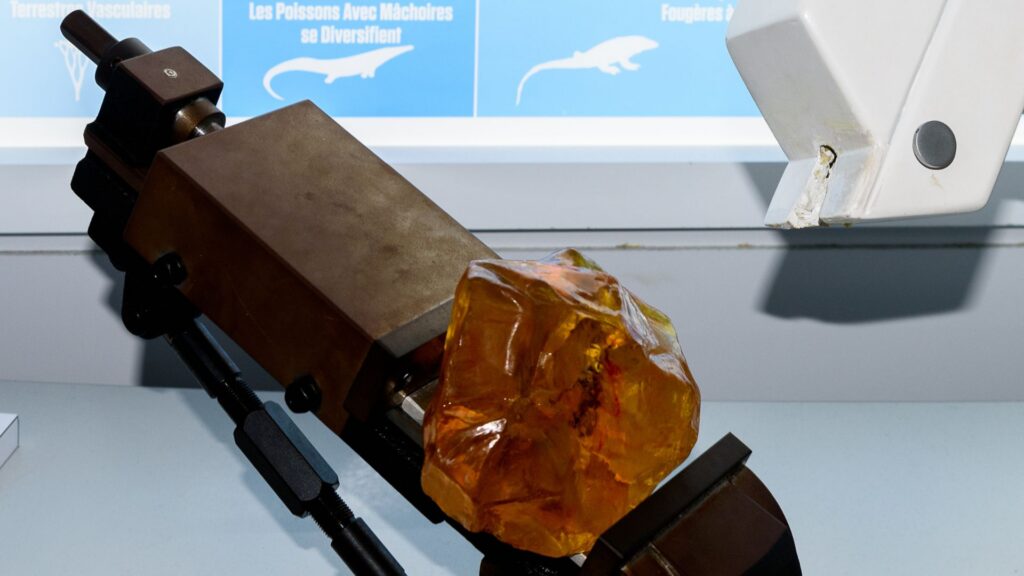
Even if tiny pieces of dinosaur DNA somehow survived, cloning would still face enormous challenges. True cloning requires a complete genome and typically a living cell to serve as the starting point. A handful of damaged genetic fragments would not provide enough information to reconstruct an entire animal, much less create a viable embryo.
Could Scientists Fill In the Missing Pieces?
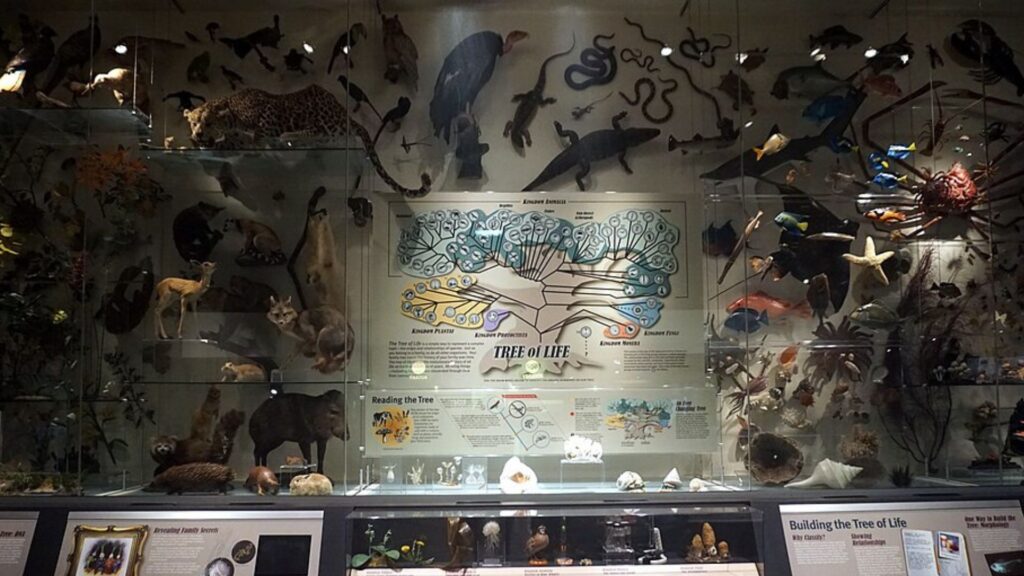
In Jurassic Park, scientists solved gaps in dinosaur DNA by inserting frog genes. Real geneticists say it is not that simple. Without a complete original genome, researchers would not know where the missing sections belong. Even if they did, frogs are distant relatives. Birds and crocodiles share much closer evolutionary connections to dinosaurs, but substituting their DNA still would not recreate a true dinosaur.
Scientists Are Exploring a Different Path
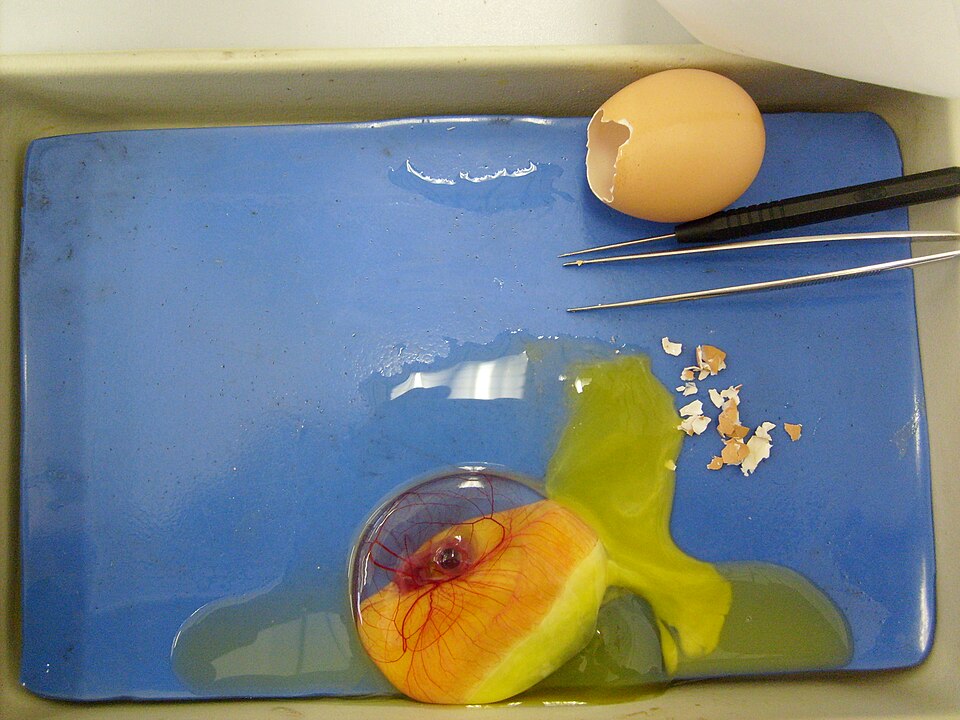
While cloning dinosaurs appears impossible, some researchers are investigating whether certain dinosaur traits could be reactivated in modern birds. Birds are living descendants of theropod dinosaurs, and experiments have altered chicken embryos to produce more ancestral features, such as snout-like structures or changes in leg development. These studies aim to understand evolution, not recreate a movie monster.
The Mammoth Comparison
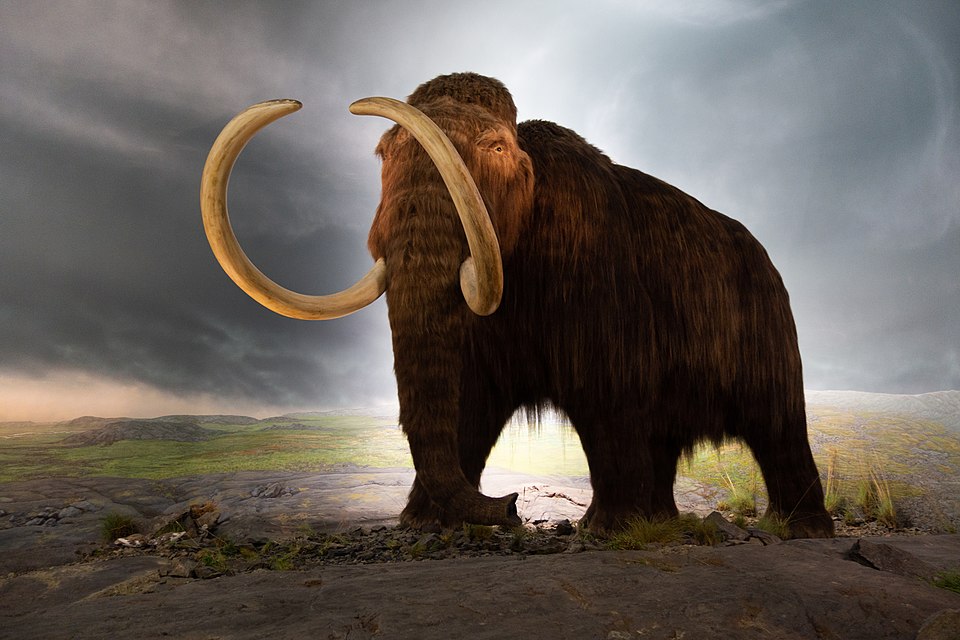
The ongoing effort to create mammoth-like elephants shows how difficult de-extinction can be, even when DNA is relatively recent. Scientists have sequenced much of the mammoth genome and inserted some mammoth genes into elephant cells, yet creating a living mammoth remains a major challenge. If mammoths, which disappeared thousands of years ago, are proving difficult, dinosaurs present a vastly greater hurdle.
The Bigger Question May Not Be “Can We?”
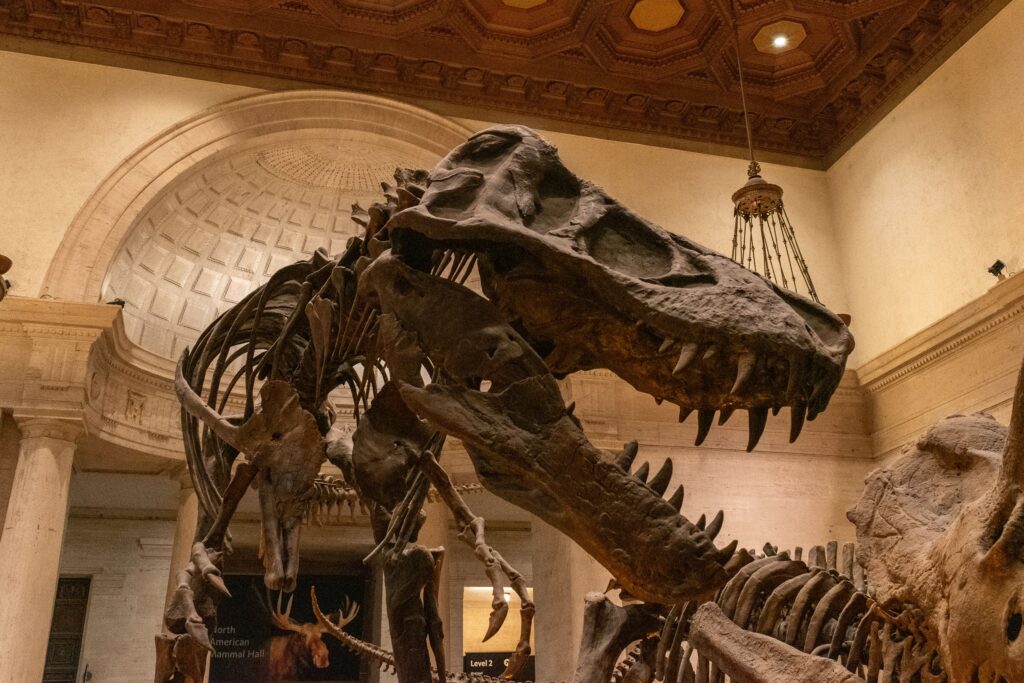
Scientists increasingly say the conversation is shifting away from whether extinct creatures can be recreated and toward whether they should be. Even if technology eventually allows more ambitious forms of genetic engineering, questions about animal welfare, ecosystems, ownership, and scientific priorities remain unresolved. For now, dinosaurs continue to teach humanity about the past rather than return to walk among us.
PetsFanatic Team
Pet Care Expert & Content Creator
Passionate about sharing knowledge and tips for better pet care. Writing about everything from pet health to training techniques.