
Scientists Find Dozens of Potentially New Species in Angola’s Remote Wilderness
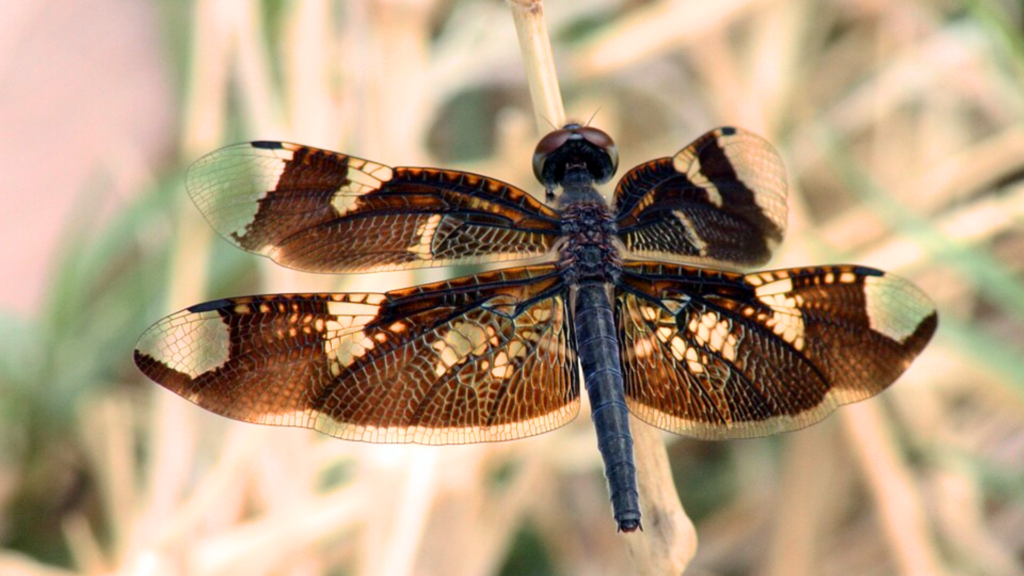
Scientists have discovered dozens of species that may be entirely new to science during an ambitious biodiversity survey in one of Africa’s least-explored regions. The findings emerged from the Cassai Life Atlas expedition, which spent several weeks studying Angola’s remote Lisima Plateau in early 2026. Researchers say the area has remained largely untouched by modern science because decades of civil war, landmine contamination, and difficult access kept many scientists away.
The expedition was organized by The Wilderness Project and brought together experts from multiple countries to document plants, insects, fish, reptiles, amphibians, birds, and mammals. Their work focused on understanding the rich biodiversity of the plateau, which serves as a crucial water source for several major river systems in southern Africa. Scientists were particularly interested in identifying species that may exist nowhere else on Earth.
Researchers recorded hundreds of species during the survey and identified dozens that could be new to science pending further study and formal classification. The discoveries highlight how much remains unknown about some of the world’s most remote ecosystems. Conservationists say the findings underscore the importance of protecting these habitats before development or environmental pressures threaten them.
Rare Species and Extraordinary Discoveries Captivate Scientists
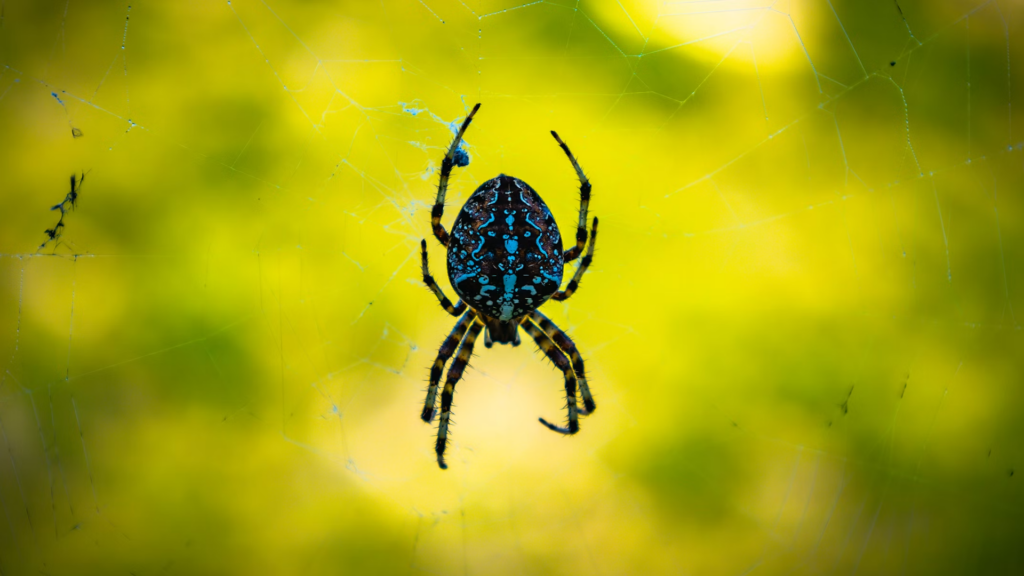
Among the most striking discoveries was a crowned crab spider that glows bright blue under ultraviolet light. Scientists are still investigating the purpose of the fluorescence, but the unusual characteristic immediately attracted attention from researchers and wildlife enthusiasts alike. The spider is believed to represent a potentially new species found nowhere else in the world.
The expedition also documented a vivid blood-orange ladybird orb-web spider that mimics toxic ladybird beetles to discourage predators from attacking it. Researchers found several unusual insects, fish, amphibians, and reptiles that appear significantly different from previously documented species. Many of these animals will require additional genetic and morphological analysis before they can officially be recognized as new species.
Beyond individual discoveries, scientists were impressed by the overall biodiversity of the region. The Lisima Plateau contains wetlands, grasslands, forests, and waterways that support a wide range of life forms. Researchers believe the area’s geographic isolation helped many species evolve unique traits over thousands of years.
Why Angola’s Lisima Plateau Is So Important for Conservation
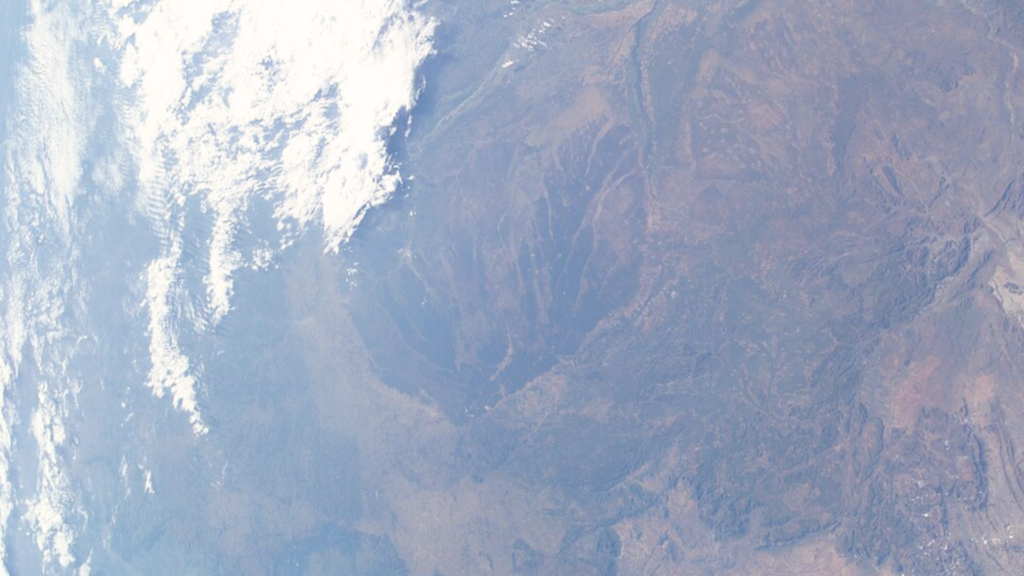
The Lisima Plateau is considered a critical ecological region because it serves as the source of several major river systems, including tributaries connected to the Congo and Zambezi basins. Healthy ecosystems in the area help regulate water flow, support wildlife populations, and maintain biodiversity across a large portion of southern Africa. Scientists say protecting the plateau could have benefits that extend far beyond Angola’s borders.
Researchers noted that Angola remains one of the least biologically documented countries in Africa despite its vast natural resources and diverse habitats. Many regions were inaccessible for decades because of the country’s lengthy civil conflict, leaving significant gaps in scientific knowledge. As a result, modern expeditions are revealing species and ecosystems that have never before been formally studied.
Conservation organizations hope the discoveries will encourage additional research and stronger habitat protections. Identifying new species can help governments and environmental groups better understand which areas require conservation attention. The findings also demonstrate that unexplored wilderness areas continue to play a vital role in preserving global biodiversity.
Discoveries Highlight the Value of Protecting Remote Wilderness
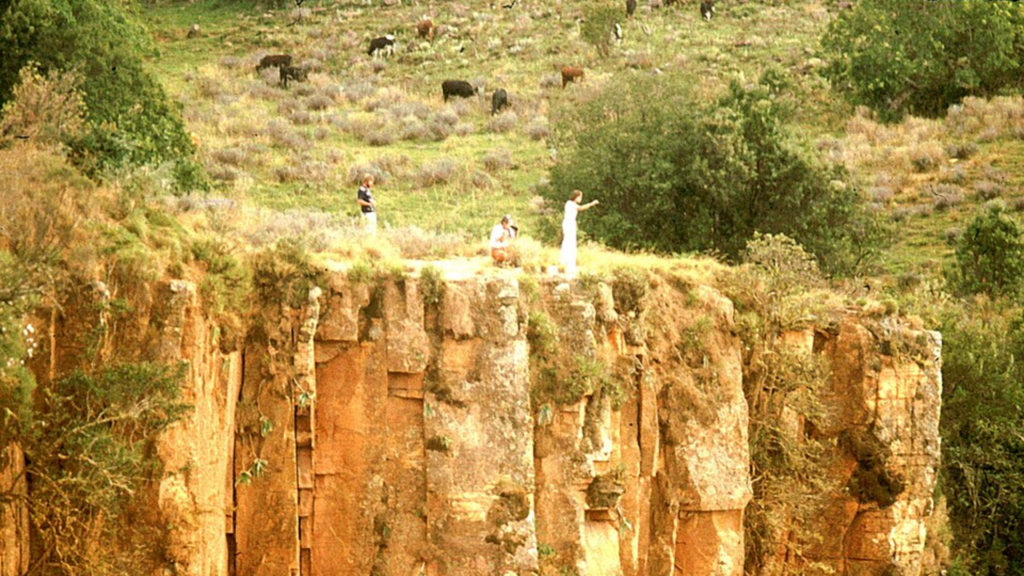
The discovery of dozens of potentially new species on Angola’s Lisima Plateau represents one of the most exciting biodiversity findings in recent years. From fluorescent spiders to previously undocumented insects and amphibians, the expedition revealed how much remains unknown about some of Earth’s most remote ecosystems. Researchers believe additional exploration could uncover even more species in the future.
The findings also emphasize the scientific value of regions that have remained largely untouched by development and extensive human activity. Areas such as the Lisima Plateau provide rare opportunities to study evolutionary processes and ecological relationships that may not exist elsewhere. Preserving these habitats ensures that future generations can continue learning from them.
As scientists continue analyzing specimens collected during the expedition, many of the discoveries could eventually receive official scientific names and classifications. For conservationists, the survey serves as a reminder that protecting wilderness areas is essential not only for wildlife but also for expanding humanity’s understanding of the natural world. The discoveries from Angola highlight both the richness of life on Earth and the importance of safeguarding it.
PetsFanatic Team
Pet Care Expert & Content Creator
Passionate about sharing knowledge and tips for better pet care. Writing about everything from pet health to training techniques.