
The USDA Confirms the First Texas Screwworm Fly Case in Nearly 60 Years as Officials Warn of Threats to Livestock and Pets
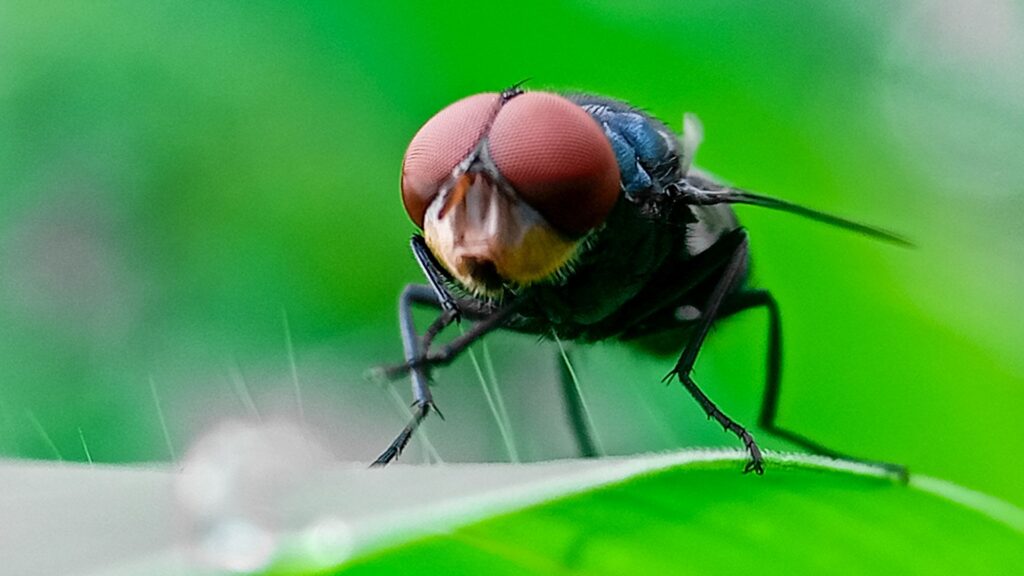
For the first time since 1966, federal officials have confirmed a New World screwworm fly case in Texas. Agriculture Secretary Brooke Rollins announced the detection in a 3-week-old calf in La Pryor, roughly 50 miles from the Mexico border. The parasite, whose larvae feed on living tissue, had been eradicated from the U.S. decades ago but has been making its way north through Mexico for more than a year.
A 3-Week-Old Calf in La Pryor Is at the Center of the Detection
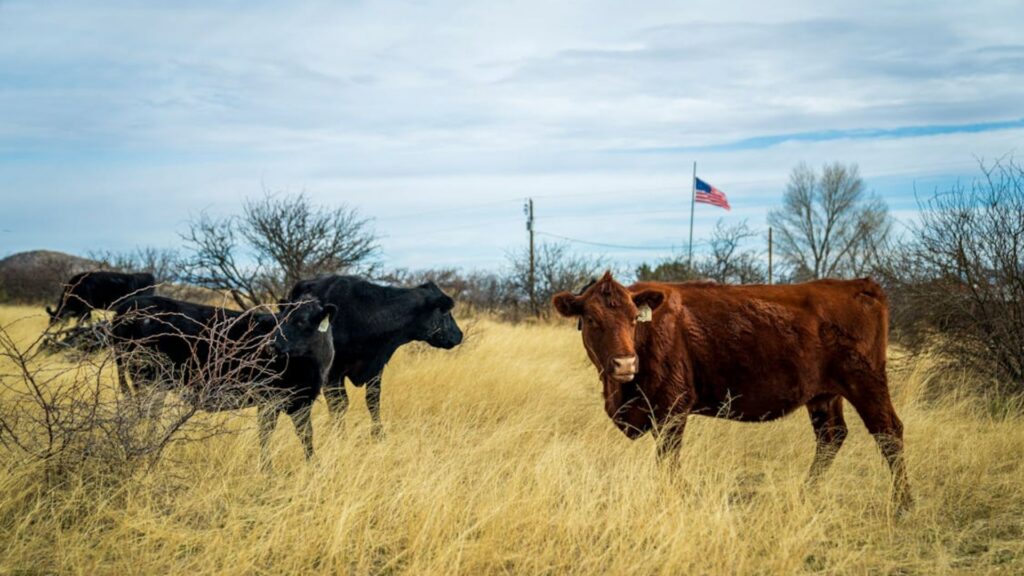
The infected animal is a young calf found in La Pryor, a small community in South Texas situated near the U.S.-Mexico border. Rollins confirmed it is the only known case in the country at this time. Despite the alarming nature of the detection, officials said the calf is expected to recover with proper treatment, and the fly’s larvae do not contaminate food supplies.
A 12-Mile Quarantine Zone Has Been Put in Place
Texas State Veterinarian Bud Dinges established a 12-mile quarantine zone around the site. Under the restriction, no warm-blooded animal, including livestock and household pets, can leave the zone without an official inspection. Dinges urged ranchers and pet owners in the affected area to comply with restrictions, warning that movement of animals outside the zone risks further spread of the pest.
How the Screwworm Fly Attacks Its Hosts

The New World screwworm fly is unlike most fly species in one critical way, according to federal agriculture officials: its larvae survive by consuming the flesh of living warm-blooded animals. Female flies seek out open wounds or body openings to lay their eggs. Once hatched, larvae burrow deeper into flesh, causing severe infections that can prove fatal if left untreated. Livestock, wild mammals, pets, and in rare cases humans are all considered vulnerable.
The Pest Had Been Eradicated From the U.S. Decades Ago

The screwworm fly was once a widespread threat across the southern United States, costing the livestock industry tens of millions of dollars before a sustained eradication effort in the 1970s brought it under control. For decades after that, the pest was largely contained to Panama. Its renewed northward movement through Central America and Mexico over recent years put U.S. officials back on alert well before this latest case.
Sterile Fly Releases Are the Primary Defense Against the Pest

The main tool in the response is a proven eradication method: releasing sterile male flies into affected areas. Because female screwworm flies typically mate only once, pairing with a sterile male leaves them unable to produce viable offspring. The USDA has already begun releasing sterile flies near La Pryor, using the same approach that successfully eliminated the pest from the U.S. more than 50 years ago.
The USDA Has Made Major Investments to Scale Up Its Response

In anticipation of the threat, the USDA committed $21 million to convert a fruit-fly breeding facility in southern Mexico into a screwworm production site, Rollins said, with the facility expected to be operational next month. A separate $750 million screwworm fly factory is also under construction in southern Texas. Officials have deployed 8,000 fly traps along the U.S.-Mexico border and tested more than 58,000 fly samples alongside 19,000 wild animals.
Officials Are Confident but Cautious About Further Spread

Despite the detection, federal officials said the situation remains contained. Rollins stated the USDA believes there is no threat of mass infestation and said the fly does not travel great distances on its own. The U.S.-Mexico border has remained closed to livestock imports from Mexico since last year as a precautionary measure, a policy Rollins defended as the screwworm continued its advance northward through the country.
The Cattle Industry Is Already Under Strain

The detection comes as the U.S. cattle herd sits at its lowest level in 75 years and beef prices have reached record highs. A wider screwworm outbreak, while not yet realized, could further tighten supplies and drive up costs for both ranchers and consumers. Texas Agriculture Commissioner Sid Miller called on the federal government to deploy every available resource before the situation worsens.
Officials Say the U.S. Has Beaten This Pest Before
Wednesday’s announcement marks only the third confirmed U.S. detection of the New World screwworm in recent decades. The previous case was a Florida Keys outbreak in 2016, largely contained among wild deer by early 2017. A Maryland resident also contracted the parasite in August 2025 after traveling to El Salvador, though no further spread was found. USDA Undersecretary Dudley Hoskins said the U.S. has eliminated this pest before and will do it again.
PetsFanatic Team
Pet Care Expert & Content Creator
Passionate about sharing knowledge and tips for better pet care. Writing about everything from pet health to training techniques.