
Emergency Declared as Invasive Golden Mussels Threaten California Water Systems: ‘Prevention Alone Is Not Enough’
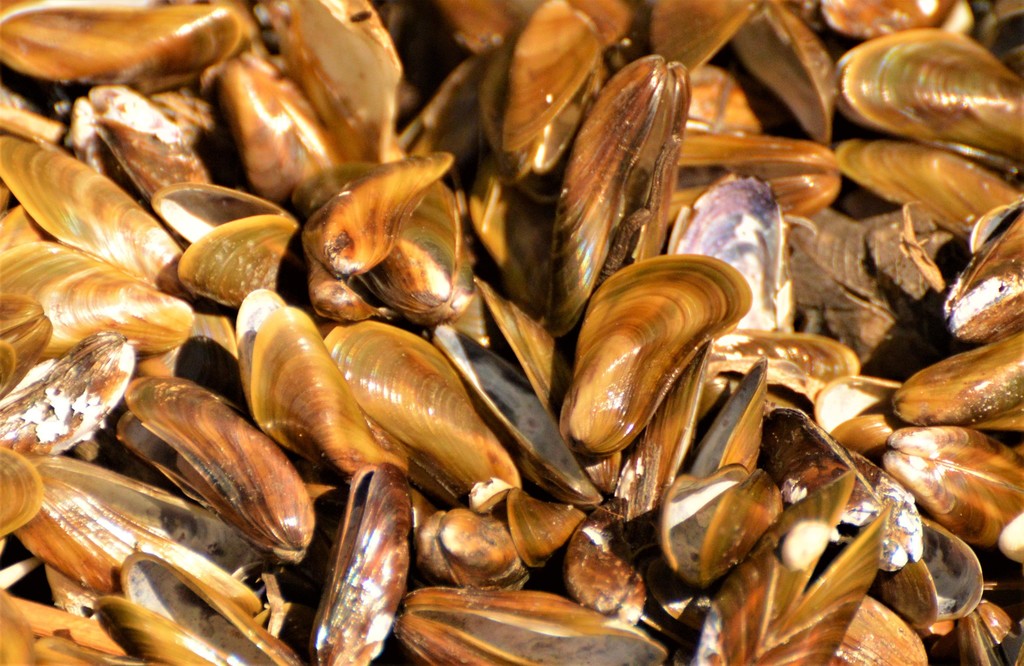
Officials in California’s San Joaquin County have declared a local emergency over the spread of invasive golden mussels, warning that the species poses a growing threat to water systems, agriculture and critical infrastructure throughout the state. The emergency declaration, approved unanimously by the county’s Board of Supervisors in late April, calls for stronger state coordination, additional funding and long-term mitigation efforts aimed at slowing the spread of the mussels across the Sacramento-San Joaquin Delta.
Golden mussels, native to China and Southeast Asia, were first discovered in North America in October 2024 during routine inspections at the Port of Stockton. Since then, officials say the species has spread rapidly through waterways stretching from the Bay Area to Southern California. According to the California Department of Water Resources and local officials, the mussels attach themselves to hard surfaces in dense colonies that can clog pipes, block water intake systems and disrupt ecosystems.
County leaders described the situation as increasingly urgent because more than two-thirds of the Sacramento-San Joaquin Delta falls within San Joaquin County. The region serves as a major source of drinking water, agricultural irrigation and recreation for millions of Californians. Supervisor Paul Canepa warned that “prevention alone is not enough” now that the species has already become established in parts of the Delta.
The Mussels Are Already Damaging Infrastructure
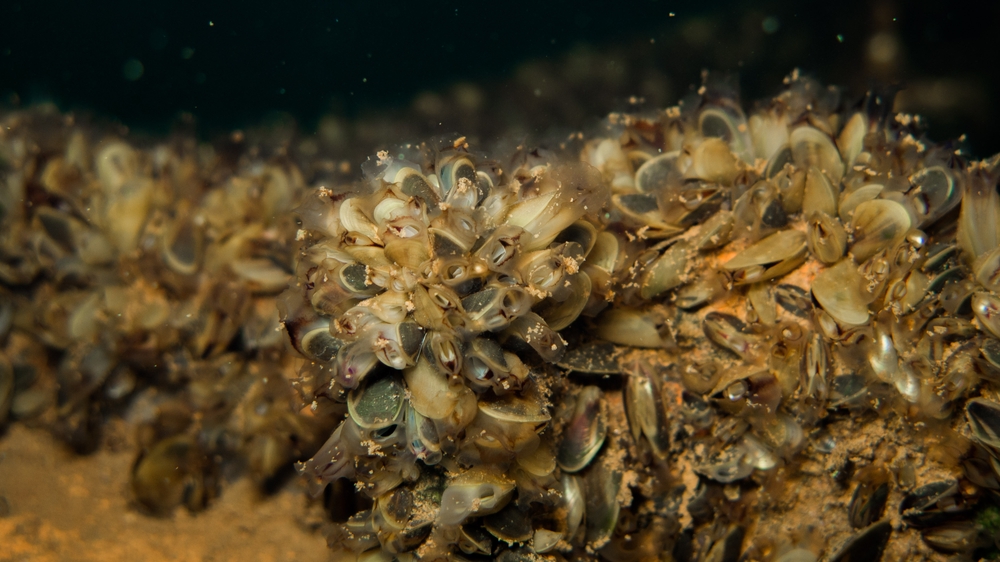
Officials say the invasive species is not simply an environmental nuisance but a major infrastructure threat. According to ABC News reporting, dense accumulations of golden mussels have already blocked municipal and industrial water pipes, forcing agencies to undertake costly cleanup and maintenance operations. Water conveyance systems, pumping stations and flood-control infrastructure are all considered vulnerable as the infestation spreads.
One newly completed floodgate project that reportedly cost roughly $100 million has already experienced mussel buildup requiring expensive mitigation efforts. Experts told ABC News that a single female golden mussel can produce up to one million offspring annually, allowing colonies to expand quickly once they become established. The species also tolerates a wider range of water chemistry conditions than zebra and quagga mussels, increasing concern that it could spread into waterways previously considered less vulnerable.
The mussels grow in tightly packed colonies that can contain as many as 200,000 organisms per square meter, according to information shared by the Tri-Dam Project, a partnership involving regional irrigation districts. Once attached, they use strong byssal threads to anchor themselves to surfaces ranging from pipes and docks to boats and flood-control equipment. Officials believe the species likely arrived in California through international shipping activity after causing similar disruptions in South American countries including Brazil and Argentina.
Environmental Risks Extend Beyond Water Pipes
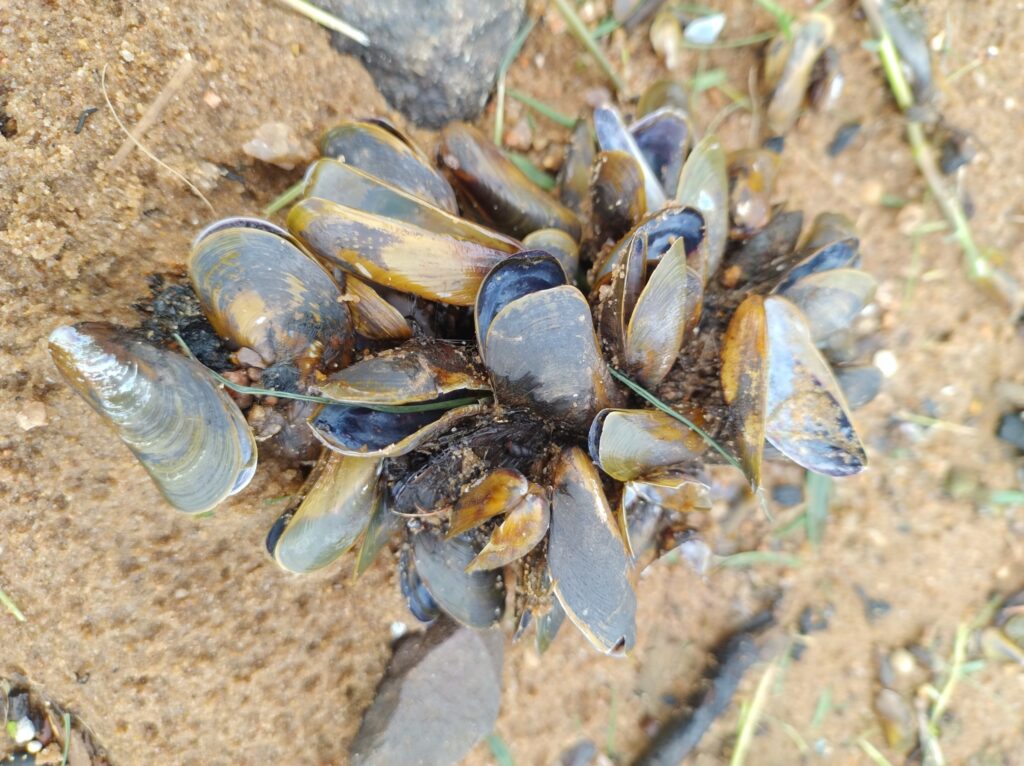
Scientists and environmental officials say the consequences extend well beyond damaged infrastructure. Golden mussels are highly efficient filter feeders that consume massive amounts of microscopic organisms from the water, potentially disrupting entire aquatic food chains. Environmental experts interviewed by ABC News warned that the species can contribute to algae blooms and oxygen depletion that threaten native fish populations.
California agencies have already launched public-awareness campaigns encouraging boaters to follow “Clean, Drain, Dry” procedures designed to slow the spread between lakes and reservoirs. But local leaders increasingly argue those prevention efforts alone are no longer sufficient now that established colonies exist within the Delta itself. Officials say larvae can move through the water column before attaching themselves to new surfaces, allowing infestations to establish rapidly across connected waterways.
Supervisor Mario Gardea warned during county discussions that taxpayers could eventually face major mitigation costs if the infestation continues growing unchecked. He described Stockton as “ground zero” for the problem and urged stronger regional cooperation before the species spreads even further. Officials also warned that the infestation could threaten boating access, recreation, agriculture and freshwater systems throughout the region.
Officials Race to Find Long-Term Solutions

State and local officials are now exploring a range of mitigation strategies aimed at controlling the infestation while protecting California’s water infrastructure. Researchers are testing treatments including chlorine, copper, potassium chloride and Zequanox, a bacteria-based product designed to kill invasive mussels by disrupting their feeding process. The California Department of Water Resources is also evaluating ultraviolet disinfection systems and hot-water decontamination methods for boats and equipment.
At the legislative level, California lawmakers are pushing proposals that would fund new decontamination stations throughout the Delta region. One proposal backed by Assemblymember Rhodesia Ransom would allocate roughly $1.5 million for each station while streamlining permitting rules that officials say currently slow response efforts. County officials are also coordinating with state and federal agencies to pursue additional technical assistance and emergency funding.
Governor Gavin Newsom’s administration has acknowledged that the challenge will require what officials described as a “sustained commitment rather than short-term emergency measures.” State agencies say they remain in close contact with county leaders while developing broader statewide mitigation plans. For now, water managers and environmental experts warn that the cost of containing the infestation will likely continue rising as golden mussels spread deeper into California’s interconnected waterways.
PetsFanatic Team
Pet Care Expert & Content Creator
Passionate about sharing knowledge and tips for better pet care. Writing about everything from pet health to training techniques.