
How Sea Turtles Are Helping Scientists Build Better Cyclone Forecasts

When scientists think about improving tropical cyclone forecasts, sea turtles are not the first animals that come to mind. But researchers in Australia have discovered that these deep-diving reptiles can gather valuable ocean data from places that are difficult, dangerous, or impossible for humans to reach. Their underwater journeys are now helping scientists better understand how cyclones form, strengthen, and weaken.
Why The Ocean Holds The Key To Cyclone Strength

Tropical cyclones draw their energy from warm ocean waters. As storms move across the sea, their powerful winds churn surface waters, mixing them with cooler water from below. This creates a “cold wake” that can reduce the amount of heat available to fuel the storm. Scientists say understanding how temperatures change beneath the surface is just as important as measuring temperatures at the ocean’s surface when predicting how intense a cyclone may become.
Traditional Ocean Monitoring Has Major Gaps

Collecting subsurface ocean data across northern Australia has long been a challenge. The Timor and Arafura seas cover vast, remote areas where ships and underwater gliders can sample only limited locations. Dangerous weather also makes it impractical to send research vessels into active cyclones, leaving forecasters with significant gaps in the data needed to improve storm predictions.
Researchers Turned To Sea Turtles
To overcome those limitations, scientists equipped olive ridley and flatback sea turtles with GPS trackers and oceanographic sensors attached to their shells. As the turtles naturally dive, sometimes reaching depths of around 80 meters (260 feet), the instruments record water temperatures and transmit the information by satellite almost immediately. Between 2014 and 2024, 46 turtles collected more than 8,000 temperature measurements across northern Australia.
One Turtle Swam Straight Through A Category 5 Cyclone

The project produced one especially remarkable encounter during Cyclone Ilsa in April 2023. As the Category 5 storm crossed the warm Timor Sea, one instrument-equipped turtle happened to be directly beneath it. While the cyclone generated the fastest sustained winds ever recorded by Australia’s Bureau of Meteorology at 219 kilometers per hour (136 mph), the turtle continued collecting ocean temperature data before, during, and after the storm passed overhead.
The Data Revealed What Forecast Models Missed

Measurements collected during Cyclone Ilsa showed that the storm cooled the ocean surface by about 2 degrees Celsius through mixing with colder water below. Researchers found that if the storm had remained over the same location longer, this cooling could potentially have weakened it from Category 5 to Category 4. Comparing the turtle observations with advanced ocean models also revealed that some forecasting systems underestimated this important cooling process, potentially leading to overestimates of cyclone intensity.
The Turtles Delivered More Than One Success Story
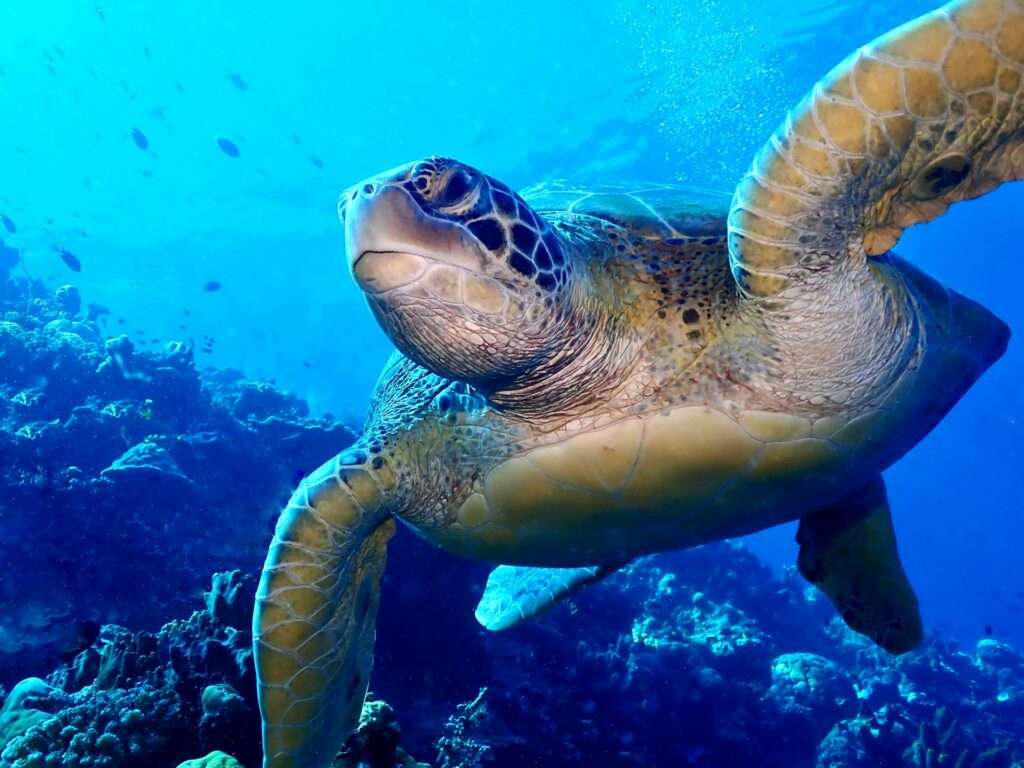
Cyclone Ilsa was not the only storm captured by the project. Researchers matched turtle observations with Australia’s historical cyclone records and found the animals had gathered real-time measurements within five tropical cyclones, including Category 4 Cyclone Rusty. In all but one case, the turtles recorded significant ocean cooling as storms passed overhead, strengthening confidence in the approach.
A Low-Cost Tool For Vulnerable Regions

Scientists say the technology could be especially valuable for countries with limited resources for ocean monitoring. Unlike expensive ships or specialized underwater vehicles, the turtle-mounted instruments require relatively little equipment to deploy and can continue collecting data during severe weather. That makes the system an attractive option for tropical regions where cyclone forecasting is critical but traditional observing networks remain sparse.
Collaboration Made The Project Possible

The research brought together scientists from the Australian Institute of Marine Science, CSIRO, the Integrated Marine Observing System, Macquarie University, the University of Western Australia, UNSW, and traditional owners. By combining marine biology with oceanography and meteorology, the team developed a monitoring system that uses the turtles’ natural behavior to gather scientific observations that would otherwise be difficult to obtain.
Nature May Help Improve Tomorrow’s Forecasts

As climate change continues influencing weather extremes, improving cyclone forecasts has become increasingly important for protecting lives and infrastructure. Researchers believe sea turtles could become long-term partners in expanding ocean observation networks across the tropics, providing data that helps scientists better understand the complex relationship between the ocean and powerful storms. Their work suggests that one of the ocean’s oldest inhabitants may also become one of its most valuable scientific observers.
PetsFanatic Team
Pet Care Expert & Content Creator
Passionate about sharing knowledge and tips for better pet care. Writing about everything from pet health to training techniques.