
Decades After Extinction, Alleged Tasmanian Tiger Sightings Continue to Spark Debate and Fascination
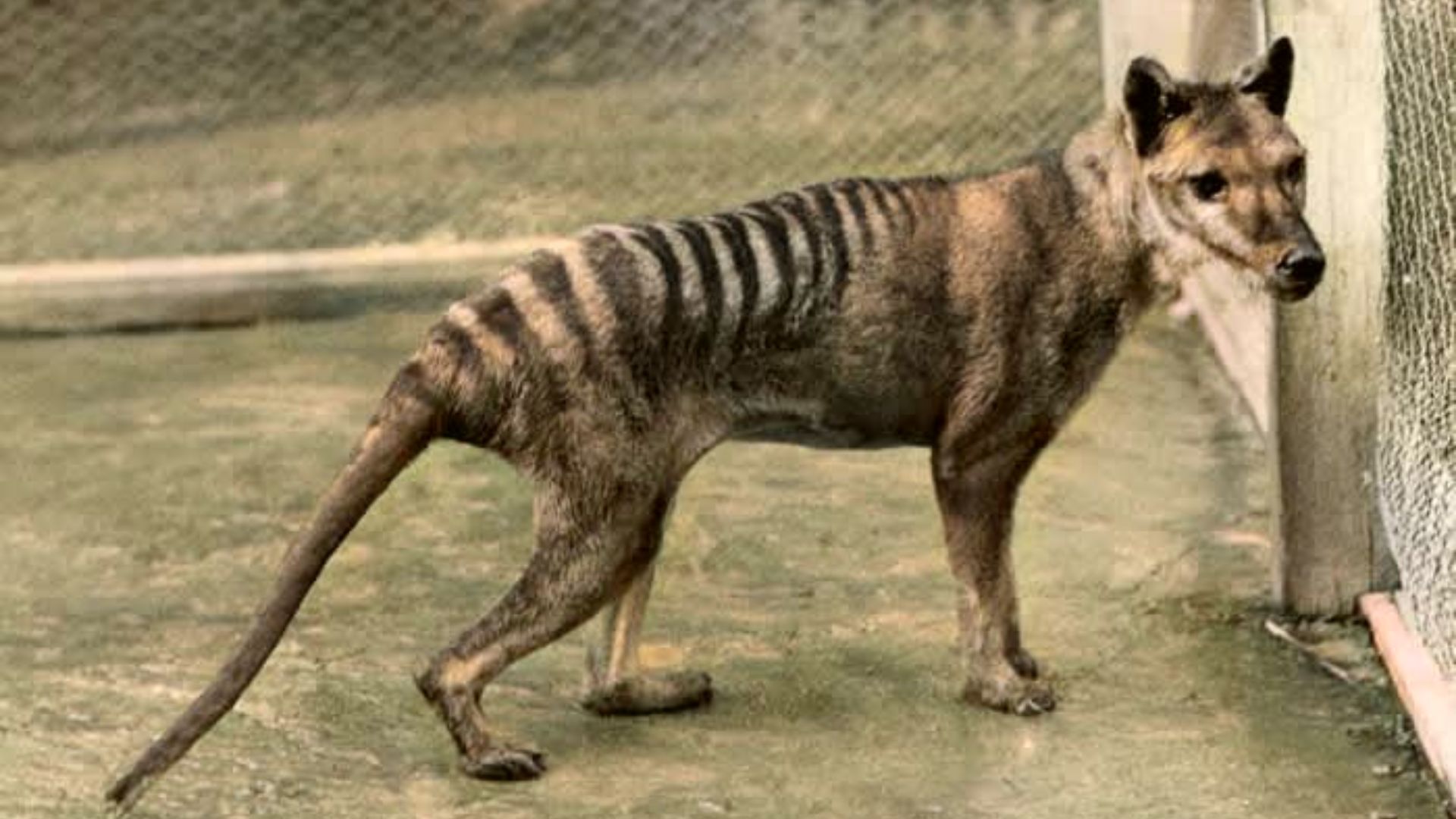
The Tasmanian tiger, more accurately known as the thylacine, officially went extinct nearly 90 years ago. Yet the striped marsupial continues to occupy a rare place between science, folklore and national memory, with alleged sightings still reported across Australia’s wilderness.
The animal once roamed mainland Australia, Tasmania and parts of New Guinea before disappearing from the mainland roughly 2,000 to 3,000 years ago. By the time European settlers arrived in Tasmania in the early 1800s, only an estimated 5,000 remained on the island. Farmers blamed the carnivorous predator for attacks on livestock, prompting government bounty programs that accelerated the species’ decline.
The last known thylacine died at Hobart’s Beaumaris Zoo on Sept. 7, 1936, just weeks after the species finally received legal protection. Scientists later declared the species officially extinct in 1986 after decades passed without confirmed evidence of survival.
Despite its “tiger” nickname, the thylacine was not related to big cats. The striped predator was a marsupial more closely related to Tasmanian devils and quolls. Its appearance, often described as a blend of wolf, fox and dog, helped make it one of the world’s most recognizable extinct animals.
Why Reported Sightings Refuse to Disappear
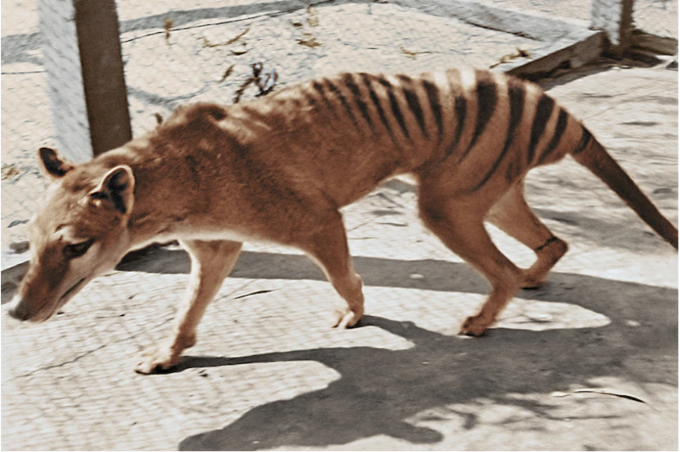
For decades, people across Tasmania and mainland Australia have continued reporting encounters with what they believe are surviving thylacines. The reports range from blurry trail-camera footage to detailed eyewitness descriptions from hikers, hunters, park rangers and wildlife enthusiasts.
Tasmania’s government has investigated hundreds of alleged sightings over the years. In one 2019 report, a man claimed to have discovered a possible thylacine footprint near Hobart. Other witnesses described animals with stiff tails, striped backs and dog-like features moving through remote wilderness areas.
Some reports have come from experienced outdoorsmen and wildlife observers, giving the claims more attention than typical folklore. Retired biologist Nick Mooney, who spent years reviewing sightings for Tasmanian authorities, acknowledged that some eyewitness accounts were difficult to dismiss outright. He noted that certain witnesses provided highly specific details about distance, lighting and behavior.
One of the most dedicated searchers, Adrian Richardson, has spent more than three decades exploring Tasmania with trail cameras and recording equipment. Richardson claims he heard distinctive thylacine calls in 2017 while camping in remote wilderness. Although he never captured definitive evidence, he remains convinced the species survives in isolated pockets of Tasmania.
Scientists Are Divided Over the Possibility
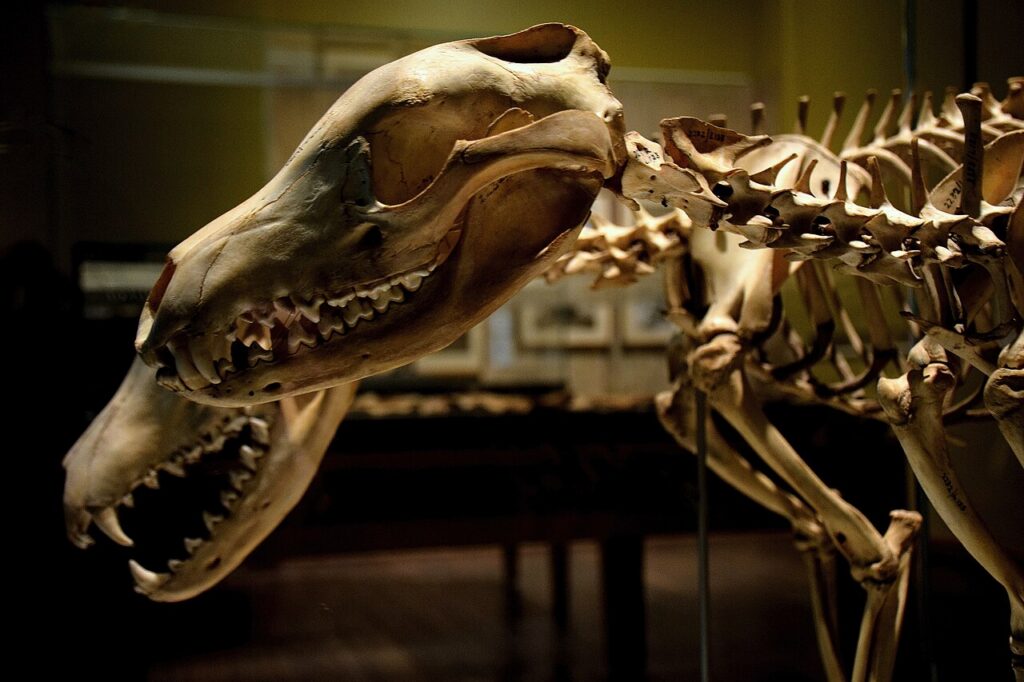
While no verified photograph, carcass or DNA sample has confirmed the thylacine’s survival, some researchers argue the species may have lasted much longer than previously believed. A 2023 study analyzing 1,237 reported sightings estimated that thylacines may have survived into the late 20th century, possibly even the 1990s.
Researchers behind the study ranked sightings based on credibility, giving more weight to reports from biologists, former trappers and park rangers than casual observers. Their statistical modeling suggested remote areas of Tasmania’s southwest wilderness could have sheltered a tiny surviving population decades after the last captive animal died.
Still, many scientists remain skeptical that the species exists today. Experts point out that Tasmania now contains extensive camera trap networks, environmental monitoring systems and large numbers of hikers and researchers. Critics argue it would be extraordinarily difficult for a large predator to remain entirely undetected for nearly a century.
Some researchers also note that thylacines resemble dogs closely enough that misidentification remains possible, especially in poor lighting or at long distances. Andrew Pask, a University of Melbourne scientist involved in thylacine genetic research, told Live Science there is still no conclusive evidence supporting modern survival, even if small wild populations may have briefly persisted after 1936.
The Push to Bring the Thylacine Back
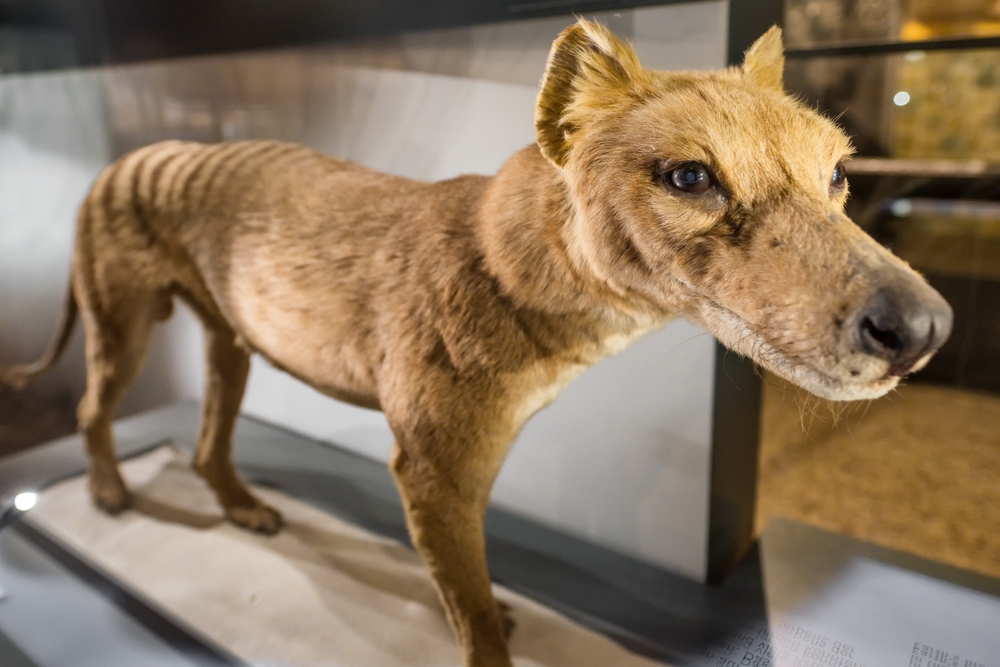
Even as debate continues over whether any thylacines survived undetected, scientists are already attempting something even more ambitious: de-extinction. Several research teams are exploring whether advances in genetics could eventually recreate a thylacine-like animal using preserved DNA.
One of the most prominent efforts is led by the TIGRR Lab at the University of Melbourne in partnership with biotechnology company Colossal Biosciences. Researchers are comparing thylacine DNA with that of the fat-tailed dunnart, a small carnivorous marsupial considered the extinct predator’s closest living relative. The goal is to edit dunnart cells to resemble thylacine genetics closely enough to eventually produce a living animal.
Supporters of the project argue the thylacine’s extinction was directly caused by human activity, making restoration efforts ethically meaningful. They also say technologies developed through de-extinction research could help preserve endangered marsupials alive today.
Others question whether true resurrection is scientifically realistic or ecologically responsible. Critics argue that even if researchers recreated an animal genetically similar to the thylacine, it would not fully restore the lost species or its vanished ecosystem. For now, the Tasmanian tiger remains suspended between extinction, memory and possibility — an animal whose story continues to evolve long after science declared its end.
PetsFanatic Team
Pet Care Expert & Content Creator
Passionate about sharing knowledge and tips for better pet care. Writing about everything from pet health to training techniques.