
After 12 Years and Three Presidents, Colombia Says the Only Way to Stop Escobar’s Hippos Is to Cull Them

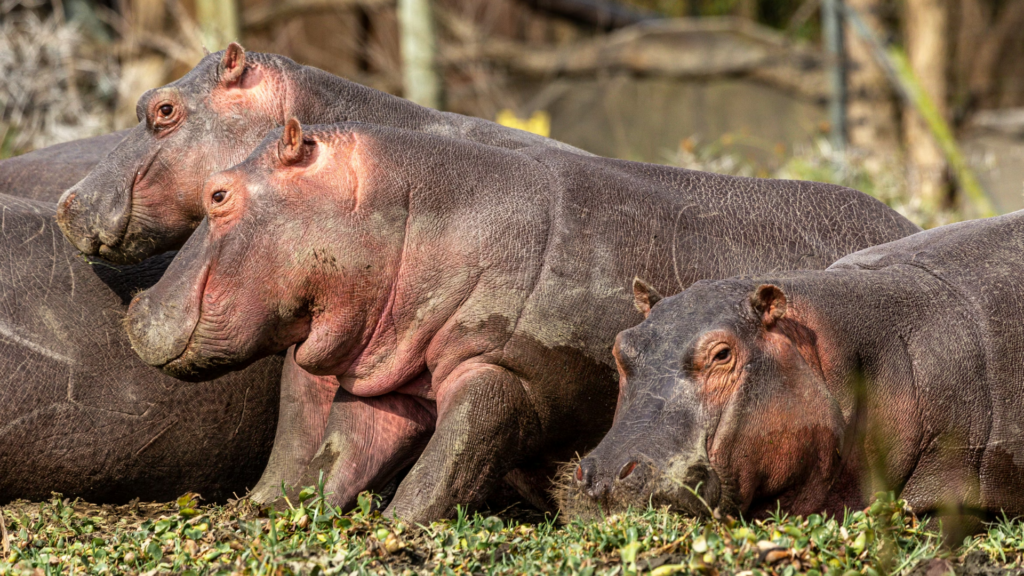
What began decades ago as an unusual legacy of drug lord Pablo Escobar has now turned into a growing environmental crisis, as Colombia faces a difficult decision about how to manage a rapidly expanding population of wild hippos. Originally imported by Escobar in the 1980s for his private zoo, the animals were left behind after his death and have since multiplied far beyond initial expectations.
Over the past 12 years, multiple Colombian administrations have explored different ways to control the population, including relocation, sterilization, and containment efforts, but none have proven effective enough to keep up with the hippos’ rapid reproduction. With no natural predators in the region and favorable environmental conditions, the animals have continued to spread along rivers and wetlands.
Now, after years of debate and mounting pressure from scientists and environmental groups, Colombian officials say they may have no choice but to implement culling as a last-resort measure, marking a significant turning point in how the country plans to address the issue.
Why Escobar’s Hippos Have Become A Serious Problem

The hippo population, which started with just a handful of animals, has grown to well over 150 individuals, with projections suggesting it could reach several hundred or even thousands in the coming decades if left unchecked. This explosive growth has raised alarms among scientists who warn that the animals are now an invasive species with the potential to cause lasting ecological damage.
Hippos consume large amounts of vegetation and significantly alter waterways through their waste, which can reduce oxygen levels in the water and harm fish and other aquatic life. These environmental changes disrupt native ecosystems that are not adapted to support such large animals, leading to imbalances that can ripple through entire habitats.
There are also increasing concerns about human safety, as hippos are known to be territorial and aggressive, with reports of encounters between the animals and local communities becoming more frequent as their range expands into populated areas.
Why Previous Solutions Have Fallen Short
Colombia has spent years trying to find humane alternatives to culling, including sterilization programs that involve capturing and surgically altering the animals to prevent reproduction. However, these efforts have proven costly, time-consuming, and difficult to scale, as each procedure requires specialized teams and resources.
Relocation efforts have also been explored, with some hippos transported to sanctuaries or other countries, but the logistical challenges and limited capacity of such programs have made it impossible to address the full population. As a result, these methods have only had a limited impact on slowing overall growth.
Officials say that despite good intentions, these approaches have not kept pace with the rate at which the hippos are reproducing, leading to the conclusion that more aggressive measures may be necessary to prevent long-term environmental and safety risks.
A Difficult Decision With Global Attention

The decision to move toward culling has sparked intense debate both within Colombia and internationally, as conservationists, animal rights groups, and policymakers weigh the ethical implications against the environmental urgency. While some argue that lethal measures should be avoided, others believe the situation has reached a point where inaction could cause greater harm.
Colombian authorities emphasize that the goal is not simply to eliminate the animals, but to manage an ecological problem that has grown over decades and now threatens biodiversity and human safety. The plan reflects a shift toward prioritizing long-term environmental stability over short-term solutions.
Ultimately, the story of Escobar’s hippos serves as a reminder of how human actions can have lasting and unexpected consequences, and how solving those problems often requires difficult choices that balance compassion, science, and practicality.
PetsFanatic Team
Pet Care Expert & Content Creator
Passionate about sharing knowledge and tips for better pet care. Writing about everything from pet health to training techniques.