
A Forgotten Whale Song Recording Is Giving Scientists New Clues About the Ocean
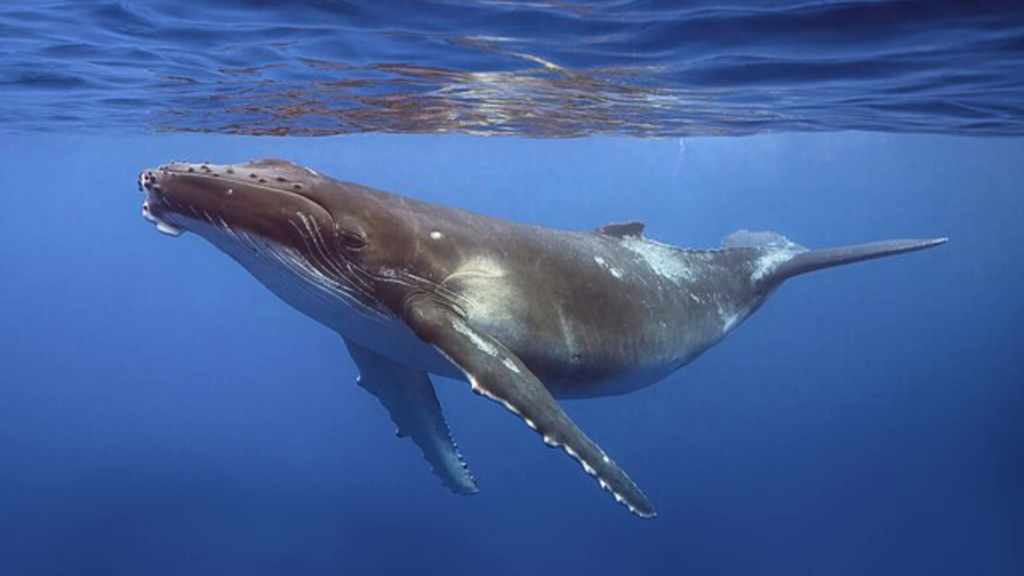
A recently recovered audio recording is offering scientists an unexpected window into the past, revealing how whales once communicated in a vastly different ocean environment. Captured in March 1949 near Bermuda, the sound features the haunting vocalizations of a humpback whale, a species admired for its graceful movements and complex songs. The recording, preserved on outdated equipment, is now considered one of the earliest known examples of whale song ever documented.
What makes this discovery especially meaningful is not only the whale’s voice, but also the acoustic backdrop surrounding it. Researchers note that the ocean soundscape of the late 1940s was significantly quieter than it is today. This contrast provides a rare opportunity to understand how marine life once interacted in an environment largely untouched by modern industrial noise.
The material was uncovered during a digitization effort led by scientists working with archival data. Although the original researchers did not fully understand what they had recorded at the time, their decision to preserve the audio has proven invaluable decades later, allowing new generations of scientists to extract insights that were previously out of reach.
A Quieter Ocean and What it Reveals About Marine Life
The recovered recording offers more than historical curiosity, it serves as a scientific benchmark. By analyzing the differences between past and present ocean noise levels, researchers can better evaluate how human activity has altered marine ecosystems. Increased shipping traffic, sonar use, and industrial operations have contributed to a dramatic rise in underwater noise, reshaping how whales communicate.
Marine scientists emphasize that whales rely heavily on sound for survival. Their vocalizations help them navigate vast distances, locate food, and maintain social connections. In a quieter ocean, these signals could travel farther and more clearly, enabling more effective communication among individuals.
Understanding this shift is critical. By comparing the 1949 recording with modern data, researchers can observe how whales adapt their calls in response to noise pollution. These behavioral changes may hold important clues about the long-term impact of human presence in marine environments.
The Technology Behind an Accidental Discovery

At the time of the original recording, the equipment used was considered advanced, even if it appears rudimentary by today’s standards. Scientists aboard a research vessel were conducting sonar and acoustic experiments when they captured the sound. The recording was stored on a plastic disc created by a Gray Audograph, a format that, unlike magnetic tape, has proven remarkably durable over time.
The survival of this recording is partly due to that medium. While many audio archives from the mid-20th century have deteriorated, this particular disc remained intact, preserving a moment that might otherwise have been lost. The discovery was made during a routine effort to digitize historical materials, highlighting the importance of maintaining and revisiting scientific archives.
Equally notable is the curiosity of the original researchers. Despite uncertainty about what they were hearing, they intentionally minimized noise from their own vessel to capture clearer audio. This deliberate approach allowed them to document not just the whale’s song, but the natural soundscape of the ocean itself.
Why Whale Songs Still Matter Today

Whale vocalizations remain a central focus of marine research because they play a vital role in the lives of these animals. From clicks and whistles to long, patterned songs, these sounds form a complex language that supports navigation, feeding, and social interaction. Among all species, humpback whales are particularly known for their intricate and often emotional-sounding songs.
The rediscovered recording reinforces how essential sound is in the underwater world. It also raises important questions about how ongoing environmental changes may be affecting marine communication. As noise levels continue to rise, understanding these dynamics becomes increasingly urgent.
Ultimately, this decades-old recording does more than preserve a moment in time. It connects past and present, offering a clearer perspective on how oceans have changed and how life within them continues to adapt.
PetsFanatic Team
Pet Care Expert & Content Creator
Passionate about sharing knowledge and tips for better pet care. Writing about everything from pet health to training techniques.