
Young Gray Whale Dies After Swimming 20 Miles Up a Washington State River, Scientists Suspect Hunger As Cause
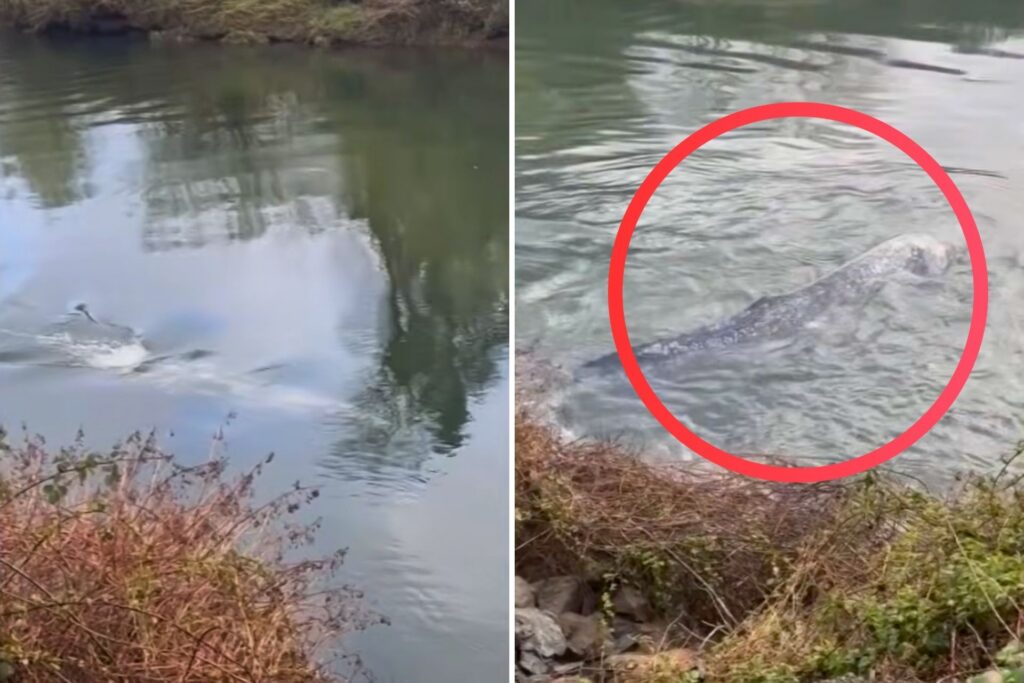
A juvenile gray whale stunned residents in Washington state after swimming roughly 20 miles inland up the Willapa River, an unusual and risky detour for a species that typically stays in coastal waters. The whale, later nicknamed “Willapa Willy” by locals, was first spotted in early April, drawing attention from scientists and onlookers alike.
At the time of the sighting, the whale appeared thin but was otherwise behaving normally, according to researchers from the Cascadia Research Collective. Teams monitored its movements closely, hoping the animal would find its way back to the ocean on its own. Instead, it continued moving farther upriver into increasingly shallow and difficult terrain.
Within days, the situation took a grim turn. Researchers confirmed the whale had died in the river, ending what had become a closely watched and emotionally charged episode for the local community.
Scientists Point to Hunger as a Likely Cause
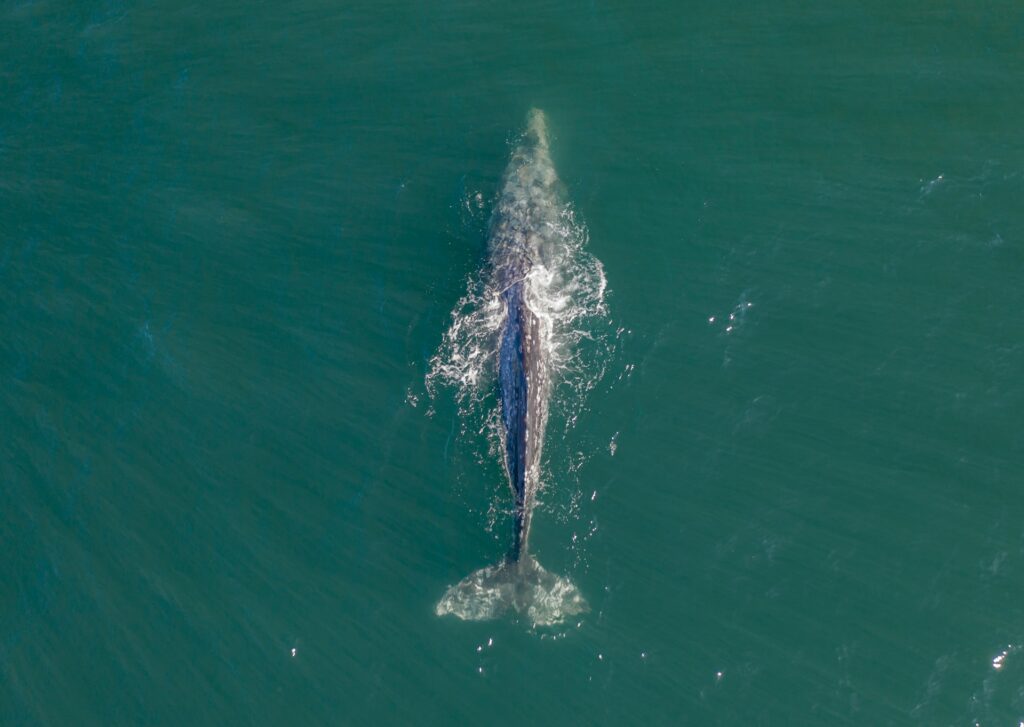
Early findings suggest the whale’s unusual behavior may have been driven by hunger. Marine biologists noted that gray whales are currently in the midst of their long spring migration north, a period when they rely heavily on stored energy reserves after months of limited feeding.
According to research biologist John Calambokidis, whales in this phase sometimes stray into unfamiliar areas in search of food when those reserves run low. In this case, the young whale’s decision to enter a river may have reflected a desperate attempt to find new feeding grounds.
A post-mortem examination later confirmed the whale was severely malnourished, reinforcing the theory that starvation played a central role. Researchers also found internal injuries, though the full extent of contributing factors is still being studied.
A Wider Pattern Along the Coast
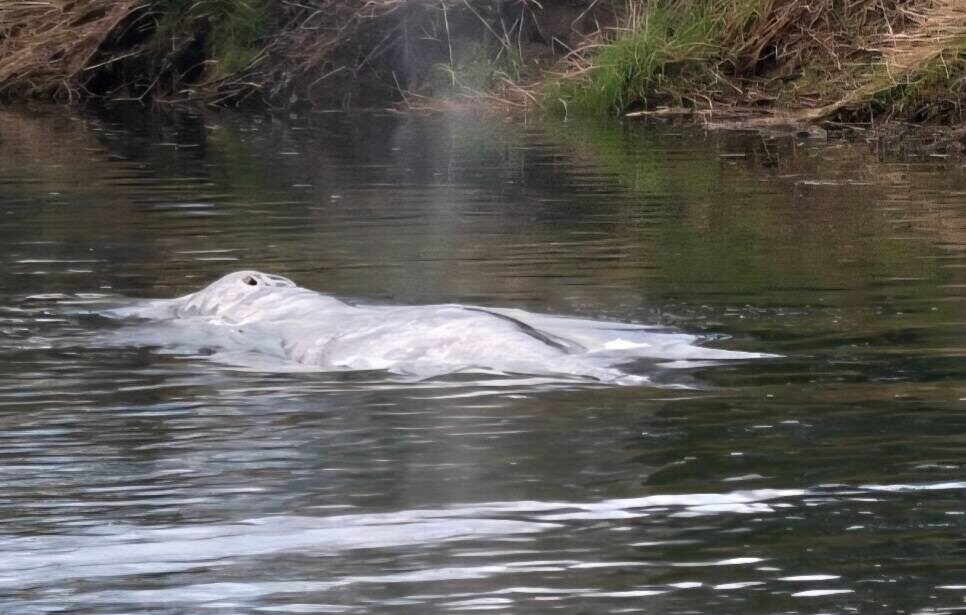
The whale’s death is not an isolated incident. In the same week, at least two additional gray whales were found dead along the Washington coastline, both also showing signs of malnutrition. In one case, a male whale had injuries consistent with a vessel strike, compounding concerns about multiple threats facing the species.
Reports from regional observers suggest an even broader pattern, with several gray whale deaths recorded across the Pacific Northwest in a short span. Some early assessments point to starvation as a common factor, raising alarms among marine scientists about the health of the population.
These events echo previous concerns. Between 2018 and 2023, federal officials documented an “unusual mortality event” involving hundreds of gray whale strandings along the West Coast, linked in part to changing food availability and environmental conditions.
Environmental Pressures and Uncertain Outlook

Gray whales are known for one of the longest migrations of any mammal, traveling up to 10,000 miles annually between breeding grounds in Mexico and feeding areas in the Arctic. This journey depends heavily on reliable food sources, particularly in the Bering and Chukchi seas.
However, scientists say those feeding grounds have become less predictable in recent years. Changes in ocean conditions, including warming waters and shifting ecosystems, may be affecting the availability of prey. When food is scarce, whales can become emaciated, altering their behavior and increasing the risk of stranding or death.
While gray whales in the eastern Pacific once rebounded from near extinction, recent population estimates show signs of decline, with numbers falling to their lowest levels in decades. Against that backdrop, the death of a young whale in an inland river serves as a stark reminder of the pressures facing marine life. As researchers continue to analyze the incident, it adds to growing evidence that broader environmental changes may be reshaping the survival patterns of one of the ocean’s most iconic species.
PetsFanatic Team
Pet Care Expert & Content Creator
Passionate about sharing knowledge and tips for better pet care. Writing about everything from pet health to training techniques.