
Why Science Alone May Not Be Enough to Save the World’s Coral Reefs
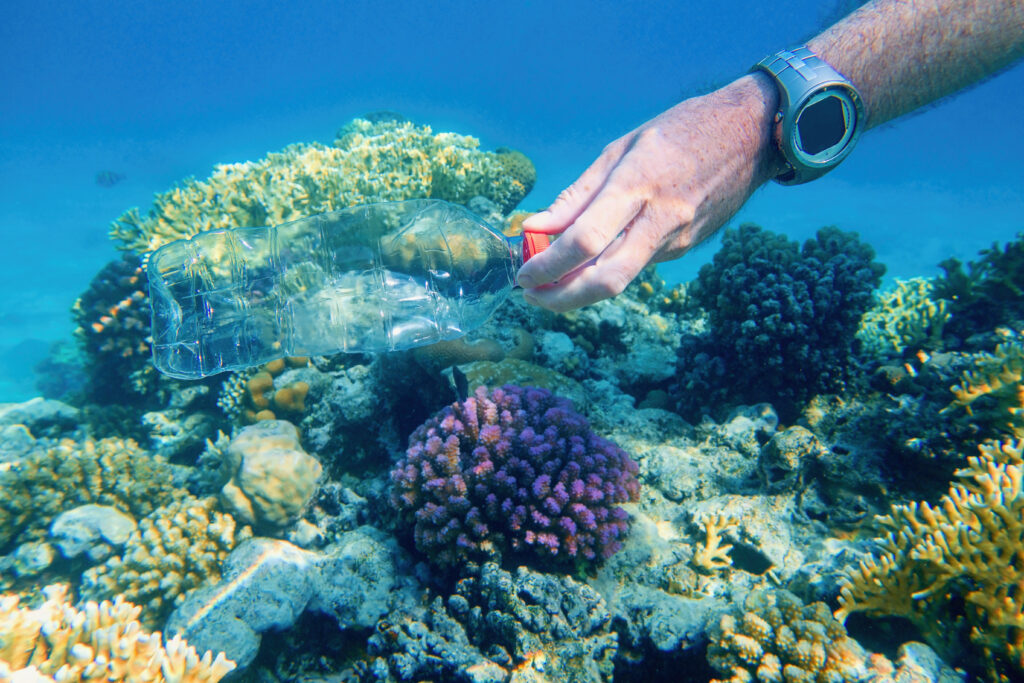
Around the world, scientists are freezing coral sperm, breeding heat-tolerant offspring, and raising endangered corals in laboratories that would have seemed impossible just a decade ago. Yet despite these breakthroughs, coral reefs continue disappearing under the pressure of climate change, pollution, and marine heatwaves. A growing number of researchers now argue that science, while essential, cannot save reefs on its own. Protecting one of Earth’s richest ecosystems will also require political action, public engagement, local communities, and global cooperation.
Coral Reefs Support Far More Than Marine Life
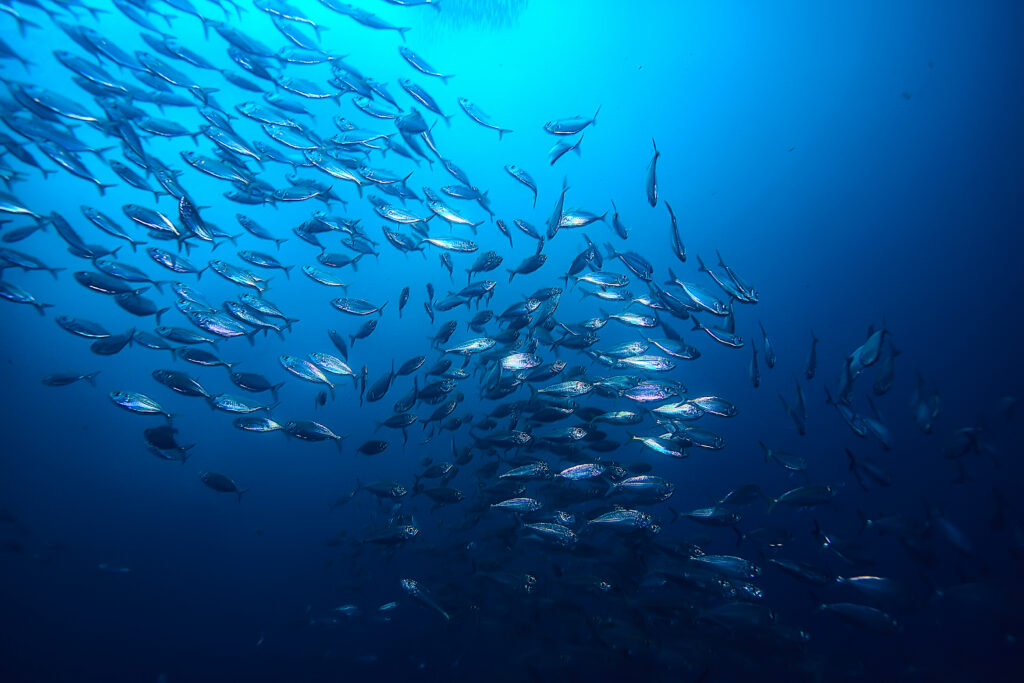
Coral reefs occupy only a tiny fraction of the ocean, yet they support roughly one-quarter of all marine species. Beyond biodiversity, they provide food security, protect coastlines from storms and rising seas, sustain tourism and fisheries, and support the livelihoods and cultural identity of hundreds of millions of people worldwide. As reefs decline, the effects ripple well beyond the ocean, reaching coastal economies and communities across the globe.
Scientists Are Racing to Build More Resilient Corals
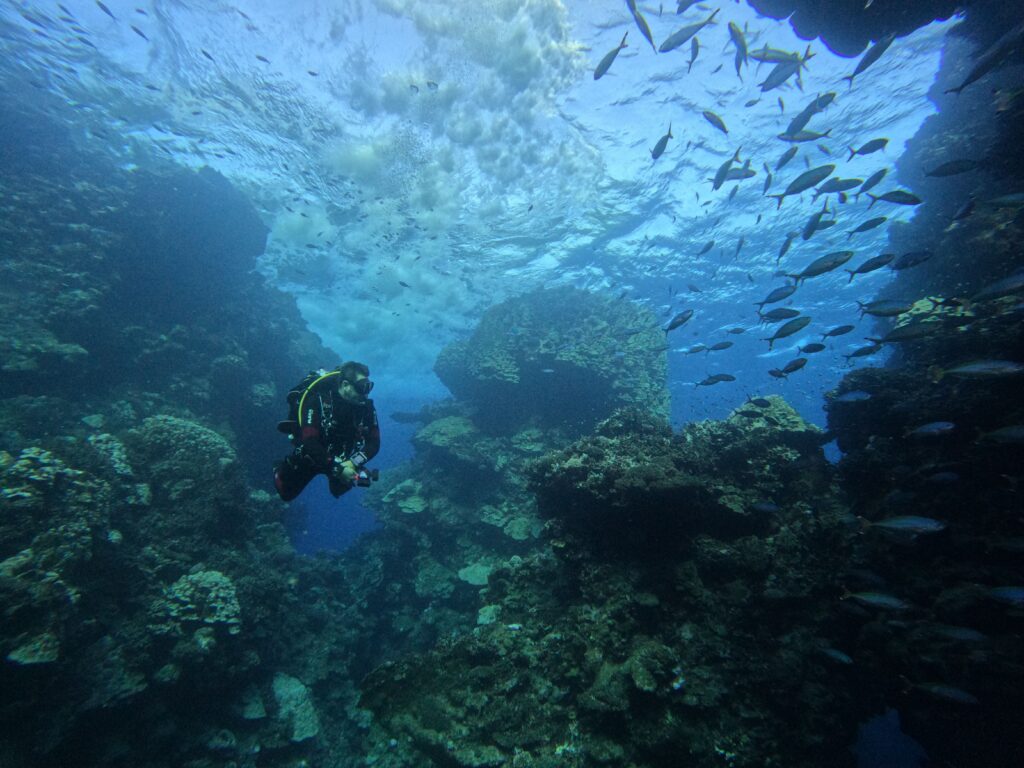
Inside research laboratories, scientists are testing new ways to help reefs survive a warming world. Some teams selectively breed corals with stronger heat tolerance, while others recreate natural spawning events to increase genetic diversity. Researchers are also freezing coral sperm and even entire coral fragments in liquid nitrogen, creating biological “insurance policies” that could preserve vulnerable species for decades. These efforts are expanding the scientific toolbox, but researchers stress they are only one part of the solution.
Florida’s Coral Crisis Changed the Conversation
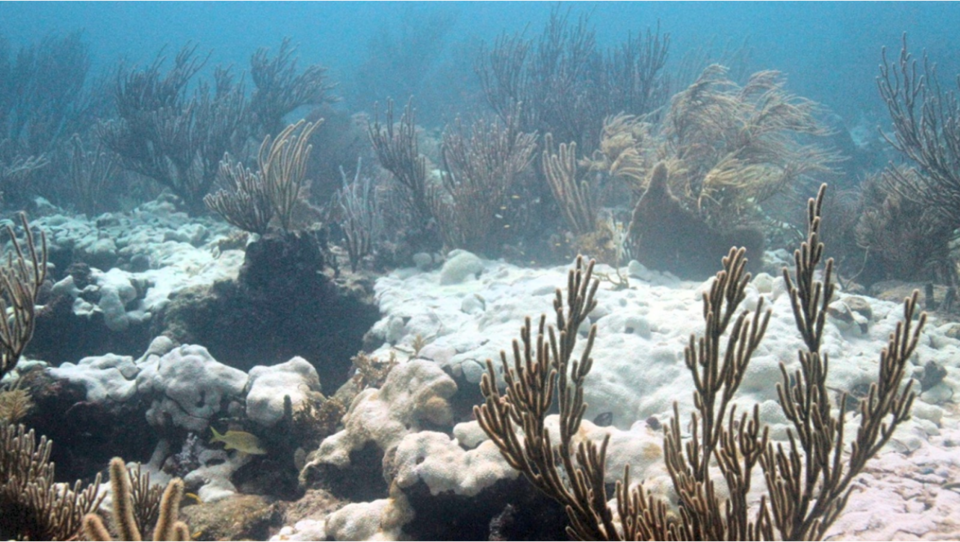
The urgency became impossible to ignore after the record-breaking marine heatwave that struck Florida and the Caribbean in 2023. NOAA’s ambitious $100 million Mission: Iconic Reefs restoration project suffered devastating losses when many transplanted corals bleached or died during unprecedented ocean temperatures. The event forced scientists to reconsider restoration strategies that had guided reef recovery efforts for decades. As one NOAA researcher asked, “Is it responsible to grow these species and then just put them back out to die?”
Restoration Alone Cannot Keep Pace With Climate Change
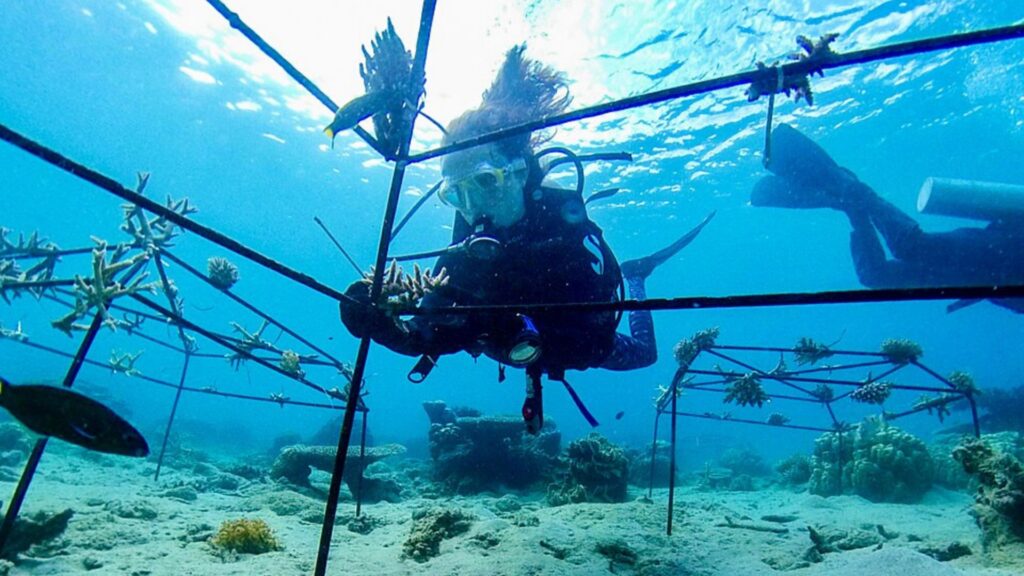
Planting new corals may help damaged reefs recover locally, but recent research suggests it cannot outpace the environmental forces driving reef decline. A Joint Research Centre study found that more than 57% of restored reefs experience bleaching within five years, while restoring just 10% of the world’s degraded reefs would cost at least $1 billion. Without reducing ocean warming, pollution, and other human pressures, many restoration projects risk becoming temporary successes.
Researchers Say Conservation Needs a Bigger Vision
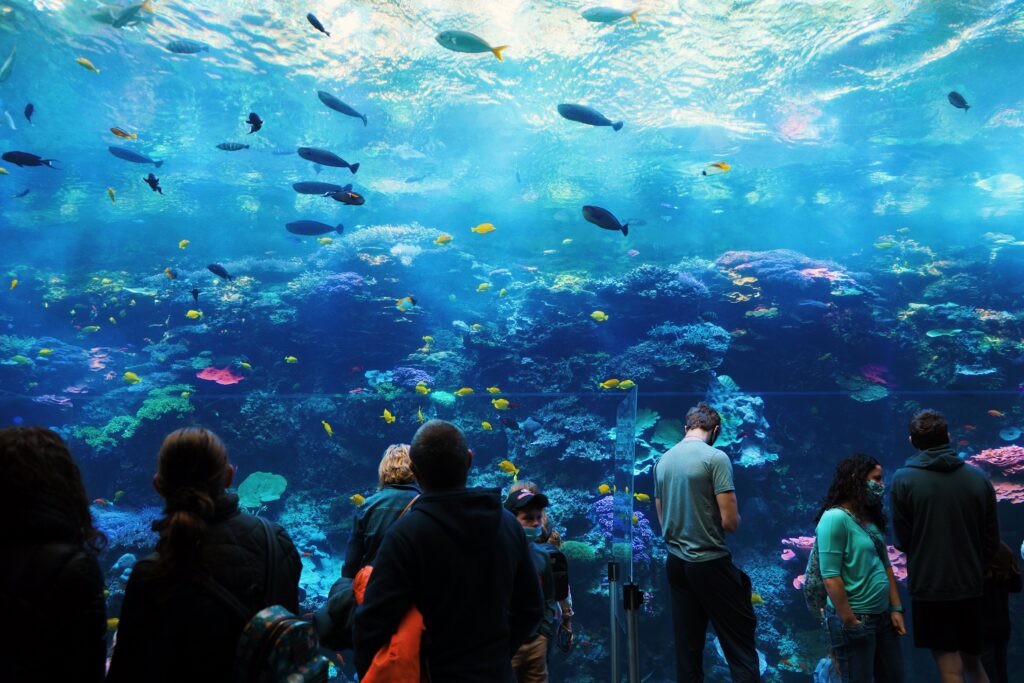
The authors of a new Science Advances paper argue that coral conservation has focused heavily on scientific innovation while overlooking another essential ingredient: people. They say protecting reefs also requires stronger public awareness, cultural engagement, education, and political commitment. Scientific discoveries can explain the crisis, but inspiring communities to care and act often requires different kinds of communication.
That’s Why Scientists Are Partnering With Artists
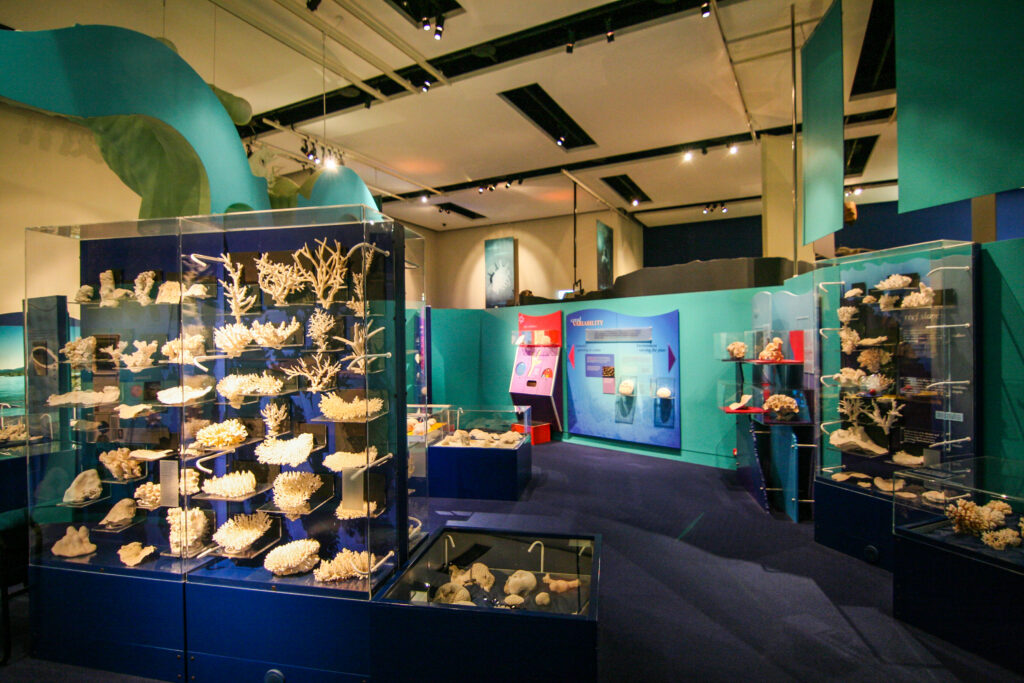
Rather than treating art as decoration, researchers see it as another conservation tool. The new Coral Art-Science Consortium brings together scientists, artists, photographers, designers, educators, and policymakers to communicate reef conservation through exhibitions, documentaries, music, public art, digital storytelling, and educational programs. The goal is to make complex science more accessible while helping people form stronger emotional connections with reefs they may never see in person.
Protecting Reefs Means Tackling the Problems on Land, Too

Researchers emphasize that many threats to coral reefs begin far from the shoreline. Poor wastewater management, agricultural runoff, overfishing, and coastal development all weaken reefs before marine heatwaves arrive. Conservation groups point to proven strategies such as expanding well-managed marine protected areas, building climate-resilient reef networks, reducing land-based pollution, and strengthening international cooperation alongside restoration work.
The Goal Is Not Just to Save Corals, But to Help Them Adapt

Many researchers now believe the future of coral conservation lies in combining multiple approaches. Laboratory breeding can increase genetic diversity, cryopreservation can safeguard species, restoration can rebuild damaged reefs, and smarter conservation policies can reduce the pressures reefs face every day. None of these strategies is likely to succeed alone, but together they may give coral ecosystems a better chance of adapting to a rapidly changing climate.
Saving Coral Reefs May Ultimately Depend on People

The message emerging from scientists is not that science has fallen short. Rather, it has reached a point where its discoveries need broader support to translate into lasting change. Laboratory breakthroughs can buy reefs valuable time, but protecting them for future generations will also depend on governments, educators, artists, coastal communities, and everyday citizens working toward the same goal. The future of coral reefs may be shaped as much by human choices above the water as by scientific innovation beneath it.
PetsFanatic Team
Pet Care Expert & Content Creator
Passionate about sharing knowledge and tips for better pet care. Writing about everything from pet health to training techniques.