
Yellowstone’s Apex Predators Are in Conflict, And One Species Will be Forced to Adapt

In Yellowstone, conflict between predators rarely looks like a fight. It unfolds quietly at feeding sites, where wolves and cougars cross paths after a hunt is already over. Wildlife biologists say these encounters reveal a growing imbalance. One predator is increasingly dictating the terms of survival.
Yellowstone’s History Set the Stage

The roots of this rivalry trace back a century. Wolves were eliminated from Yellowstone by the 1920s, leaving cougars as the dominant large predator for decades. When wolves were reintroduced in 1995, they returned to an ecosystem that had already adapted to their absence. The result was not chaos, but pressure.
Long-Term Data Shows Change Over Time

Researchers compared two major periods, from 1998 to 2005 and from 2016 to 2024. As wolf populations stabilized and expanded, overlap with cougars became routine rather than occasional. Feeding sites turned into recurring points of tension. What emerged was not constant conflict, but constant adjustment.
Packs Hold Ground While Solitary Cats Yield

At shared feeding sites, wolves tend to stay. Their strength lies in numbers, allowing them to posture, surround, and wait. Cougars, hunting alone, face higher risk if they remain. Biologists observed that cats often leave first, trading food access for safety.
Cougar Behavior Is Quietly Rewriting Itself

Cougars have responded not with aggression, but with strategy. They hunt closer to cover, feed faster, and abandon kills sooner. This shift favors deer over larger prey and reduces time spent in exposed areas. Over years, these small decisions accumulate into a new survival pattern.
Wolves Are Expanding Their Menu

As wolves gain confidence at feeding sites, their prey choices have broadened. The study shows bison appearing more frequently in wolf diets during later years. Holding open ground allows packs to exploit larger carcasses. This flexibility reinforces their dominance in shared spaces.
Movement Tracking Reveals the Pressure

The study relied on nine years of GPS collar data. Researchers logged 852 wolf feeding events and 520 cougar feeding events, then confirmed sites in the field. Wolves consistently moved toward cougar kills, while cougars avoided recent wolf activity. The pattern held across seasons and terrain.
Concealment Becomes a Food Strategy
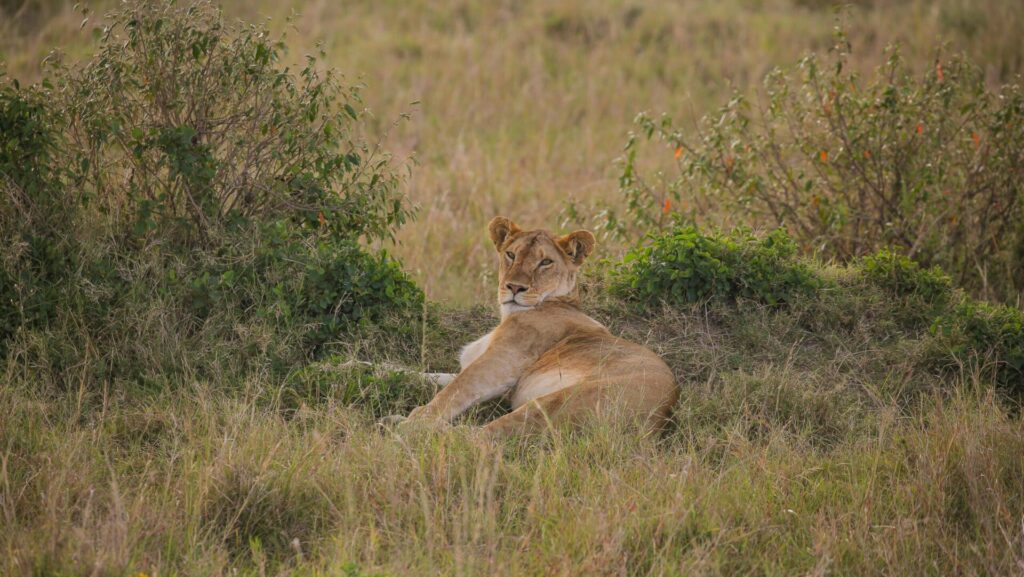
Cougars increasingly treat feeding sites as temporary. They drag prey into brush, feed near trees, or abandon kills early to avoid detection. This behavior protects long-term calorie intake, even if each meal is smaller. Survival favors discretion over dominance.
Escape Terrain Now Shapes Daily Movement

Tracking data shows cougars staying closer to steep slopes, timber, and climbable trees. These features provide quick exits when wolves arrive. It is not a retreat from Yellowstone, but a narrowing of safe space. Every hunt now includes an escape plan.
Pressure Does Not Remove Predators, It Redefines Them
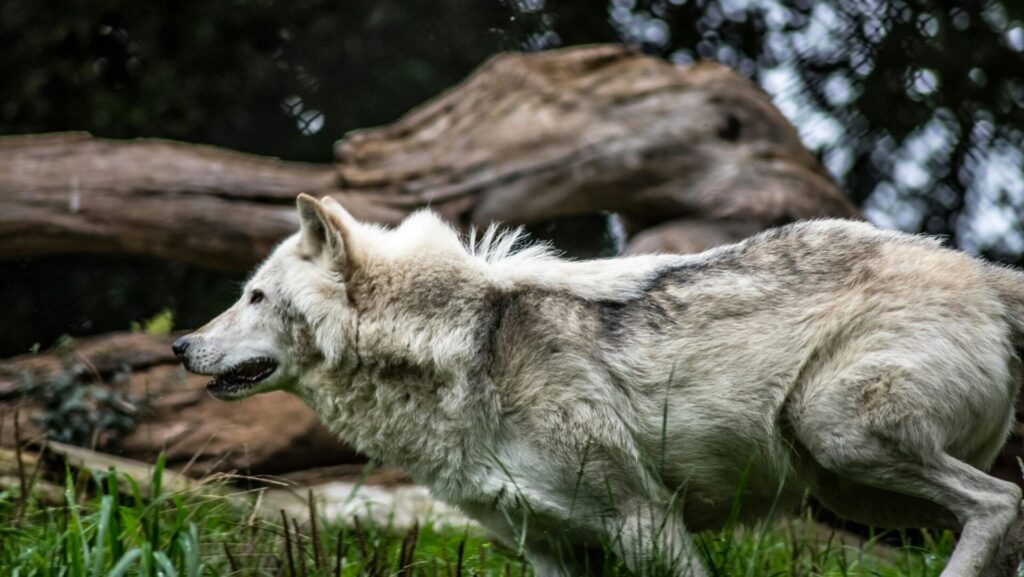
Biologists emphasize that this is not a story of extinction. It is a story of forced flexibility. Wolves and cougars continue to coexist, but power reshapes behavior, diet, and movement. Yellowstone is showing how dominance can quietly redraw an ecosystem, one contested meal at a time.
PetsFanatic Team
Pet Care Expert & Content Creator
Passionate about sharing knowledge and tips for better pet care. Writing about everything from pet health to training techniques.