
Yellowstone Mystery Deepens as Study Suggests Magma Is Closer to Surface
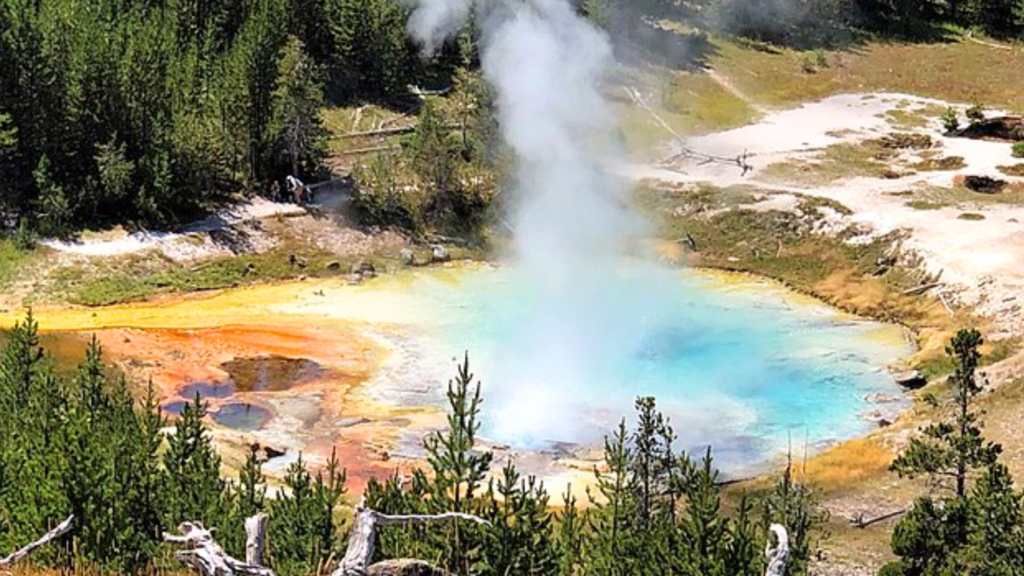
A new scientific study has deepened the mystery surrounding Yellowstone’s massive volcanic system, suggesting that magma may be located closer to the Earth’s surface than previously believed. Researchers have developed a new model showing how magma forms deep underground and then accumulates within shallower layers of the crust. This finding challenges older theories that relied heavily on a deep mantle plume as the primary source. The discovery is reshaping how scientists understand one of the world’s most closely watched supervolcanoes.
A New Understanding of Yellowstone’s Magma System

The study introduces a more comprehensive explanation of how magma systems beneath supervolcanoes form and evolve over time. Instead of a single deep reservoir feeding eruptions, researchers found that magma is generated in the asthenosphere and accumulates within the lithosphere closer to the surface. This layered system helps explain how Yellowstone can remain active for long periods. It also suggests a more complex and dynamic underground structure than previously assumed.
Magma May Be Closer Than Previously Thought

Scientists now believe that significant portions of Yellowstone’s magma system exist at shallower depths than earlier models indicated. These shallow reservoirs are continually replenished by molten material rising from deeper layers. This means that the pathway between deep magma generation and surface activity may be shorter and more direct than once believed. The finding has important implications for how volcanic activity is monitored and understood.
The Role of “Magma Mush” Systems

Rather than existing as a large pool of liquid rock, much of Yellowstone’s magma is believed to exist as a “magma mush,” a mixture of solid crystals and molten material. These mush systems can persist for long periods and only become fully molten under certain conditions before an eruption. The study highlights how these systems are sustained over time through continuous movement and heat from below. This challenges the idea of a single, stable magma chamber.
Tectonic Forces Play a Bigger Role

The research suggests that tectonic processes, rather than just deep mantle plumes, play a major role in shaping Yellowstone’s magma system. Movement within Earth’s crust and upper mantle helps transport molten material upward and distribute it across the region. This tectonic influence provides a new framework for understanding how supervolcanoes operate globally. It also explains why magma may accumulate closer to the surface in certain regions.
What This Means for Eruption Risk

Despite the discovery of shallower magma, scientists emphasize that this does not mean an eruption is imminent. Yellowstone’s volcanic system remains carefully monitored, and current data does not indicate any immediate threat. The presence of shallow magma is part of a long-standing and stable geological process. Experts caution against interpreting the findings as a warning of an upcoming eruption.
A Complex and Active Underground System

Yellowstone’s underground system is far more complex than a single magma chamber, involving multiple interconnected layers of partially molten rock. These layers interact over time, with magma moving upward and cooling, then being replenished again. This continuous cycle helps maintain the region’s geothermal activity, including its famous geysers and hot springs. The study reinforces the idea that Yellowstone is a dynamic and evolving system.
Why Scientists Are Still Investigating

Understanding Yellowstone’s magma system is critical for predicting future volcanic behavior, but many questions remain unanswered. Scientists are using advanced seismic imaging, modeling, and geological analysis to map the underground structure more accurately. Each new discovery adds detail to a system that is still not fully understood. Ongoing research will continue to refine models of how magma moves and accumulates beneath the surface.
Implications for Supervolcanoes Worldwide

The findings from Yellowstone may apply to other supervolcanoes around the world, offering new insights into how these massive systems function. The concept of widespread magma mush systems and tectonic influences could help explain volcanic activity in other regions. This broader understanding could improve global hazard models and risk assessments. It represents a significant step forward in volcanology.
A Mystery That Continues to Evolve
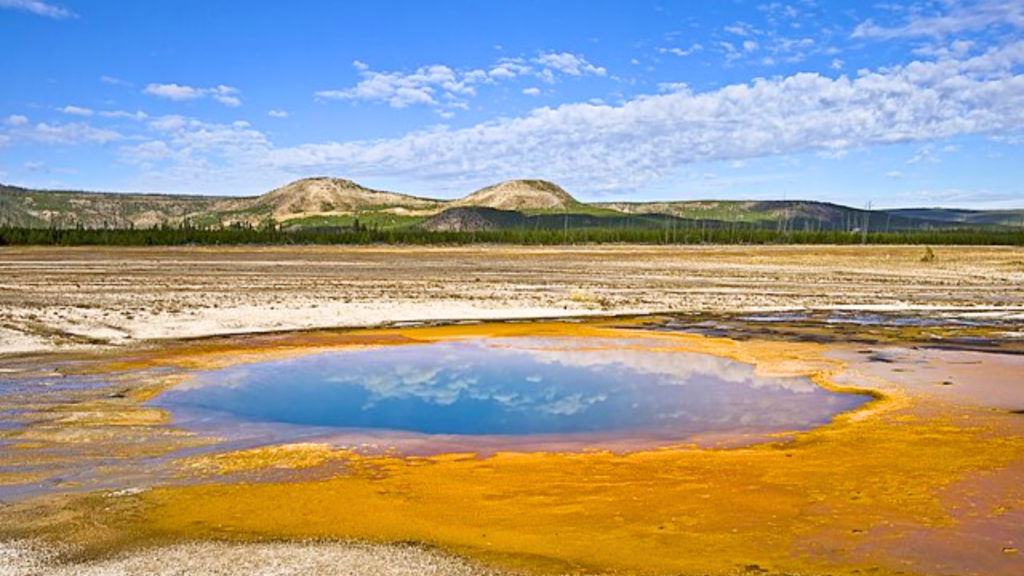
The discovery that Yellowstone’s magma may be closer to the surface than previously thought adds a new layer of complexity to an already fascinating geological system. While the findings do not signal immediate danger, they reshape how scientists understand the inner workings of supervolcanoes. Continued research will be essential to uncover the full picture of what lies beneath Yellowstone. For now, the study serves as a reminder that even well-studied natural wonders still hold surprising secrets.
PetsFanatic Team
Pet Care Expert & Content Creator
Passionate about sharing knowledge and tips for better pet care. Writing about everything from pet health to training techniques.