
Yellowstone Just Had Its Second Hydrothermal Explosion at the Same Spot Since 2024

Just after sunrise on June 13, 2026, visitors in Yellowstone noticed something strange: the Firehole River had turned pale and milky for nearly four miles downstream. The cause traced back to Biscuit Basin, less than 2 miles northwest of Old Faithful, according to ABC News. A small hydrothermal explosion struck Black Diamond Pool, which erupted in July 2024. The Yellowstone Volcano Observatory says it marks the area’s second explosion in under two years.
Monitors Picked Up the First Signs at 5:09 A.M.
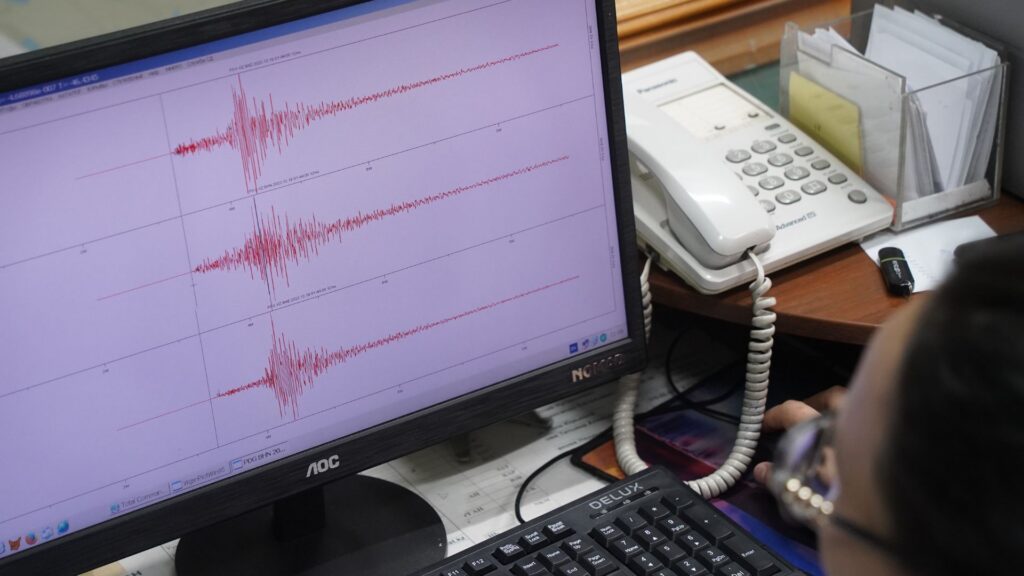
According to the U.S. Geological Survey, monitoring equipment at Biscuit Basin recorded seismic energy and a low-frequency acoustic signal known as infrasound at 5:09 a.m. MDT on June 13. The activity originated from the direction of Black Diamond Pool. Park interpretive staff did not notice anything unusual at the surface until the sun rose higher, well after the underground activity had already begun.
A Camera Caught the Real Source North of the Pool

Yellowstone’s geology team initially wondered whether Black Diamond Pool had erupted again, but a temperature sensor showed only a brief heat blip, not the steep drop typical of the pool’s past eruptions, according to the Yellowstone Volcano Observatory. A monitoring camera installed in May 2025 supplied the real answer, capturing a dark steam plume jetting from the ground north of the pool at 5:09:50 a.m., matching the seismic and infrasound readings almost exactly.
Geologists Found Three New Vents the Next Day

When geologists reached the site the next day, they found three vent groups north of Black Diamond Pool. Each marked a spot where near-boiling water had broken through to the surface and instantly turned to steam, the Yellowstone Volcano Observatory said. Large volumes of that hydrothermal water had surged into the Firehole River, explaining the milky plume seen downstream that morning. The explosion’s source sat a few tens of meters from the pool.
The Largest Crack Stretched More Than 60 Feet

The northernmost vent, farthest from Black Diamond Pool, was a crack about 61 feet long and up to 5 feet wide. It still carried water into the river when geologists arrived. The water measured 90 degrees Celsius (194 Fahrenheit), near the local boiling point of 93 degrees (200 Fahrenheit) at that elevation. Ejected rocks littered the area, but none traveled more than a few yards, indicating far less energy than the 2024 blast, USGS said.
The Explosion Left Two More Vent Groups Behind

A middle group of five smaller vents flowed briefly before settling into steady steaming, still measuring around 85 degrees Celsius (185 degrees Fahrenheit) a day later, park geologists found. Farther south and closer to the pool, a 49-foot fissure had sent water and sediment into the river before its flow stopped within hours, though 89-degree Celsius (192-degree Fahrenheit) water lingered in the fractured rock around it, the USGS said.
A New Boiling Pool Appeared Within Days

Two days after the explosion, geologists returned to find a new pool where solid ground had been on their earlier visit. The 21-by-17-foot pool churned with gray, silty water, and steam bubbles bursting beneath the surface created a thumping sound that caught the team off guard. Because no debris ringed the feature, researchers concluded it had formed from a ground collapse rather than a separate explosion.
Cameras Later Caught the Pool Spouting Like a Geyser

Camera footage from June 18 showed the new pool spouting intermittently to heights estimated between 20 and 30 feet, behaving almost like a geyser before settling back into vigorous boiling. No one was hurt by the spouting or by the original explosion, largely because Biscuit Basin has remained closed to visitors since the 2024 event, according to the Yellowstone Volcano Observatory.
The Area Has a Long History of Sudden Explosions

Explosions are nothing new for this corner of Yellowstone, where Black Diamond Pool and its surroundings have a documented history stretching back more than a century. Elsewhere in the park, smaller blasts have hit Porkchop Geyser in 1989, Wall Pool in Biscuit Basin in 2009, and, in a separate incident, Norris Geyser Basin’s Porcelain Terrace in April 2024. The USGS says hydrothermal explosions strike Yellowstone one to a few times in a typical year.
This Explosion Could Help Scientists Spot Warning Signs

The June 13 explosion struck about 328 feet from a monitoring station installed in the basin during the summer of 2025, closer than any hydrothermal explosion has ever occurred to such equipment. Yellowstone Volcano Observatory scientists have added temporary seismic stations nearby and plan to spend weeks reviewing the data for early warning signs. If precursors exist, researchers say, this event offers an unprecedented chance to find them.
PetsFanatic Team
Pet Care Expert & Content Creator
Passionate about sharing knowledge and tips for better pet care. Writing about everything from pet health to training techniques.