
World Bank Predicted Escalating Climate Change Could Displace 216 Million People. Are We Already Seeing the Signs?
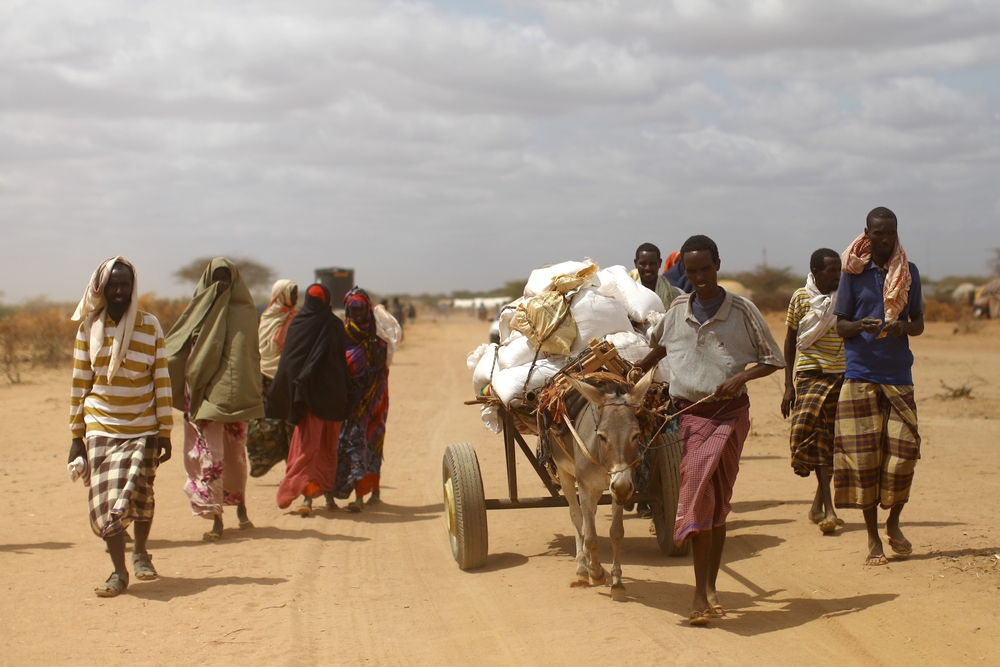
When the World Bank warned that climate change could force 216 million people to migrate within their own countries by 2050, the figure was widely discussed as a projection tied to future environmental decline. But in 2026, the conversation around climate migration is increasingly shifting from prediction to observation. Around the world, extreme weather events, rising seas, drought and resource shortages are already disrupting livelihoods and pushing people away from homes that have become difficult, or impossible, to sustain.
The scale of displacement linked to climate disasters has accelerated sharply in recent years. According to United Nations data cited in multiple international reports, climate-related disasters displaced roughly 250 million people globally over the past decade. While many of those movements were temporary, humanitarian agencies say repeated disasters are creating cycles of instability that make long-term return increasingly difficult for vulnerable communities.
What distinguishes climate migration from traditional migration patterns is that environmental pressures often compound existing economic and political fragility. In many regions, climate stress is worsening food insecurity, reducing access to water and intensifying competition over shrinking resources. Experts increasingly describe climate change not as a standalone cause of displacement, but as a multiplier that deepens existing inequalities and accelerates social disruption.
The result is a growing recognition among policymakers, economists and aid organizations that climate migration is no longer a distant theoretical scenario. Instead, it is emerging as one of the defining humanitarian and geopolitical challenges of the coming decades.
The Regions Most Vulnerable Are Already Under Pressure
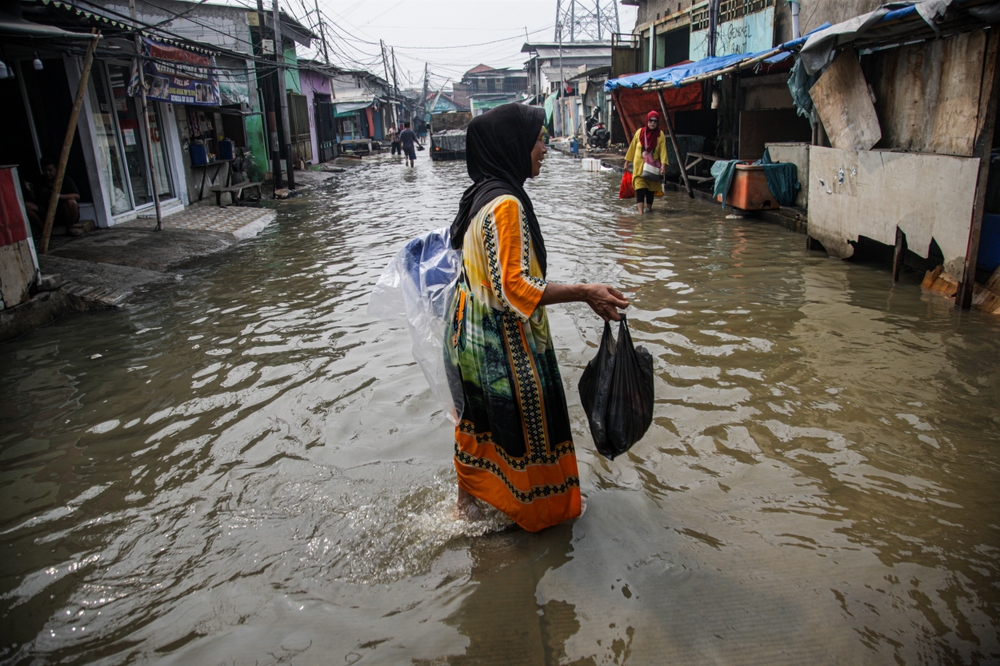
The World Bank’s Groundswell report identified several regions where internal climate migration is expected to rise most sharply, including Sub-Saharan Africa, South Asia, Latin America, North Africa and Eastern Europe. These areas face overlapping risks from drought, declining agricultural productivity, water scarcity and coastal flooding, all of which threaten livelihoods for millions of people.
In parts of Sub-Saharan Africa, prolonged droughts and desertification are already undermining farming and pastoral economies that depend heavily on stable rainfall. Communities that once survived seasonal fluctuations are now facing repeated crop failures and livestock losses. Humanitarian organizations say these pressures are contributing to growing migration toward urban areas that are themselves struggling with infrastructure strain and economic inequality.
South Asia faces a different but equally severe set of risks. Rising sea levels, stronger cyclones and extreme heat are threatening densely populated coastal regions where millions rely on agriculture and fishing. Bangladesh, often cited in climate migration discussions, continues to confront the prospect of significant population displacement as saltwater intrusion damages farmland and flooding becomes more frequent. Similar concerns are emerging across parts of India and Pakistan, where heat waves and water shortages are intensifying pressure on both rural and urban populations.
In Latin America, changing rainfall patterns and prolonged drought conditions have contributed to agricultural decline in some regions, particularly in parts of Central America’s “Dry Corridor.” Researchers and aid groups have increasingly linked environmental instability to migration pressures already shaped by poverty, violence and economic insecurity. Climate factors are rarely the sole reason people leave, but they are becoming harder to separate from broader migration trends.
Refugee Systems Are Struggling to Adapt
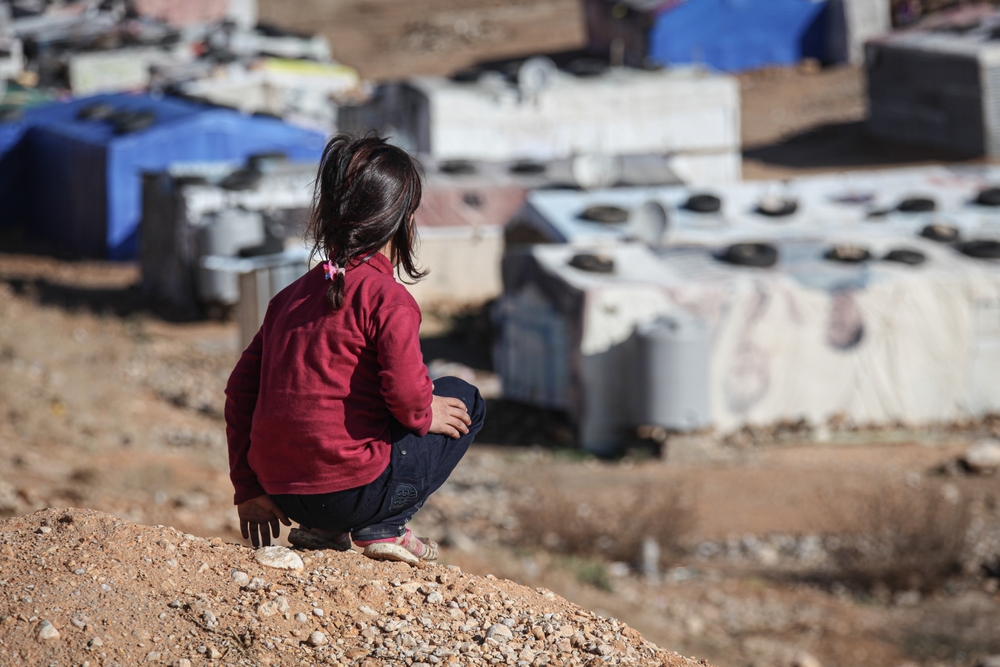
One of the central challenges in responding to climate displacement is that international legal systems were not designed to address it. Under current international law, people displaced solely by climate-related factors generally do not qualify as refugees unless they also face persecution tied to race, religion, nationality, political opinion or membership in a particular social group.
That legal gap has left millions of climate-affected people in uncertain territory. Humanitarian agencies increasingly use terms such as “climate migrants” or “environmentally displaced persons,” but those categories carry limited formal protections under international refugee frameworks. As climate-related disasters become more frequent, pressure is growing on governments and international organizations to reconsider how displacement protections are defined.
Aid groups also warn that climate displacement often unfolds differently from traditional refugee crises. Instead of one sudden event prompting mass cross-border movement, climate migration is frequently gradual and internal. Families may relocate repeatedly after floods, droughts or storms erode their ability to recover economically. Urban migration has become one of the most visible outcomes, with many people moving from rural areas into already overcrowded cities in search of work and stability.
The strain on humanitarian systems is becoming increasingly apparent. Relief organizations report that disaster response operations are becoming more frequent, more expensive and more prolonged. In many regions, rebuilding efforts are repeatedly interrupted by new disasters before communities fully recover from previous ones.
Climate Migration Is Reshaping Policy Debates Worldwide
As evidence of climate-linked displacement grows, governments are beginning to treat migration as part of broader climate adaptation planning rather than solely a humanitarian issue. The World Bank has argued that aggressive emissions reductions, resilient infrastructure investment and inclusive economic development could significantly reduce future displacement levels. Without those interventions, however, migration pressures are expected to intensify as environmental conditions worsen.
Some policymakers now view managed migration as a necessary adaptation strategy rather than a policy failure. In vulnerable coastal areas, governments are exploring relocation programs, infrastructure redesign and land-use planning intended to reduce future displacement risks. Yet those efforts remain politically sensitive, particularly when they involve relocating entire communities or acknowledging that some areas may become uninhabitable over time.
Public perception is evolving as climate disasters become more visible in wealthier countries as well. Wildfires, floods and extreme heat events across North America and Europe have broadened awareness that climate instability is not confined to developing nations. In 2026, climate change is increasingly discussed not only as an environmental issue, but as a force reshaping economies, housing markets, insurance systems and population movement itself.
The World Bank’s warning about 216 million potential climate migrants by mid-century was once viewed by some as an alarming forecast designed to spur action. Today, many researchers argue the early stages of that transformation are already unfolding. The debate is no longer centered solely on whether climate migration will happen, but on how societies will respond as environmental pressures continue to redraw where and how people can live.
PetsFanatic Team
Pet Care Expert & Content Creator
Passionate about sharing knowledge and tips for better pet care. Writing about everything from pet health to training techniques.