
Woman Spent $25,000 to Clone Her Cat and Doesn’t Regret a Thing

When a beloved pet dies suddenly, grief can make you do things that seem impossible to explain to anyone who hasn’t been there. For Austin-based social media manager Kelly Anderson, that grief turned into a decision most people only hear about when celebrities do it: she paid $25,000 to clone her Ragdoll cat, Chai. Years later, she says it wasn’t a mistake, it wasn’t a weird impulse, and it definitely wasn’t about “bringing Chai back.” It was about carrying a piece of her forward.
She Didn’t Clone a Cat Because She’s Rich

Anderson makes a point that surprises people right away: she isn’t famous, and she isn’t wealthy. She took out a loan to afford the cloning cost, which is roughly what companies like ViaGen currently charge for cat cloning. That detail changes the framing. Pet cloning isn’t a billionaire hobby anymore, it’s a choice that regular people can make if they’re willing to sacrifice financially.
Chai Wasn’t “Just a Pet” in Her Life Story

Chai came into Anderson’s life during college, when she was struggling with depression and mental health issues. She describes Chai as unusually tuned in to her emotions; quiet, not overly cuddly, but always showing up when comfort mattered most. If you’ve ever had a pet that felt like a lifeline, you get why someone would want to preserve something of that bond. But it also raises a hard question: is cloning love… or is it grief refusing to let go?
The Death That Changed Everything
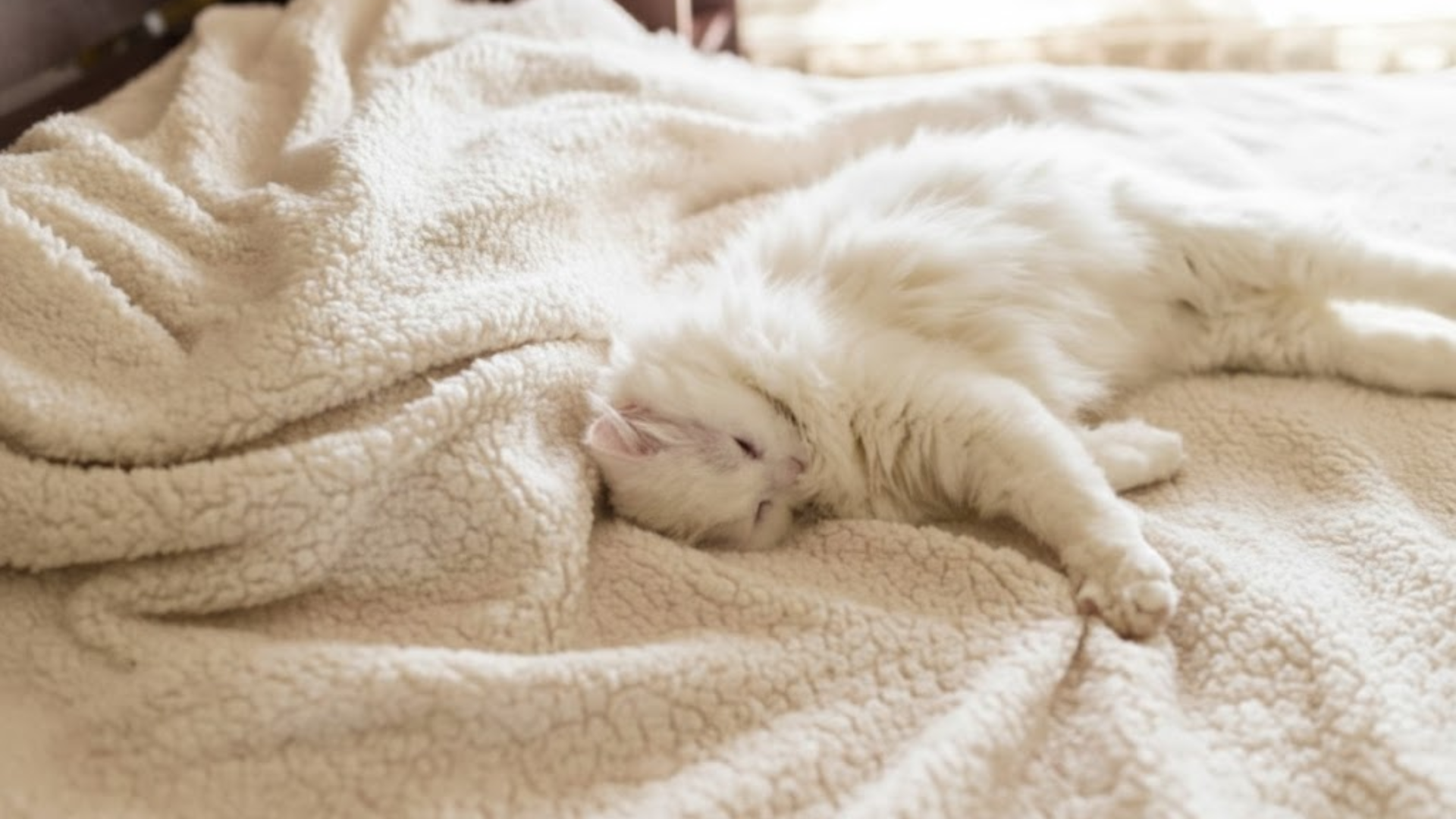
Chai died in a way that still feels brutal because it was so preventable. While under a sitter’s care, she swallowed a bit of plastic from a food wrapper. Surgery removed it, but she had a bad reaction to anesthesia and died right after. Anderson went to pick her up and instead got the news no owner is ready for. That kind of sudden loss can create a “rewind time” feeling, like your brain can’t accept the finality. Some people adopt again. Some don’t. Anderson went somewhere else entirely.
What’s Pet Cloning?

Cloning today uses a process called somatic cell nuclear transfer (SCNT): scientists take DNA from a tissue sample, insert it into an egg cell, and implant the embryo into a surrogate. Important part: cloning produces a genetic twin, not a carbon copy. Same DNA, but a different life, environment, and personality. Anderson understood that from the start. So no, this isn’t resurrection. It’s more like saving a blueprint, and letting a new version build its own house.
The Part People Don’t Expect: It Took Four Years

Anderson thought she’d meet the clone within months. Instead, degraded tissue samples slowed the process, and it took four years before the kitten—Belle—was born. That wait matters. If this was a grief impulse, it had four years to cool off. It didn’t. That’s one reason she says she’s at peace with the choice.
Meeting Belle Wasn’t a Chai “Reunion”

When Belle finally arrived, Anderson describes a surprising emotional truth: she wasn’t overwhelmed with memories of Chai in that moment. She was focused on the real kitten in front of her; tiny, new, alive, and unfamiliar.
Same Face, Different Soul?
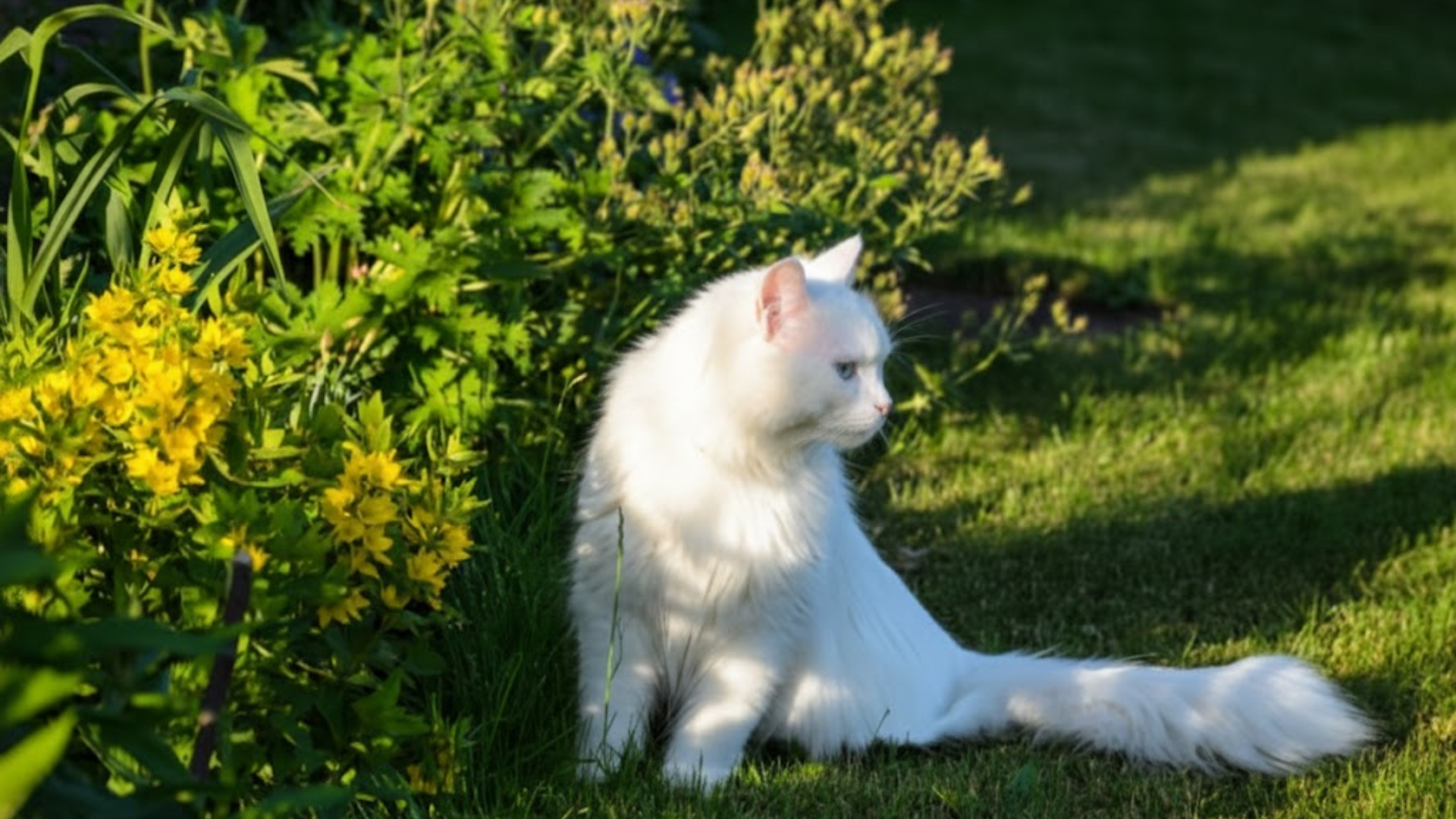
Belle looks almost identical to Chai. But Anderson says the similarities are more nuanced than people expect. Belle shares a few emotional behaviors; like sensing anxiety and offering comfort, but she’s also bolder and more social, partly because Anderson raised her differently.
The Ethics Fight Isn’t Going Away

Critics ask why she didn’t adopt a shelter cat or donate $25,000 to rescue efforts. Anderson says she understands the discomfort, but she trusted the cloning process and wanted to carry on Chai’s legacy in a way that felt meaningful to her. There are also welfare concerns around cloning—SCNT can involve multiple embryos and surrogates before a successful birth, and success rates vary.
Conclusion

Kelly Anderson’s cloned cat, Belle, didn’t replace Chai. She expanded the story Chai left behind. For Anderson, $25,000 wasn’t a price tag on grief, it was a commitment to memory, science, and a bond she says saved her once already. But if you had the chance to keep a piece of your pet’s DNA alive, would that feel like healing… or like holding on too tightly?
PetsFanatic Team
Pet Care Expert & Content Creator
Passionate about sharing knowledge and tips for better pet care. Writing about everything from pet health to training techniques.