
Wolf Harvest Reduced in Wyoming Amid Ongoing Disease Concerns

A disease outbreak that quietly spread through wolf packs near Yellowstone National Park has pushed Wyoming’s wolf population to its lowest level in two decades, forcing state wildlife officials to dramatically reduce planned wolf harvest limits for 2026. What began as a troubling season for wolf pups has now evolved into a broader test of how the state balances predator management, conservation obligations, and pressure from hunters and ranching communities.
Canine Distemper Emerged as the Primary Threat

Wyoming biologists say canine distemper was the leading cause behind the sharp decline in wolf numbers during 2025. The contagious virus, which resembles measles in canines, spreads rapidly among packs and is especially dangerous for young pups. According to Wyoming Game and Fish Department wolf biologist Ken Mills, distemper was detected in 64% of wolves captured in the state’s trophy game management area, the region surrounding Yellowstone where regulated hunting occurs. Adult wolves can sometimes survive infection, but pups rarely do.
Pup Survival Collapsed Across the Region

The disease outbreak had its greatest impact on reproduction. Wildlife officials documented 87 wolf pups born in Wyoming during 2025, but only an estimated 31 to 34 survived to the end of the year, leaving pup survival rates at roughly 37%. Yellowstone National Park also recorded only 17 surviving pups, the lowest figure seen since wolves were reintroduced in the mid-1990s. Biologists described the outbreak as “synchronous” across both Wyoming and Yellowstone, suggesting the virus spread widely through interconnected packs.
Wyoming’s Wolf Population Fell Faster Than Expected

By the close of 2025, Wyoming counted an estimated 253 wolves and 14 breeding pairs statewide, down from 330 wolves and 24 breeding pairs a year earlier. That represented a 23% decline in total wolf numbers and a 42% decline in breeding pairs. While the chart above reflects wolf population trends through 2022 based on National Park Service monitoring data, it also shows how wolf numbers have historically fluctuated since reintroduction in 1995. Wildlife managers say the latest decline stands out because canine distemper caused an unusually sharp drop in pup survival across multiple packs at the same time.
The State Responded by Slashing Hunt Limits
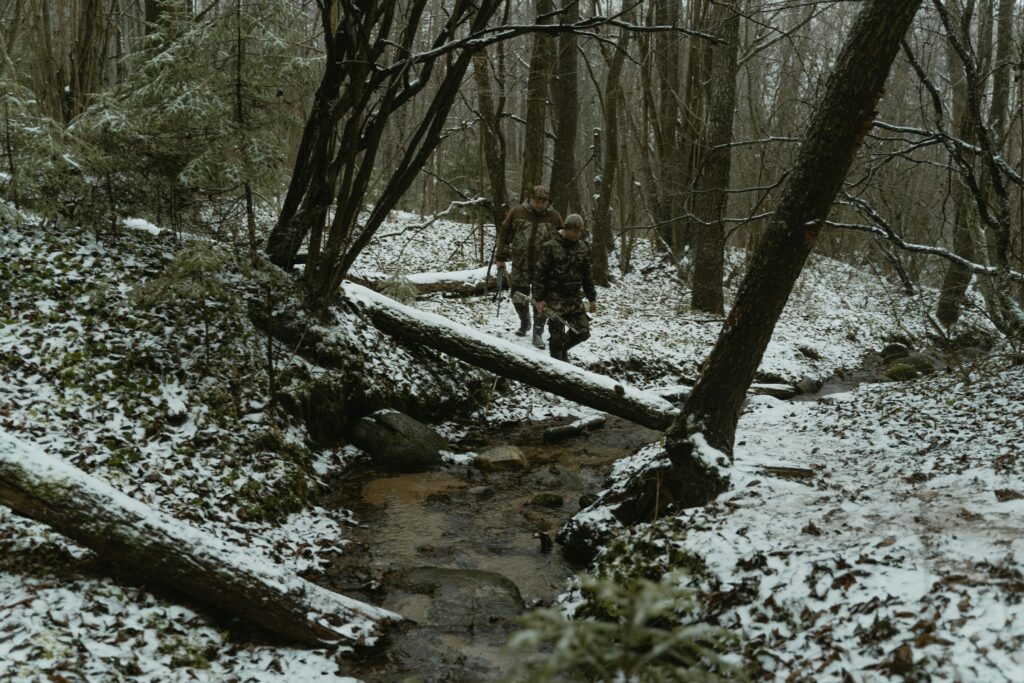
In response to the decline, Wyoming wildlife managers proposed cutting the wolf mortality limit in half for the 2026 hunting season. The proposed cap of 22 wolves would be the smallest since wolves were removed from Endangered Species Act protection in Wyoming in 2012. Last year’s cap allowed up to 44 wolves to be harvested in the trophy game area surrounding Yellowstone. Hunters ultimately killed 31 wolves during that season.
Yellowstone Remains at the Center of the Conflict

The sharpest reductions are being proposed in areas closest to Yellowstone National Park, where wolf populations suffered the largest declines. In hunting units stretching from Jackson Hole into the Green River Basin, proposed harvest limits would fall from 19 wolves to just six. Officials say the reductions are designed to help the population recover toward the state’s target of 160 wolves in the trophy game area.
Wyoming’s Wolf Rules Remain Deeply Divisive

Wolf management in Wyoming continues to divide residents, conservationists, ranchers, and hunting groups. In the designated trophy game area, wolves are managed under quotas and regulated seasons. Outside that zone, however, wolves are legally classified as predators across roughly 85% of the state and can be killed year-round without harvest limits. Critics argue those policies create excessive pressure on recovering wolf populations, while supporters say they are necessary to protect livestock and maintain elk populations.
Biologists Say Recovery Is Still Possible

Despite the steep decline, Wyoming officials maintain that the population remains above federally required recovery thresholds established when wolves were delisted. The state still recorded 10 breeding pairs in the trophy game area, which meets the minimum benchmark agreed upon with the U.S. Fish and Wildlife Service. Mills said Wyoming intentionally set higher wolf objectives to absorb events like disease outbreaks without falling below federal recovery standards.
Scientists Are Watching for Long-Term Patterns
Researchers are now trying to determine whether Wyoming’s outbreak reflects a cyclical disease pattern or signals changing ecological pressures. Previous distemper flare-ups were usually associated with larger wolf populations, but the 2025 outbreak occurred even as wolf numbers were comparatively moderate. Mills suggested the disease could follow roughly eight-year cycles, though scientists say more long-term data is needed before firm conclusions can be drawn.
The Next Decisions Could Shape the Region’s Wolf Future

Public meetings and regulatory reviews scheduled throughout 2026 will determine whether Wyoming formally adopts the lower hunting quotas and how aggressively the state tries to rebuild wolf numbers near Yellowstone. The debate is likely to intensify as officials weigh recovery goals against hunting interests and livestock concerns. For now, the disease outbreak has changed the conversation from controlling wolf growth to preventing another sharp collapse in one of the most closely watched predator populations in North America.
PetsFanatic Team
Pet Care Expert & Content Creator
Passionate about sharing knowledge and tips for better pet care. Writing about everything from pet health to training techniques.