
Why You Don’t See Great White Sharks in Aquariums

Sharks glide through aquariums everywhere, but you’ll never see a great white circling the tank. They’re one of the most recognized ocean predators, yet aquariums don’t keep them on display. People often ask why, since aquariums hold everything from whale sharks to stingrays. The answer has less to do with their size and more to do with how they live. Their unique needs make them different from other sharks you’ve probably spotted behind the glass.
Great White Sharks Require Constant Movement

Great white sharks never stop swimming, and that’s what keeps water moving over their gills so they can breathe. They don’t hang around in one spot or rest the way other fish might. In an aquarium, that nonstop motion becomes hard to manage, since a tank can only give them so much space. They’re built for wide stretches of open ocean, so confining them limits their ability to move the way they need to.
Large Habitat Needs Challenges
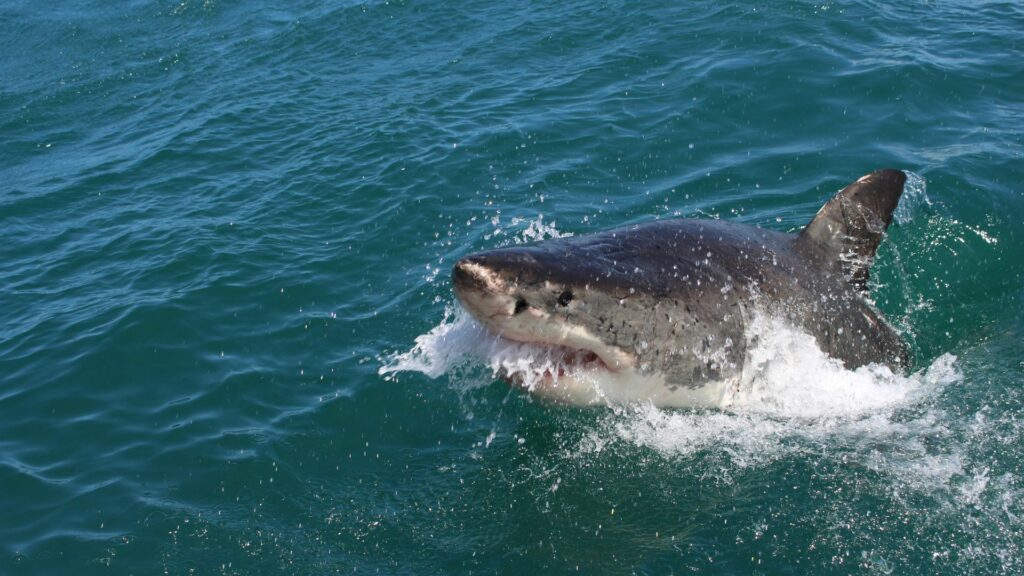
Great white sharks roam across miles of open ocean, so they’re used to having enormous space around them. Tanks can only stretch so far, and that makes it hard to copy the freedom they get in the sea. They need room to swim long distances without bumping into walls, and aquariums just can’t match that. The ocean gives them endless space, and trying to recreate that indoors quickly shows why housing them isn’t so simple.
Reluctance to Eat Non-Live Prey

Great white sharks hunt by chasing down live prey, so offering them frozen fish in a tank doesn’t work well. They’re wired to go after movement, and that instinct makes feeding them in captivity a struggle. Aquariums have tried, but the sharks often refuse food when it’s not alive. They just don’t adapt the way other sharks might, and without steady feeding, keeping them healthy becomes almost impossible in an enclosed setting.
Stress from Artificial Aquarium Environment
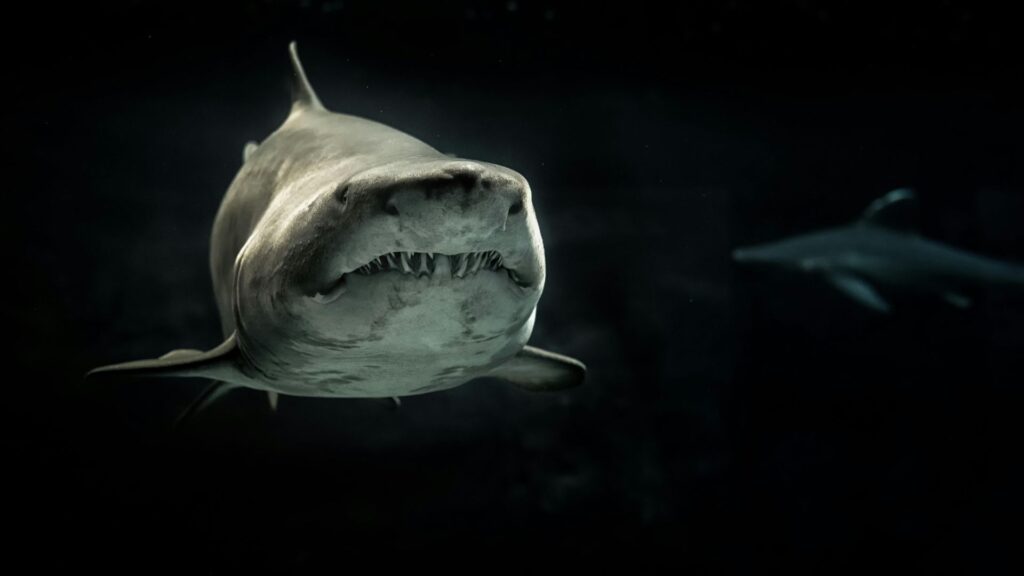
Great white sharks don’t handle enclosed spaces well, so aquariums often trigger stress for them. They’re used to steady currents, shifting light, and the vast ocean around them. A tank just can’t recreate that natural rhythm, and the sharks sense the difference right away. Stress shows up in how they swim, feed, and interact. They may even injure themselves when they collide with walls, which makes it difficult for them to settle into artificial surroundings.
Past Aquarium Attempts and Failures

Aquariums have tried housing great white sharks before, but the results didn’t last long. Some survived only a few days, while others made it a few months before being released or passing away. The sharks often stopped eating and showed stress quickly. Staff worked hard to keep them stable, but the conditions never matched the ocean. So those short-lived attempts proved how difficult it is to keep great white sharks in captivity for any length of time.
Ethical Concerns of Captivity

Keeping great white sharks in tanks raises ethical questions, since their survival rate in captivity has been so poor. Many people feel it isn’t fair to confine an animal built for the open sea into a glass enclosure. Stress, feeding struggles, and injuries only add to those concerns. So aquariums often choose to avoid displaying them, focusing instead on education and conservation efforts that let the sharks remain in their natural habitat, where they thrive.
Impact on Shark Behavior and Health

Great white sharks react differently when confined, so their behavior often changes in unhealthy ways. They may stop feeding, circle endlessly, or crash into tank walls. Stress also weakens their health, making it harder for them to survive outside their natural setting. Aquariums have seen these effects firsthand during past attempts, and the pattern repeats quickly. The sharks simply don’t adjust to artificial conditions, which makes keeping them in good shape nearly impossible indoors.
Focus on Conservation in Natural Habitats

Aquariums now focus more on teaching visitors about great white sharks in ways that don’t involve keeping them in tanks. Conservation groups also track the sharks in the ocean, so people can follow their movements through apps and research updates. It gives the public a way to connect with the species without harming them. Supporting studies in their natural environment just makes more sense, since that’s where they live best and continue to thrive.
Why You’ll Keep Seeing Great Whites in the Ocean

Great white sharks simply aren’t fit for aquariums, and that’s why they stay out in the open sea. Their constant need to swim, their hunting habits, and the stress of confinement all show why tanks don’t work for them. So if you want to see one, the best way is through research programs, documentaries, or tracking apps that follow their movements. You’ll always find them where they belong, swimming freely in their natural ocean home.
PetsFanatic Team
Pet Care Expert & Content Creator
Passionate about sharing knowledge and tips for better pet care. Writing about everything from pet health to training techniques.