
Why Ticks Exist and How They Are a Fatal Foe for Your Pet
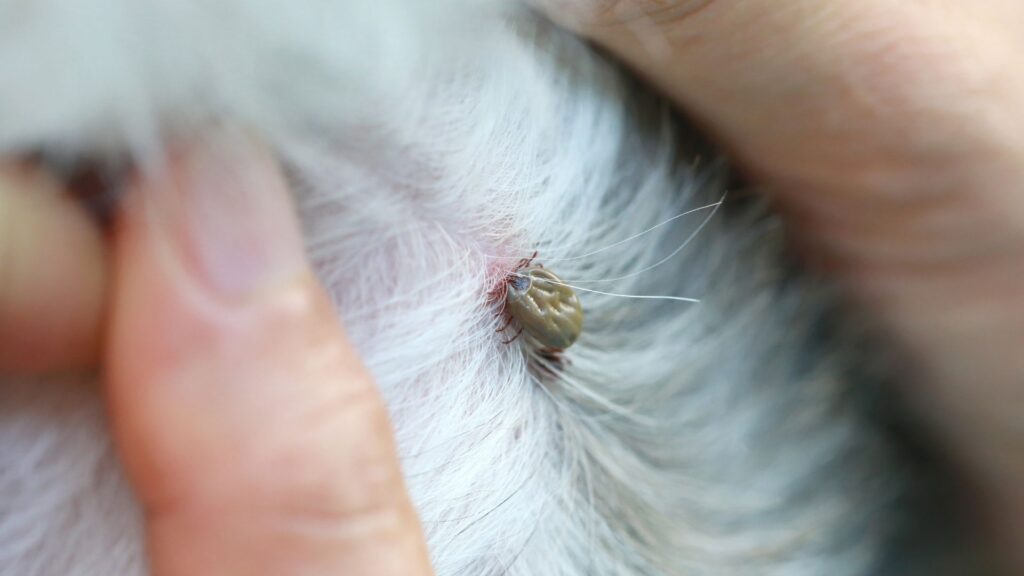
Ticks might seem like nature’s most annoying mistake, but these tiny parasites actually play a role in the ecosystem. Unfortunately, that role often puts our beloved pets at serious risk.
These blood-sucking creatures have been around for millions of years, and they’ve gotten pretty good at what they do. While they serve as food for birds and other wildlife, their ability to transmit deadly diseases makes them a genuine threat to our furry family members.
Nature’s Unwanted Survivors: What Are Ticks and What’s Their Purpose?

Ticks are arachnids, not insects. They’re more closely related to spiders than to fleas or mosquitoes.
In nature, they serve as part of the food web, feeding birds, reptiles, and amphibians while helping control wildlife populations through disease transmission. They’re incredibly resilient creatures that can survive months without a meal, waiting patiently in grass or brush for their next host.
While this might sound like they serve a purpose, that purpose unfortunately includes making life dangerous for our pets.
The Sneaky Hitchhikers: How Ticks Find Their Way to Your Home and Pets

Ticks don’t jump or fly. Instead, they practice something called “questing,” where they climb to the tips of grass blades or low shrubs and wait with their front legs extended.
When your dog brushes past, they grab on for the ride, often undetected until they’ve found the perfect spot to attach. They can also hitch rides on wildlife like deer, raccoons, or birds that visit your yard, then drop off to establish themselves in your outdoor spaces.
Once they’re in your environment, they can survive in leaf litter, tall grass, and shaded areas, creating an ongoing threat right in your backyard. Now, let’s explore why they’re so dangerous once they latch onto your pets.
Ticks Are Silent Disease Carriers
The real danger isn’t the tick bite itself but what comes with it. When ticks feed, they can transmit bacteria, viruses, and parasites that cause serious, sometimes fatal diseases in pets. These microscopic hitchhikers enter your pet’s bloodstream through the tick’s saliva, often without any immediate symptoms.
What makes ticks particularly dangerous is that they can carry multiple diseases at once, potentially infecting your pet with several conditions from a single bite.
Common Tick-Borne Diseases That Threaten Pets

Lyme disease is probably the most well-known tick-borne illness, causing fever, joint pain, and lameness that can progress to kidney failure if left untreated.
Rocky Mountain spotted fever brings similar symptoms but can be even more aggressive, while ehrlichiosis attacks your pet’s white blood cells, potentially becoming fatal according to veterinary sources.
Babesiosis destroys red blood cells, leading to anemia and jaundice that can be life-threatening.
Other diseases like anaplasmosis and hepatozoonosis add to the growing list of tick-transmitted threats that can seriously compromise your pet’s health.
Beyond Disease: Other Serious Tick Threats

Some tick species, particularly the paralysis tick found in Australia, secrete toxins that can cause progressive paralysis in dogs, potentially leading to respiratory failure. Even after removal, tick bites create open wounds that can become infected with bacteria, leading to additional health complications.
In cases of heavy infestation, the blood loss from multiple feeding ticks can cause anemia, especially in smaller dogs or puppies. Perhaps most concerning is that ticks often attach in hard-to-see areas like between toes, inside ears, or under the tail, making early detection challenging.
Knowing the risks is scary, but the good news is that you can take concrete steps to keep your pet safe. The following are the steps you can take to protect your pet from the dangers caused by ticks.
Make Daily Checks Your New Habit

After every outdoor adventure, run your hands thoroughly over your pet’s entire body, paying special attention to areas where ticks love to hide.
Check between toes, inside and around ears, under the tail, around the neck, and in the armpits—anywhere that’s warm and protected. Use your fingers to feel for small bumps that shouldn’t be there, and don’t forget to check under collars and harnesses where ticks might get trapped.
The sooner you find and remove a tick, the lower the risk of disease transmission, since most tick-borne illnesses require 24-48 hours of attachment to spread.
Invest in Professional-Grade Prevention

Your veterinarian can recommend tick prevention products that are far more effective than anything you’ll find at the pet store.
Topical treatments, oral medications, and specialized collars create a protective barrier that either repels ticks or kills them quickly after contact. These products are formulated specifically for your pet’s size and species, making them both safer and more effective than generic alternatives.
Some work for months at a time, giving you peace of mind during peak tick season without the hassle of daily applications.
Consider Vaccination When Available

For certain tick-borne diseases like Lyme disease, vaccines are available that can provide an extra layer of protection for your pet. While vaccination doesn’t replace other prevention methods, it can significantly reduce the risk of infection if your pet is exposed.
Your veterinarian can help you determine which vaccines make sense based on your location and your pet’s lifestyle. This is particularly important if you live in areas where tick-borne diseases are common or if your pet spends a lot of time outdoors.
Create a Tick-Hostile Environment

Your yard doesn’t have to be a tick paradise. Keep grass cut short, remove leaf litter and brush piles, and create barriers between wooded areas and your pet’s play spaces.
Ticks thrive in moist, shaded environments with plenty of hiding spots, so eliminating these conditions makes your property less attractive to them.
Consider using pet-safe yard treatments in problem areas, and think twice about letting your pet explore overgrown areas where ticks are likely to be waiting.
Master the Art of Safe Tick Removal

If you discover a tick on your pet, don’t panic—but do act quickly and carefully.
Use fine-tipped tweezers to grasp the tick as close to your pet’s skin as possible, then pull straight up with steady, even pressure. Avoid twisting or jerking, which can leave parts of the tick embedded in your pet’s skin. Clean the bite area with rubbing alcohol afterward, and keep an eye on your pet for any signs of illness over the next few weeks.
When in doubt, save the tick in a sealed container and contact your veterinarian for guidance.
Staying One Step Ahead of These Tiny Threats

Protecting your pet from ticks isn’t about living in fear—it’s about being smart and proactive. These tiny parasites have been perfecting their survival skills for millions of years, but with the right knowledge and tools, you can keep them from turning your pet into their next victim.
Regular checks, effective prevention products, and a tick-aware mindset can make all the difference between a healthy, happy pet and a costly, heartbreaking battle with tick-borne illness.
Your vigilance today could save your pet’s life tomorrow.
PetsFanatic Team
Pet Care Expert & Content Creator
Passionate about sharing knowledge and tips for better pet care. Writing about everything from pet health to training techniques.