
Brazil’s Golden Lion Tamarins Make Remarkable Comeback After Decades of Conservation Efforts
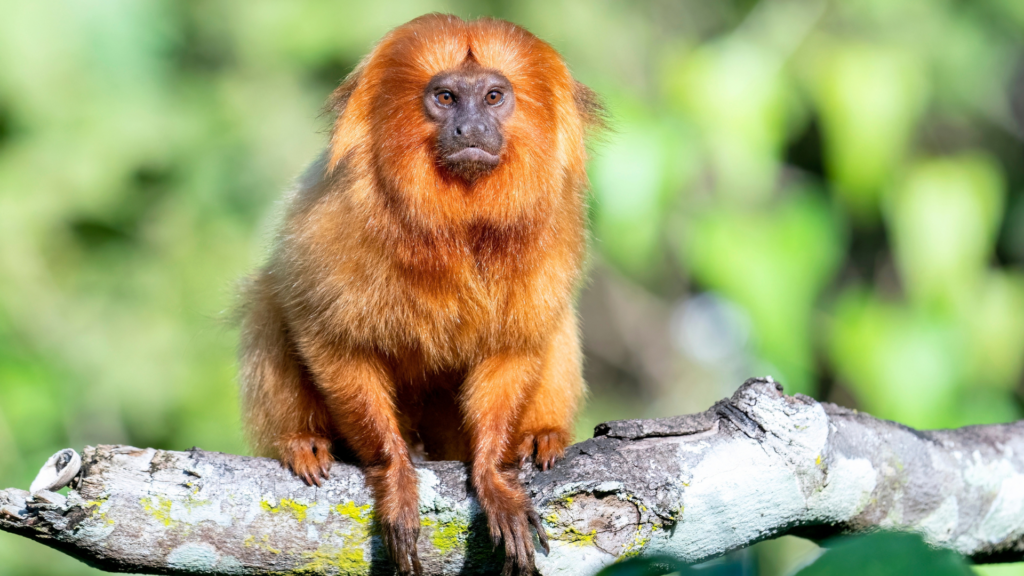
Golden lion tamarins, one of Brazil’s most recognizable endangered species, are making a remarkable recovery after decades of conservation work helped pull them back from the brink of extinction. In the 1970s, scientists estimated that only about 200 of the small primates remained in the wild due to widespread habitat loss and pressure from the illegal pet trade. Today, conservationists report that the population has rebounded to roughly 4,800 animals living in protected and restored sections of Brazil’s Atlantic Forest.
The golden lion tamarin is native to the lowland forests of Rio de Janeiro state and is known for its striking orange-gold fur and lion-like mane. The species became a symbol of conservation efforts after its numbers fell to critically low levels during the twentieth century. Scientists, governments, zoos, and nonprofit organizations collaborated on a long-term recovery strategy designed to prevent extinction and rebuild wild populations.
Conservation experts say the tamarin’s recovery is one of the most successful wildlife restoration stories in modern history. The species has survived habitat destruction, disease outbreaks, and other challenges that once threatened its future. Its comeback is now being studied as a model for saving other endangered animals around the world.
Habitat Restoration and Reintroduction Programs Fueled Recovery
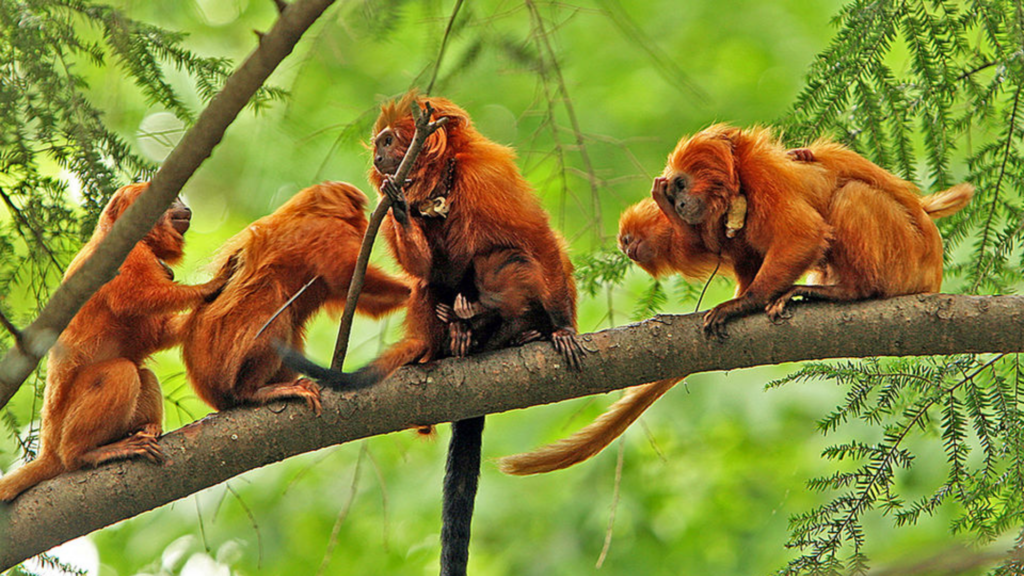
One of the most important conservation strategies involved reconnecting fragmented forests through the creation of wildlife corridors. These corridors link isolated patches of habitat, allowing tamarins to travel safely, find mates, and maintain healthy genetic diversity. Conservation groups worked with landowners and local communities to plant native trees and expand forest coverage across key areas of the Atlantic Forest.
Captive breeding programs also played a major role in the species’ recovery. Zoos and breeding centers around the world coordinated efforts to maintain genetically diverse populations, with many captive-born tamarins later reintroduced into protected Brazilian forests. Conservationists estimate that a significant portion of today’s wild population descends from animals that were part of those reintroduction efforts.
These combined efforts produced measurable results over several decades. Population surveys have shown substantial growth compared with the species’ historic low point, demonstrating that habitat restoration and carefully managed reintroduction programs can reverse severe declines. Researchers continue monitoring tamarin populations to ensure the recovery remains on track.
Conservationists Continue Protecting the Species From New Threats
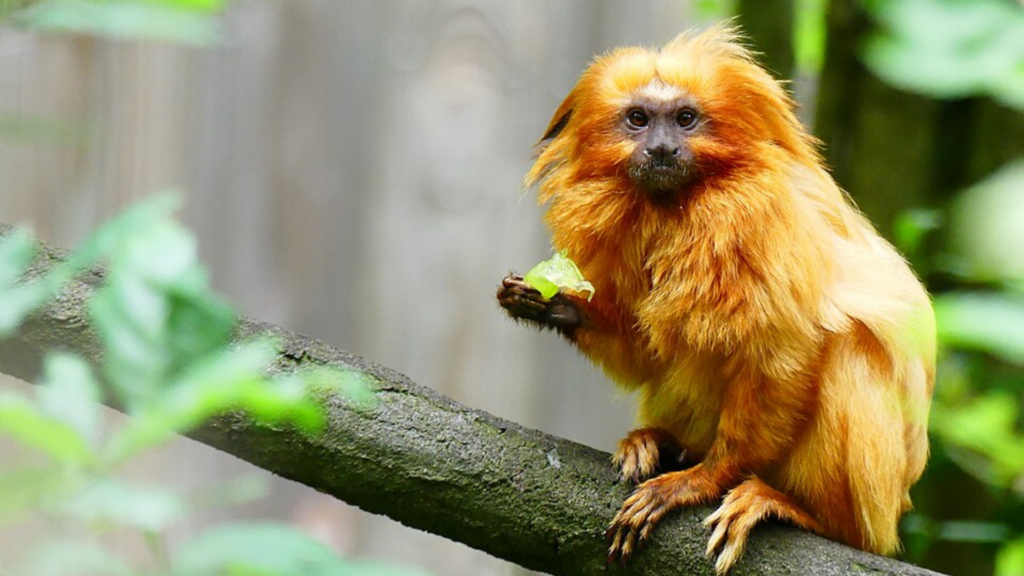
Despite the encouraging recovery, golden lion tamarins continue facing serious threats. Habitat fragmentation remains a concern in parts of the Atlantic Forest, while illegal wildlife trafficking has recently reemerged as a challenge for conservation organizations. Experts warn that continued protection and enforcement efforts are necessary to safeguard the species’ future.
Disease has also posed significant risks to tamarin populations. A yellow fever outbreak during 2016 and 2018 killed a large portion of the population, prompting scientists to develop specialized vaccination programs for wild tamarins. Researchers have since vaccinated hundreds of animals in an effort to reduce future disease-related losses.
Conservation groups continue expanding habitat corridors, monitoring population health, and educating local communities about the importance of protecting the species. These ongoing efforts are designed to ensure that the progress achieved over recent decades is not lost. Experts say long-term success will depend on maintaining connected habitats and preventing new population declines.
A Conservation Success Story With Lessons for the Future
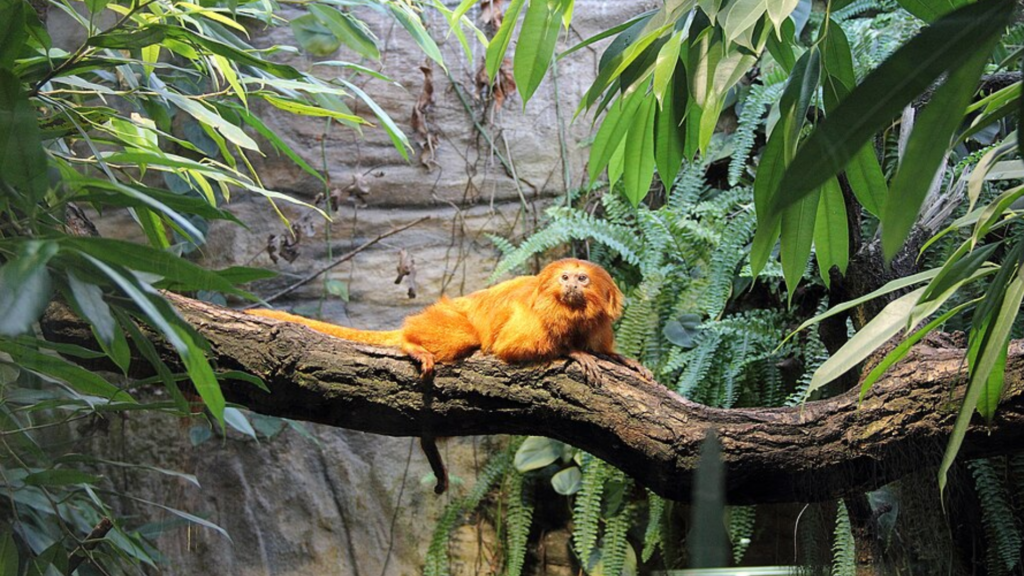
The recovery of Brazil’s golden lion tamarin represents one of the world’s most celebrated wildlife conservation achievements. From a population of roughly 200 animals in the 1970s to approximately 4,800 today, the species has demonstrated that coordinated conservation action can produce extraordinary results. Habitat restoration, captive breeding, and reintroduction programs all contributed to the remarkable turnaround.
The tamarin’s story also highlights the importance of long-term commitment in conservation work. Scientists, conservation groups, government agencies, and local communities spent decades working toward a common goal of preventing extinction. Their efforts transformed a species once considered on the verge of disappearing into a symbol of hope for biodiversity protection.
While challenges such as habitat loss, disease, and wildlife trafficking remain, conservationists believe the species is in a far stronger position than it was just a few decades ago. Continued monitoring and habitat protection will be essential to maintaining that progress. For many wildlife experts, the golden lion tamarin stands as proof that endangered species can recover when sustained conservation efforts receive sufficient support.
PetsFanatic Team
Pet Care Expert & Content Creator
Passionate about sharing knowledge and tips for better pet care. Writing about everything from pet health to training techniques.