
Why Gardeners Are Dusting Their Plants With Flour This Summer
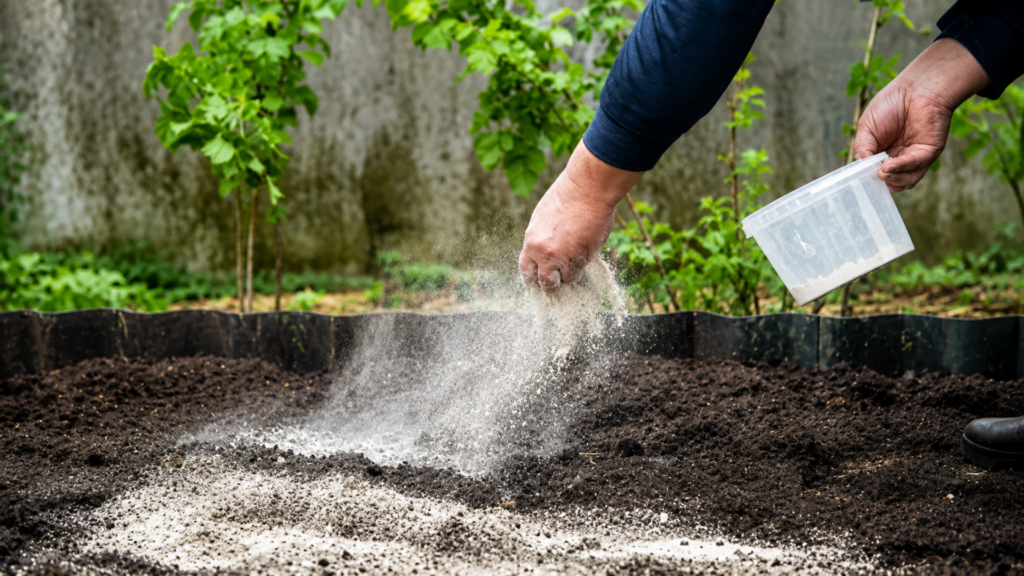
Most people picture pest control as either a store-bought spray or a complicated home remedy involving ingredients from a specialty shop. This summer, plenty of gardeners are reaching for something already sitting in their kitchen cabinet instead: plain white flour. It sounds almost too simple to work. It will not solve every pest problem, but for certain soft-bodied insects, gardeners say it genuinely helps.
According to pest control experts, flour works as a quick-fix deterrent against destructive pests like aphids, cabbage worms, and beetles. It does not repel insects the way people usually assume, through a smell or chemical they dislike. Instead, it acts as a physical barrier. Once a pest tries to feed on a flour-dusted leaf, the powder creates a sticky obstruction in its mouthparts and digestive system that makes it harder to keep eating.
That barrier effect is the whole mechanism. It is simpler than most people expect from a pest control method. Pest control professionals describe it less like a repellent and more like a trap built into the texture of the powder itself. Understanding exactly how that trap works, and which pests it actually catches, helps explain why flour has become a popular summer trick.
It’s Not a Repellent. It’s a Trap Built Into the Texture.

Mark Abraham, of Duguza Pest Control, is direct about what flour actually is and is not. “Flour isn’t a repellent in the way people usually mean that word,” he says. It works instead as a mechanical barrier. When gardeners dust it onto leaves, soft-bodied pests like grasshoppers and caterpillars end up with the powder clogging their mouthparts or gut while they try to feed.
The comparison to food-grade diatomaceous earth is not a coincidence. Both work through texture rather than toxicity, relying on a fine, powdery consistency to interfere with small, soft-bodied insects. On a sunny day, dried flour can also pull moisture directly out of smaller pests, adding a dehydrating effect on top of the mechanical blockage. Larger, hard-shelled insects are generally far less affected by either substance.
One common assumption turns out to be mostly wrong. There is no strong evidence that specialty or gluten-free flours perform any better than ordinary white flour, except in the case of aphids specifically. For most pests, the trick has little to do with which bag of flour is in the pantry. It has everything to do with how carefully that flour actually gets applied to the plant.
Dust It in the Morning Dew, or Mix It Into a Spray for Aphids

Application matters more than most gardeners expect. The recommended method is to dust flour lightly and evenly onto the underside of leaves, exactly where pests tend to feed. Early morning tends to work best, since a bit of natural dew helps the flour cling without turning gluey and clumping. After rain washes it away, gardeners need to reapply, and the powder should not be left sitting on plants for more than a day or two before rinsing it off.
For a heavier aphid infestation, experts suggest a spray instead of dry powder. “Mix two cups of white flour with five liters of water,” advises Chrissie Handley, a lawn care specialist at Online Turf, before spraying the underside of affected leaves. It dries into a crust. That crust traps aphids where they feed. Flour can also disrupt ant trails around a home or garden, since it interferes with the scent trail ants normally follow.
Even the ant trick has a small twist worth knowing. Mixing a bit of chili powder into the flour can make it more effective, since ants that walk through it end up carrying the chili on their bodies, which discourages them further. These are all genuinely useful, low-cost tricks. None of them, however, come without a catch worth understanding before flour ends up scattered across an entire yard.
The Same Trick That Deters Bugs Can Attract Mice Instead
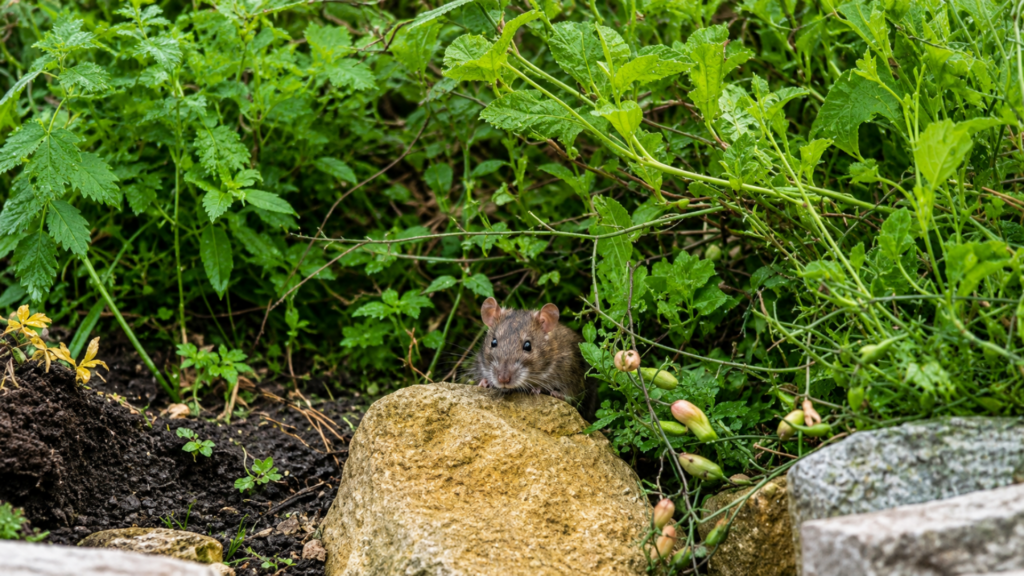
Flour is not something to scatter freely and forget about. Overusing it in a garden carries a real downside: it can attract rodents like mice, who are drawn to flour as a food source in their own right. That risk means the same quick fix meant to solve one pest problem can quietly create a completely different one if it is applied too often or left down too long.
Jason Burkhart, managing director at Critter Control, adds an important caveat. Flour’s effectiveness fades over time. “The critters get used to it eventually and continue to enter your garden anyway,” he says of pests that initially avoid treated leaves. He adds that flour can specifically draw in mice, who genuinely enjoy eating it, turning what started as a pest solution into an entirely new pest problem for the same yard.
There is a real irony sitting at the center of this trend. The exact quality that makes flour useful against aphids and caterpillars, its powdery, edible texture, is also what makes it appealing to a much bigger, much less welcome visitor. A pantry staple can slow down small pests for a season. It was never built to replace an actual pest control plan for anything larger than a bug.
PetsFanatic Team
Pet Care Expert & Content Creator
Passionate about sharing knowledge and tips for better pet care. Writing about everything from pet health to training techniques.