
‘Not So Friendly,’ Scientist Says After Studying Cat Licking Isn’t Always Affection

A cat softly licking another pet looks like pure love. Pet owners often film these sweet moments, believing their animals are sharing affection. Yet new behavioral research shows those gentle licks can hide a quiet struggle for control. Scientists found that cats frequently use grooming to push rivals off comfortable furniture and steal warm sleeping spots. What looks like sweet bonding is actually a clever way to bully a companion.
Old Assumptions About Mutual Animal Grooming Are Changing

Animal experts traditionally viewed mutual grooming as a simple sign of friendship. In nature, many species groom each other to clean hard-to-reach spots like the neck and ears. This helpful behavior was thought to strengthen social bonds and reduce daily stress among group members. However, studying pets in real homes shows a much darker side to this daily routine. Licking often serves as a subtle weapon during hidden household rivalries.
Real Home Observations Uncovered The Secret Conflict

A scientist discovered the behavior while watching her own two pets at home. Lead author Morgane Van Belle, a scientist at Ghent University in Belgium, watched her cats fight over a sunny spot. One cat approached, licked the other’s neck, and delivered a swift bite. The resting cat quickly got up and walked away. This simple trick allowed the licking cat to steal the warm cushion without a real fight.
Video Evidence Confirms Widespread Licking Rivalries

Video studies proved that this pushy behavior happens in many homes. Researchers gathered video footage from 53 households across Europe to analyze daily pet interactions. While some animals cuddled peacefully, others used licking as a direct warning signal. The footage showed that forceful licking consistently came right before household conflicts. Careful owners soon realized their pets were playing clever mind games for territory.
Stressed Victims Show Clear Signals Of Unhappiness

Target cats display obvious signs of stress when subjected to forced grooming. In the European study video clips, licked animals showed clear body language changes, including stiff postures and wide stares. Some stressed pets began yowling, swiping with their paws, or repeatedly licking their own lips in discomfort. The targeted animal clearly felt bothered rather than relaxed by the attention. Gentle licks often create hidden anxiety inside multi-pet homes.
Smart Animals Resolve Arguments Without Violent Fights

Licking provides an elegant method for animals to settle disputes without physical violence. Instead of starting an open fight, a cat uses pushy grooming to demand space calmly. Lead author Morgane Van Belle explained the behavior to People Magazine after publishing her findings in Applied Animal Behavior Science. “In my own cats, I saw it was sometimes not so friendly,” Van Belle said. This subtle communication helps pets solve daily problems peacefully.
Clever Tactics Replace Clumsy Physical Attacks

Subtle mental tricks allow pets to control shared spaces without getting hurt. Instead of rushing over to slap a roommate, a cat sits close and grooms troublesome spots with intent. Lead researcher Morgane Van Belle explained the smart behavior to The New York Times. “They have these very subtle ways of resolving conflict,” Van Belle said. Pushing a companion away with soft licks avoids dangerous claw fights over favorite blankets.
Complex Social Structures Shape Daily Domestic Life

Household pets build complicated social rules that go far beyond simple affection. Researchers plan to study overall cat relationships to help owners recognize subtle behavior patterns. Lead scientist Morgane Van Belle described the ongoing effort to People Magazine. “We are integrating everything that happens between cats to understand which relationships they form,” Van Belle said. Understanding these interactions helps families create peaceful environments for all their furry companions.
Recognizing Warning Signs Prevents Serious Household Battles
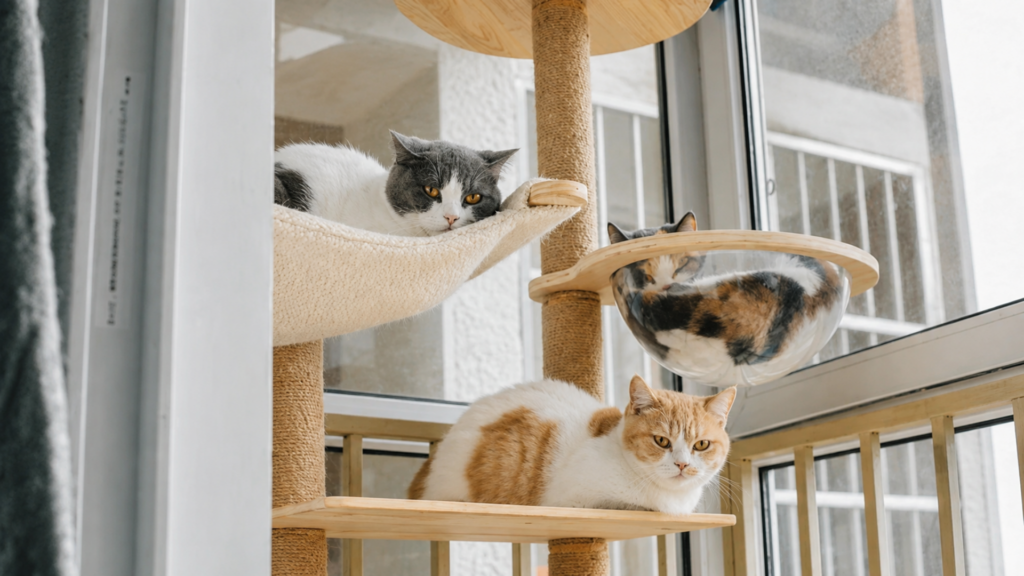
Learning to spot annoying behavior helps owners protect passive pets from silent bullying. When one cat licks another until the victim leaves a cushion, the owner should intervene gently. Providing extra elevated beds and separate water dishes removes the need for space battles. Recognizing forced grooming early prevents small arguments from turning into loud physical fights. Smart owners can easily stop silent bullying.
True Understanding Unlocks Peaceful Multi-Pet Homes
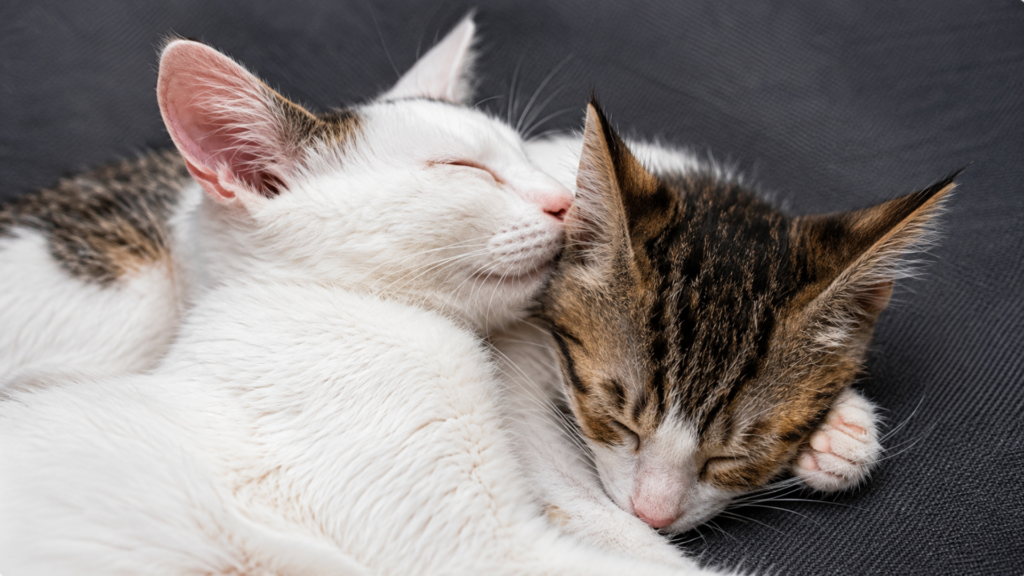
That sweet lick on a sleeping friend’s head carries much more meaning than simple love. What looked like pure affection turns out to be a clever tool for controlling shared spaces. Understanding how pets communicate helps owners read subtle signals instead of assuming perfect peace. By spotting forced grooming early, families can create happier spaces. Seeing the true intelligence behind animal actions transforms how humans care for their companions.
PetsFanatic Team
Pet Care Expert & Content Creator
Passionate about sharing knowledge and tips for better pet care. Writing about everything from pet health to training techniques.