
Why Bird Flu Has Veterinarians Worried About Cats

Bird flu has long been associated with poultry and wild birds, but veterinarians are now paying closer attention to cats. Over the past year, more feline infections have been reported, prompting experts to remind pet owners that while the overall risk remains low, cats appear to be one of the mammals most vulnerable to severe illness from the H5N1 virus. The American Veterinary Medical Association (AVMA) says many infected cats become critically ill, making early prevention especially important.
Why Are Cats More Susceptible?
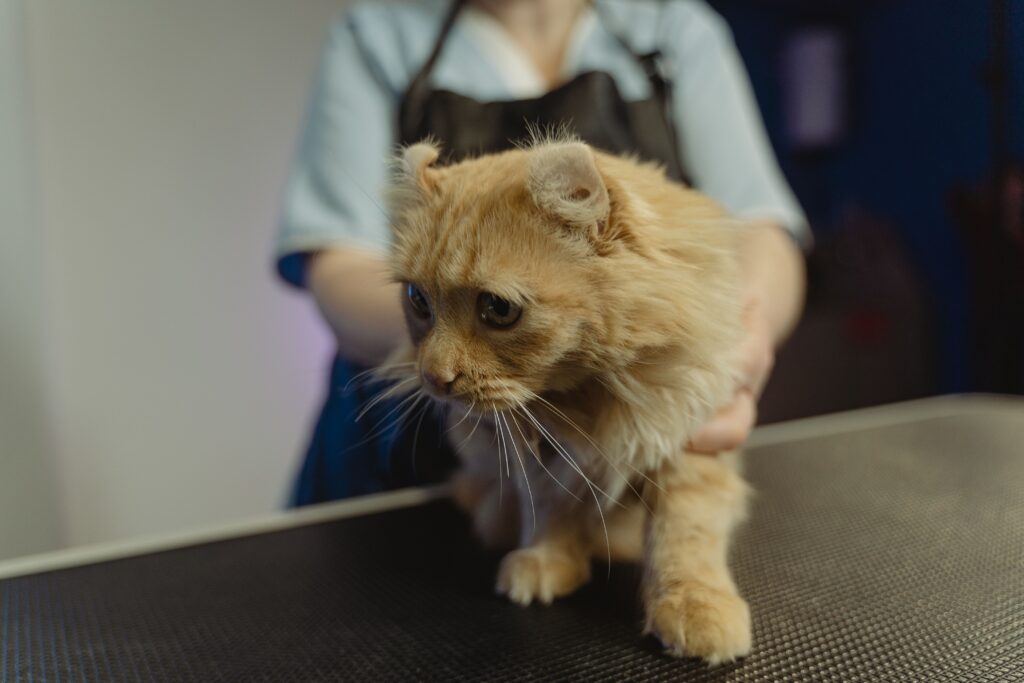
One of the biggest questions researchers are trying to answer is why cats seem to fare worse than many other household pets. According to the University of Illinois College of Veterinary Medicine, cats are highly susceptible to H5N1 infection and often develop more severe disease than dogs. Because they are natural hunters and frequently investigate birds and small animals, outdoor cats have more opportunities to encounter the virus than most pets.
It’s Not Just Birds That Pose a Risk

Many people assume a cat would have to catch an infected bird to become sick, but that’s only one possible route. Veterinarians say cats can also become infected after drinking raw milk from infected dairy cattle or eating contaminated raw pet food. As the virus has spread among more animal species, experts say pet owners should think beyond backyard birds when considering potential exposure.
Raw Pet Food Has Become a Growing Concern

Several recent investigations have linked contaminated raw pet food products to fatal bird flu infections in cats. Those cases have led veterinary groups, including the AVMA, to advise against feeding raw poultry diets while H5N1 continues circulating. Commercially cooked pet food remains the safer choice because heat destroys the virus before the food reaches your pet’s bowl.
The Symptoms Can Change Very Quickly

Bird flu doesn’t always look like a typical respiratory illness in cats. According to the Centers for Disease Control and Prevention (CDC), infected cats may develop fever, loss of appetite, difficulty breathing, and unusual neurological signs such as tremors, seizures, or trouble walking. In some cases, the disease progresses so quickly that owners have little time to react, making prompt veterinary care critical if symptoms appear.
Veterinarians Are Taking Extra Precautions

Because infected cats can carry high levels of the virus, veterinary clinics are treating suspected cases carefully. The CDC recommends protective equipment such as gloves, masks, and eye protection when examining animals that may have H5N1. These precautions help protect veterinary staff while reducing the risk of spreading the virus to other animals in the clinic.
Should People Be Worried?

For most pet owners, the answer is reassuring. The CDC says the risk of bird flu spreading from cats to people remains very low, and there is no evidence of sustained cat-to-human transmission. Still, isolated cases involving people with close contact with infected animals remind health officials that caution is appropriate whenever a pet is suspected of carrying the virus.
A Few Simple Habits Can Lower the Risk

Fortunately, most of the recommended precautions are straightforward. Experts encourage keeping cats indoors whenever possible, avoiding raw meat and unpasteurized dairy products, and preventing pets from interacting with sick or dead birds. Washing your hands after handling wildlife or visiting farms also helps reduce the chance of bringing the virus into your home.
Scientists Are Still Learning More

Researchers continue to study how H5N1 behaves as it spreads through different animal populations. While bird-to-cat transmission is well documented, scientists are monitoring whether the virus could become better adapted to mammals over time. Ongoing surveillance by veterinary researchers and public health agencies is helping officials track those changes as new information becomes available.
Staying Informed Is the Best Way to Protect Your Cat

The recent cases don’t mean every cat is in danger, but they do highlight how quickly animal diseases can change. Veterinarians say staying informed, avoiding unnecessary exposure, and seeking medical attention early if a cat becomes suddenly ill are the most effective steps owners can take. As researchers continue studying bird flu, awareness remains one of the simplest and most valuable tools for keeping pets healthy.
PetsFanatic Team
Pet Care Expert & Content Creator
Passionate about sharing knowledge and tips for better pet care. Writing about everything from pet health to training techniques.