
What Your Pet Says About Your Personality

More than half of Americans own a companion animal, whether with fur, feathers, or scales. A University of California, Berkeley study surveying over 1,000 pet owners found distinct personality differences between cat and dog people. Cat owners tend to be more creative, adventurous, and anxious, while dog owners are more extroverted, secure, and risk-averse. The research, published in the Journal of Applied Animal Welfare Science, reveals patterns extending beyond cats and dogs to birds, rabbits, fish, and even reptiles, each attracting owners with specific traits.
Cat Owners Score Higher in Creativity and Openness

The Berkeley study found that cat owners rate higher in creativity, adventurousness, and anxiety compared to dog owners. These traits align with the Big Five personality dimension of openness to experience. Writers and artists frequently own cats, reflecting these creative and introspective tendencies. Career paths where cat owners often thrive include medical lab technician, physician, real estate agent, and personal caretaker, all requiring attention to detail and emotional intelligence. The purring from cats increases oxytocin levels, which reduces stress for emotionally sensitive individuals.
Dog Owners Follow Structured Routines and Wake Earlier

Dog owners describe themselves as more extroverted, secure, and risk-averse than cat owners, according to the UC Berkeley research led by doctoral student Mikel Delgado. They prefer team sports, collaborative activities, and maintain structured schedules, often waking earlier than other pet owners. Dogs remain America’s most popular pet, present in roughly 40% of households. Breed size correlates with political orientation, according to research. Larger, protective breeds appeal more to conservatives, while smaller breeds attract liberals, with mixed breeds falling between the two.
Fish Owners Report the Highest Happiness Levels
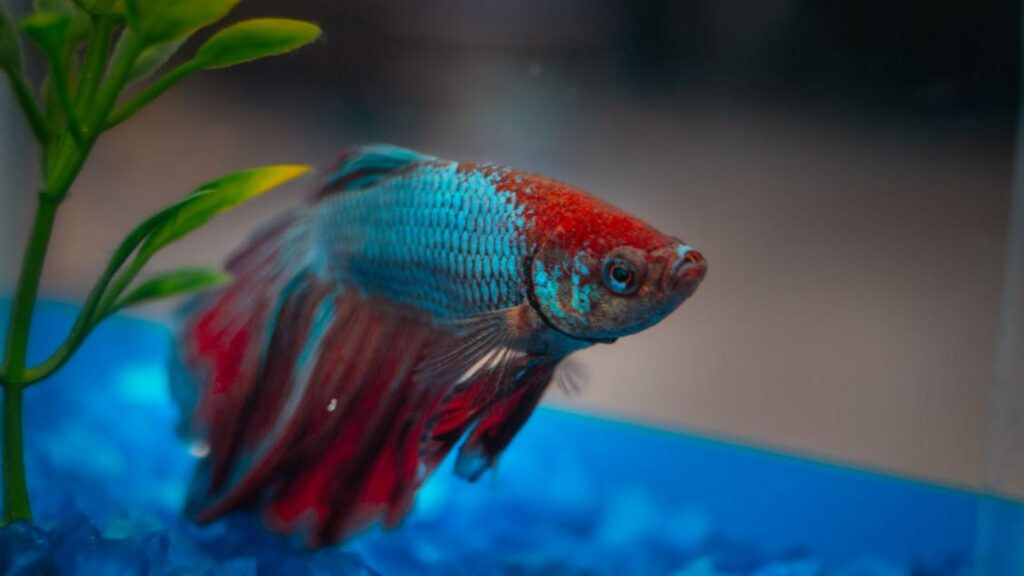
Fish owners demonstrate calm, stable, and trusting personalities, according to research on pet ownership and personality. They score highest on happiness scales among pet owners and manage mental health challenges more effectively than others, indicating low neuroticism and reduced stress levels. These emotional strengths make them well-suited for careers as social workers and mental health counselors. Additional fitting professions include teaching, art therapy, developmental psychology, human resources management, and occupational therapy, all benefiting from steady, compassionate interpersonal skills.
Snake Owners Embrace Individualism and Bold Choices

Snake owners view themselves as highly individualistic and organized, comfortable with bold fashion statements and unconventional political views, Yuan notes. This reflects higher openness to experience in personality research. They use descriptors like unpredictable and unconventional, displaying eccentric humor. These traits lead toward unique, artistic career paths. Musicians, artists, actors, film directors, professional racers, and designers show a greater inclination toward choosing reptilian companions, embracing the nonconformist lifestyle snakes represent.
Hamster Owners Are the Most Educated Pet Parents

Hamster owners often work during nighttime hours and prove most educated among pet owners, frequently holding master’s or doctoral degrees, according to Yuan at Personality Psychology. Professors and academic professionals show higher rates of hamster, chinchilla, and guinea pig ownership. Their intellectual approach suits careers in computer programming, research science, data analysis, statistics, and research and development roles. Yuan notes that hamster owners’ combination of intellectual curiosity and strong work ethic enables success across demanding fields.
Bird Owners Display Optimistic, Social Traits

People who keep budgies, cockatoos, and parrots consider themselves extroverted, caring, and free-spirited with optimistic outlooks, personality research suggests. Female bird owners particularly score higher in social dominance. These traits align well with careers in public relations, sales, talk show hosting, video creation, and journalism. Interestingly, bird owners show higher unemployment rates than other pet owners, though this correlation doesn’t establish causation or suggest birds cause joblessness.
Turtle Owners Value Patience and Reliability

Turtle owners characterize themselves as hardworking, easygoing, and reliable with considerable patience, according to Yuan. They share organizational skills with other reptile enthusiasts, particularly snake owners. Yuan notes these individuals consider themselves rational and may experience greater upward mobility professionally. Suitable careers include accounting, security work, carpentry, transcription, dentistry, mail delivery, and legal assistance. Turtle owners earn reputations for punctuality and persistent work habits, mirroring their pets’ steady, methodical nature.
Rabbit Owners Score Lowest on Extraversion

Rabbit owners identify as creative, introverted, and occasionally moody, scoring lowest among pet owners on extraversion measures in Big Five personality assessments, research shows. They describe themselves using words like scatterbrained and laid-back. These personality traits suit careers offering creative freedom and supportive environments, including graphic design, photography, veterinary work, and copywriting. The preference for rabbits reflects a desire for gentle companionship without the high social demands of more interactive pets.
Horse Owners Favor Rural Independence

Horse owners score higher on conscientiousness while rating lower on agreeableness compared to other pet groups, according to personality research. Living predominantly in rural areas, they value personal space and describe themselves as disciplined and introspective. Suitable careers include general management, inventory control, project consulting, and financial control. Many leverage their property space to launch small agricultural businesses, selling fresh produce at farmers’ markets and local fairs. The pattern remains clear: pet owners choose companions reflecting their existing personality and lifestyle preferences.
PetsFanatic Team
Pet Care Expert & Content Creator
Passionate about sharing knowledge and tips for better pet care. Writing about everything from pet health to training techniques.