
What Triggers Yellowstone’s Bison? Scientists Say This Season Is Different

A recent bison attack at Yellowstone National Park has renewed attention on one of the park’s most misunderstood animals. On July 10, 2026, a 65-year-old visitor was seriously injured after a bull bison charged him near the Bridge Bay Campground, throwing him about eight feet into the air. The incident came just weeks after another bison injured a 12-year-old visitor on June 26, making it Yellowstone’s second reported bison-related injury of the summer.
Scientists Say Midsummer Changes Bison Behavior

Wildlife biologists point to one major reason this period is different: the beginning of the bison rut, or breeding season. Yellowstone’s rut generally starts in mid-July and extends through August, when mature bulls compete for mates. During this period, testosterone levels rise sharply, bulls become more territorial, and they may react aggressively to nearby animals, vehicles, or people even when they have not been directly provoked.
The Recent Attack Shows How Fast Conditions Can Change

According to eyewitness accounts, the bull initially appeared calm before becoming agitated after interactions elsewhere in the campground. Photographer Mike MacLeod, who witnessed the attack, said the animal first charged in another direction before focusing on the man and his grandson. The victim reportedly tried to draw the bison away from the child before being struck. Witnesses said neither appeared to intentionally approach or harass the animal.
Bison Do Not Need Much Space to Reach People
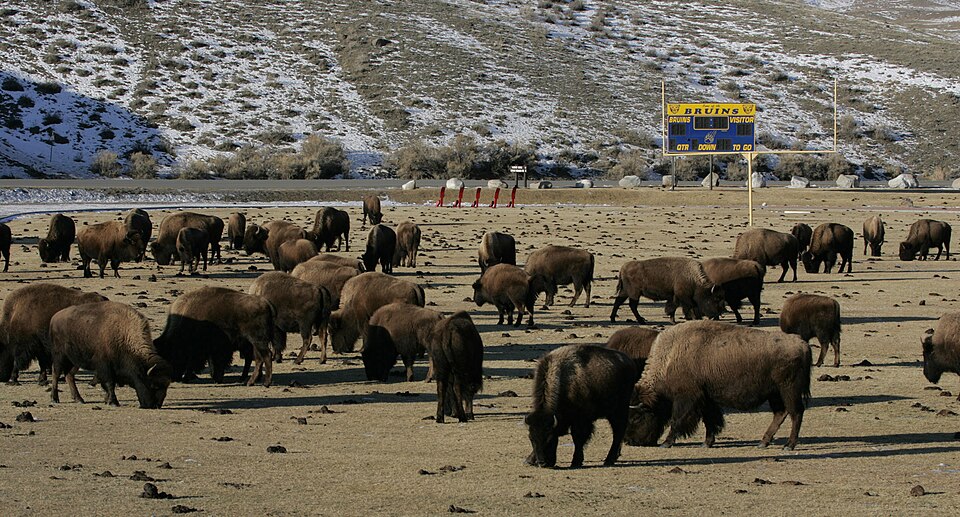
Many visitors underestimate how quickly a bison can close the distance. Adult bulls can weigh up to 2,000 pounds and run roughly three times faster than humans over short distances. Unlike predators that may display warning behavior first, bison can pivot suddenly and charge with little notice when they perceive a threat or challenge.
Yellowstone’s Most Dangerous Animal Is Not a Bear

Although Yellowstone is famous for grizzly bears and wolves, bison injure more visitors than any other wild animal in the park. The National Park Service says their size, speed, and unpredictable reactions make them especially hazardous when people get too close or block their movement. That danger increases during breeding season, when dominant bulls are already competing with rivals.
Park Rules Are Based on Years of Research

Yellowstone requires visitors to remain at least 25 yards (23 meters) away from bison and other large grazing animals. If an animal approaches, park officials advise moving away immediately to restore that distance rather than waiting to see what it does next. Rangers emphasize that photographs are never worth sacrificing a safe buffer around wildlife.
Not Every Charge Is Caused by Human Mistakes

While many wildlife incidents involve people approaching animals too closely, experts note that breeding season introduces another layer of unpredictability. Bulls may become highly reactive to movement, sounds, or perceived competition. Scientists caution that even visitors following general safety practices should remain especially alert during midsummer because animal behavior can change rapidly.
Yellowstone Protects Natural Wildlife Behavior

After the July attack, Yellowstone officials indicated the bison would not be euthanized because it was behaving naturally in its native habitat rather than exhibiting abnormal behavior. Park management generally reserves lethal action for rare cases involving wildlife that repeatedly loses its natural fear of people or poses an ongoing public safety threat outside normal defensive behavior.
Visitors Play the Biggest Role in Prevention

Most wildlife injuries in Yellowstone are preventable. Park officials continue urging visitors to give animals plenty of room, avoid surrounding them for photographs, never attempt selfies, and always leave themselves an escape route. Crowds gathering around a single bison can unintentionally trap the animal, increasing the likelihood of a defensive charge.
The Busiest Tourist Season Is Also the Most Challenging

As summer visitation peaks, Yellowstone enters the same period when bison are becoming more aggressive because of breeding activity. That overlap creates a higher potential for dangerous encounters. Scientists say understanding the seasonal behavior of these iconic animals, rather than assuming they are calm because they appear to be grazing, remains one of the most important ways visitors can safely experience the park while allowing wildlife to behave naturally.
PetsFanatic Team
Pet Care Expert & Content Creator
Passionate about sharing knowledge and tips for better pet care. Writing about everything from pet health to training techniques.