
What Really Makes a Queen Bee? Scientists Say It’s Not Just Royal Jelly

For generations, biology textbooks and beekeepers have taught the same lesson: feed a honeybee larva enough royal jelly, and it becomes a queen. New research suggests that story is incomplete. Scientists have found that a future queen depends not only on what she eats but also on where she develops and the worker bees that carefully prepare her environment. The discovery is changing how researchers understand one of nature’s most remarkable transformations.
Queens and Workers Begin Life Almost Identically

Every female honeybee starts from the same kind of fertilized egg. Yet one larva becomes the colony’s only fertile queen while thousands of genetically identical sisters become sterile workers. Queens grow larger, develop functioning ovaries, lay all the colony’s eggs, and can live for several years, while worker bees usually survive only weeks or months during active seasons. Scientists have long known that nutrition plays a major role, but identical genetics made the transformation one of biology’s most fascinating mysteries.
Royal Jelly Still Matters, But It Is Not the Whole Story
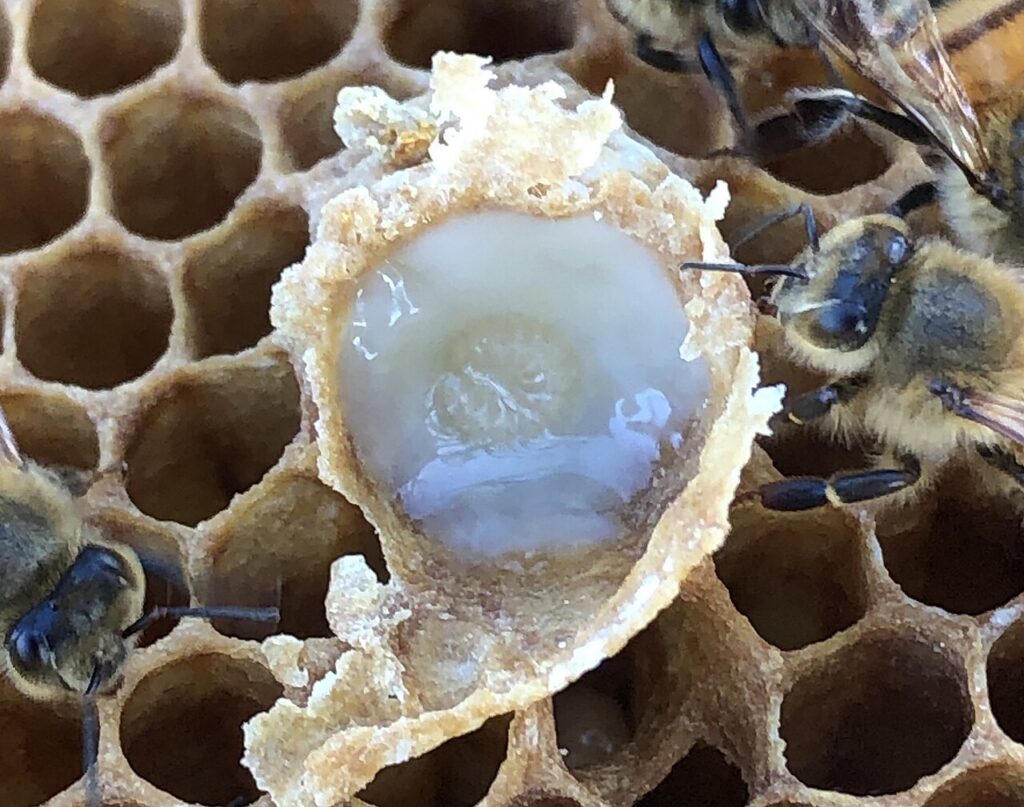
Royal jelly remains essential to queen development. Worker bees produce this nutrient-rich secretion and feed it continuously to larvae destined for royalty. Earlier studies showed that royal jelly can influence gene activity through epigenetic changes, helping activate the developmental pathways needed for queen characteristics. However, decades of searching have failed to identify a single “magic ingredient” that alone explains why one bee becomes queen while another does not.
The Queen’s Nursery May Be Just as Important as Her Diet

The newest study found that queen cells are far more than oversized wax containers. Researchers discovered that the wax used to build queen chambers has unique physical and chemical properties. It is softer, has a higher melting point, and creates a different environment from ordinary worker cells. Specialized young worker bees also regulate temperature and humidity around these chambers, effectively building a carefully engineered nursery for future queens.
Scientists Put the Theory to the Test

To determine whether the queen cell itself mattered, researchers raised queen larvae under identical feeding conditions but changed the wax surrounding them. The results were striking. Larvae reared inside ordinary worker-cell wax were more likely to die, and survivors developed into smaller queens despite receiving the same royal jelly diet. The experiment suggests that nutrition alone cannot fully explain queen development, and that the developmental environment plays a critical role alongside food.
Worker Bees Are Doing More Than Feeding the Queen

The research also uncovered a previously unrecognized group of young worker bees dedicated to building and maintaining queen cells. These workers generate extra body heat to soften wax, carefully blend specialized materials into the queen chamber, and continuously care for the developing larva. Instead of simply serving royal jelly, they create an entire developmental system designed to produce a healthy queen.
Why This Discovery Matters Beyond Bees
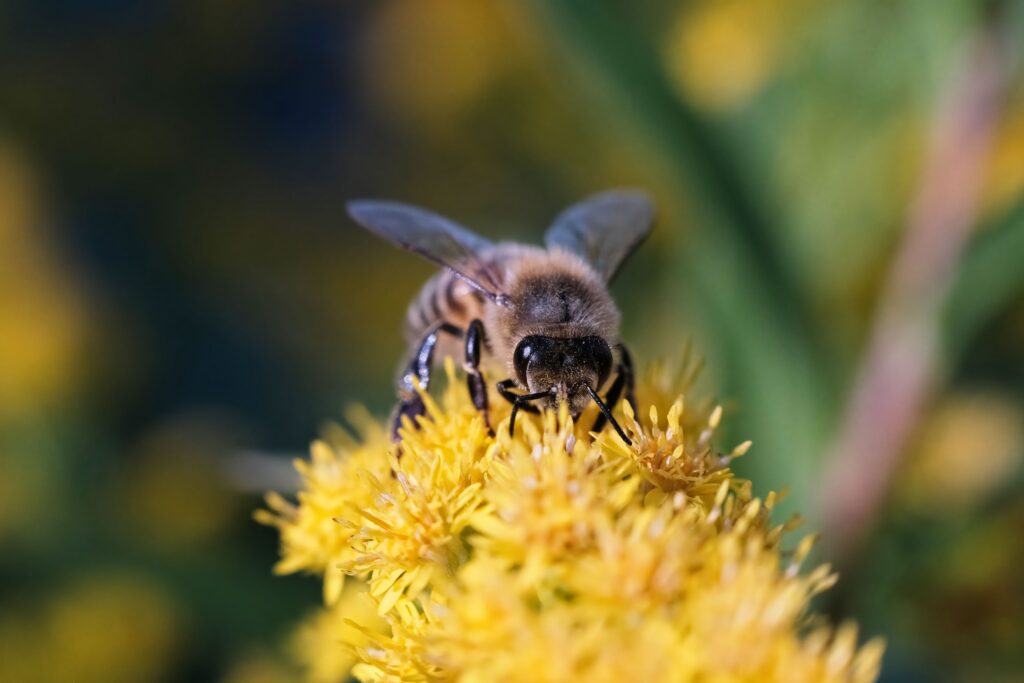
Honeybees pollinate crops ranging from almonds and blueberries to apples, cucumbers, and squash, making healthy colonies essential to agriculture. Better understanding how queens develop could improve queen breeding programs, strengthen struggling colonies, and support commercial beekeeping operations facing disease, parasites, and environmental stress. Researchers believe the findings may eventually help produce healthier queens capable of sustaining stronger hives.
Scientists Still Have Important Questions to Answer

The discovery does not mean royal jelly has been replaced as the key factor in queen development. Instead, it suggests that several biological influences work together. Researchers now want to identify which chemicals in the specialized wax influence larval growth and how temperature, humidity, and hive behavior interact throughout development. Those answers could reveal even more about how social insects control the fate of genetically identical offspring.
Nature Rarely Relies on a Single Ingredient

The new findings reinforce a broader lesson in biology: major developmental changes often result from multiple factors working together rather than one isolated trigger. In honeybees, four main factors—diet, environment, specialized care, and gene regulation—combine to produce a queen. That complexity helps explain why scientists have spent decades studying the process without finding one simple answer.
A Queen Is Built by an Entire Colony

A future queen emerges from a tightly coordinated process that begins long before she can lead the hive. Worker bees shape her nursery, regulate its conditions, and provide the care that guides her development from an ordinary larva into the colony’s reproductive center. What scientists are uncovering is less a single trigger than a remarkable act of collective engineering, one that could reshape how beekeepers raise stronger queens in the years ahead.
PetsFanatic Team
Pet Care Expert & Content Creator
Passionate about sharing knowledge and tips for better pet care. Writing about everything from pet health to training techniques.