
Drought Is Getting So Bad at Western Reservoirs That Officials Are Lifting Fishing Limits

You pack your gear for a quiet morning at your favorite local lake, expecting the usual strict rules on how many fish you can take home. Instead, game wardens deliver a stunning message: catch as many as you want, because this entire water system is about to disappear. State wildlife officials throughout the American West are completely lifting fishing limits at multiple major reservoirs. Regulators are taking this drastic step because historic, intensifying climate droughts are poised to leave thousands of aquatic animals stranded in dry mud.
State Wildlife Agencies Validate Emptying Out Fisheries

This unprecedented policy change comes directly from state wildlife management agencies, including Colorado Parks and Wildlife and the Oregon Department of Fish and Wildlife. Biologists from these institutions are actively monitoring historic drops in water volumes, forcing them to issue emergency public salvages. Rather than letting millions of game fish suffocate in isolated, warm mud puddles, these trusted state institutions have explicitly authorized a total suspension of bag, possession, and fish size limits to let the public harvest the doomed resources.
Crashing Snowpack Levels Force Emergency Catch Suspensions

The critical baseline data reveals a massive environmental crisis across the region. In Oregon, sixty-two out of seventy-three alpine snow-monitoring sites are approaching their lowest levels in recorded history. Over in Colorado, every single square mile of the state faces severe drought conditions, with forty percent entering extreme categories. This historic water shortage means that multi-million sportfish populations, like the five million trout stocked in Antero Reservoir, face total elimination unless humans or predators clear them out first.
Engineered Liquid Relocations Sacrificial To Local Ecosystems

These extreme fishing rules are a direct result of unconventional, desperate water management decisions. To combat historic heat, operators are intentionally draining shallow, broad reservoirs and piping that liquid into deeper mountain basins. Moving water out of Colorado’s broad Antero Reservoir saves an amount of liquid equal to twenty-five hundred Olympic-sized swimming pools from evaporating into thin air. Unfortunately, this engineered water conservation turns the local fish populations into immediate, unavoidable collateral damage as their habitats dry up.
Regional Wildlife Biologists Manage Destructive Habitat Drops
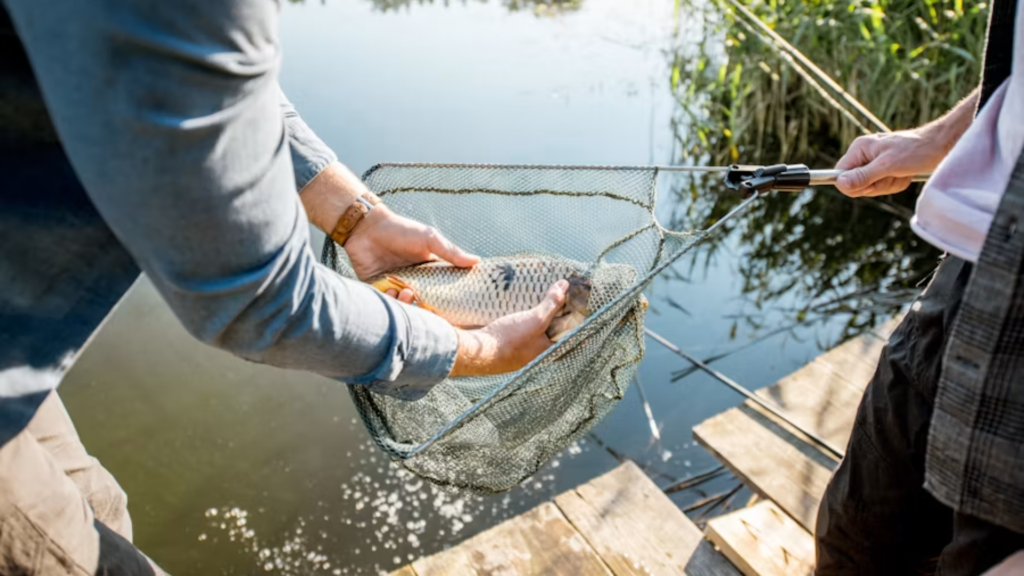
State fish biologists like Tyler Hoyt in Oregon are working to map out how these sudden drawdowns alter local river channels. Biologists are using specialized physical screens to guide remaining trout into deeper pockets, while preparing advanced electrofishing gear to stun and transport select groups to safer waters. Still, officials openly acknowledge that thousands of fish will inevitably be left behind in shrinking pools, serving as an unintended backyard buffet for local raptors, coyotes, and scavenging raccoons.
Official Proclamations Solidify The Bleak Reality
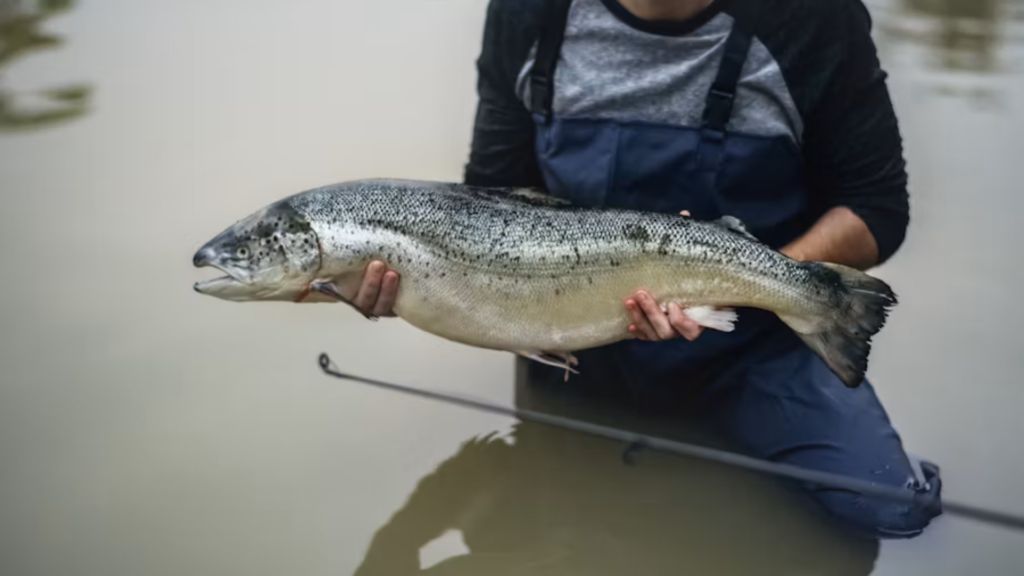
“With the potential loss of the fishery, this public salvage gives anglers an opportunity to utilize the resource while conditions still allow.” This formal alert was issued by Colorado Parks and Wildlife aquatic biologist Jim Ramsay, explaining the emergency public salvage operations initiated at the drying Nee Noshe Reservoir.
Multiplying Regional Tensions Complicate Shared Watershed Access

The decision to abandon traditional conservation rules is sparking tension between environmental advocates, sports anglers, and agricultural managers. In northeast Oregon, the three impacted reservoirs all store vital irrigation water drawn from the Powder River, a major local tributary of the Snake River. As farmers demand their legal water shares to save vulnerable summer crops, fishing enthusiasts are rushing to drop unlimited lines, highlighting the sharpening friction between agricultural survival and outdoor recreation priorities.
Decades Of Aridity Define A New Normal

This widespread collapse of western lake habitats is part of a much larger, multi-decade aridity trend across the American continent. Historically, seasonal runoff from mountain snowpack accounts for over half of the entire western water supply, sitting at about fifty-three percent. However, the record-breaking heat of recent years caused that vital winter snow cover to vanish entirely by mid-May, mirroring the destructive conditions seen during the infamous western droughts of 2002 and 2015.
Household Water Bills Reflect Looming Western Supply

For ordinary families across the West, this collapsing lake ecosystem translates directly into higher monthly living costs and stricter municipal codes. Major urban utilities, such as Denver Water, are already implementing steep drought pricing surcharges and mandatory lawn watering restrictions on household bills. A single acre-foot of water typically supplies three to four suburban homes for an entire year, meaning the thousands of acre-feet currently evaporating will directly shrink the drinking supply for thousands of residents.
Future Infrastructure Plans Face Long Term Environmental

The empty, cracked mud beds of these western valleys are a stark prologue to a permanently altered American landscape. Climate models point toward a continuous, long-term decline in winter mountain snowpack that will permanently alter how western states manage their infrastructure. Long after this current fishing emergency ends, cities will have to spend millions restructuring their reservoirs, proving that the struggle to secure basic drinking water for the next generation is only just beginning.
PetsFanatic Team
Pet Care Expert & Content Creator
Passionate about sharing knowledge and tips for better pet care. Writing about everything from pet health to training techniques.