
Wellness Coach’s Death Puts Spotlight on Dangerous ‘Toad Vaccine’ Detox Trend

Kristian Trend, a 40-year-old wellness coach, died after taking part in a kambo “cleansing” ceremony in Leicester, England, on April 11. Trend had only recently survived cancer before his death, making him the latest in a growing list of fatalities tied to kambo — a substance secreted by an Amazonian tree frog that has quietly spread from jungle ritual to Western wellness trend. His story reveals how a pursuit of healing can sometimes end in tragedy.
Kristian ran a plant-based energy drink company and documented his wellness journey online under the name “Kristian The Feel Good Guy.” His mother, Angie, told The Telegraph that “he was going to cleanse himself,” describing him as “very spiritual” and someone who took a lot of vitamins. After traveling through Asia and surviving Burkitt lymphoma, an aggressive blood cancer, he had become increasingly drawn to alternative medicine. A kambo ceremony, he believed, would complete his recovery.
Trend’s final Facebook post, published the day before his death, promoted “sea therapy,” urging his followers to “experience how floating and earthing can transform your recovery.” Hours later, police responded to a report of a man feeling unwell. He was taken to hospital and did not survive. A fundraiser has since been set up to support his family. Behind the tragedy lies a practice that is far less understood by participants than by the frogs that produce it.
What Kambo Actually Does to the Body
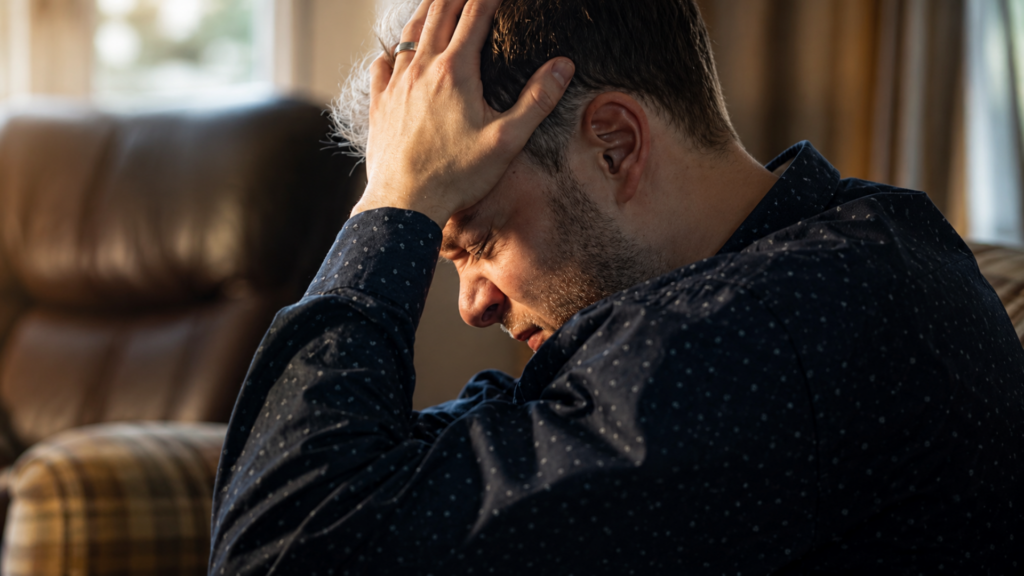
Kambo is a secretion derived from the giant monkey frog (Phyllomedusa bicolor) and has historically been used in tribal cleansing rituals in the Amazon region. In a ceremony, practitioners burn small holes into the skin and apply the waxy substance directly to the wounds. Participants are required to drink large amounts of water beforehand. Proponents claim the violent physical reaction that follows — vomiting, diarrhea, sweating — constitutes a powerful “detox” with lasting health benefits.
A 2025 case report published in Cureus found that participants are often encouraged to drink two to four liters of water before a session, a practice believed to facilitate purging. However, this water-loading, combined with peptide-induced vomiting and diarrhea, creates conditions for acute hyponatremia, a dangerous drop in blood sodium that can lead to brain swelling. In one documented case, a 35-year-old woman progressed to brain death within hours of a ceremony.
A systematic review published in Cureus in January 2025 concluded that the concrete dangers of kambo include sudden cardiac death and esophageal rupture, with risks heightened in patients who have pre-existing medical conditions. Trend had only recently completed treatment for blood cancer. Whatever his immune system’s state at the time, his body was not the baseline of a healthy adult. The substance he ingested makes no such distinctions.
A Growing Toll That Regulators Have Struggled to Address

Kristian Trend’s death did not happen in isolation. In 2024, Mexican actress Marcela Alcazar Rodríguez died at age 33 after ingesting kambo during a cleansing ceremony. In Australia, the deaths of two individuals after kambo rituals prompted forensic and toxicological investigations, leading the country’s Therapeutic Goods Administration to classify it as a poison in 2021. Each fatality follows a similar pattern: someone seeking wellness, a practitioner applying the substance, and a medical emergency with no antidote.
Brazil banned the sale and marketing of kambo in 2004. Chile prohibits its import. Australia classified it as a poison in 2021. Yet in the UK and much of Europe, the substance remains legal to purchase and administer. Indigenous groups have warned against the use of kambo by non-specialist practitioners, a concern that experts say is largely unheard by the wellness communities most aggressively marketing the practice.
Actor Orlando Bloom, who publicly tried kambo, described it to GQ as a ritual where “your skin is burnt with these little dots, and then you put up the poison from the Amazon.” He said the experience gave him “the sensation of death” but called it “incredible.” That framing, repeated by celebrities and wellness influencers, helps normalize the ritual for audiences who may never encounter the case reports or the coroner’s findings. The promotion continues. So do the deaths.
When ‘Natural’ Becomes a Liability

A review published in the medical journal Cureus concluded that kambo should face tighter regulation after identifying multiple cases of severe reactions and fatalities. Despite this, the substance is still openly marketed across the UK and the US as a remedy for conditions ranging from anxiety to addiction, and ceremonies are held in private homes, retreat centers, and parks. No licensing is required of practitioners. No medical screening is required of participants.
The National Institutes of Health (NIH) warns that kambo’s side effects, including tachycardia, blood pressure fluctuations, and gastrointestinal distress, “highlight the need for caution.” A UK government spokesman, responding to Trend’s death, said any substance posing a risk to public health “will be kept under review.” That language offers little reassurance to Trend’s mother, who told The Telegraph she hoped authorities would ban the practice, adding: “I’m not strong enough to fight for it.”
Kristian Trend spent his final years in pursuit of a healthier life. He beat cancer. He built a community. He believed in the body’s capacity to heal. The problem with kambo is that it is sold as part of that same belief system, wrapped in the language of ancient wisdom and natural medicine. There is nothing natural about dying from a toxin a frog evolved to repel predators. The ritual has roots; the marketing around it does not.
PetsFanatic Team
Pet Care Expert & Content Creator
Passionate about sharing knowledge and tips for better pet care. Writing about everything from pet health to training techniques.