
Warming Waters Are Bringing Sharks Closer to East Coast Beaches This Summer
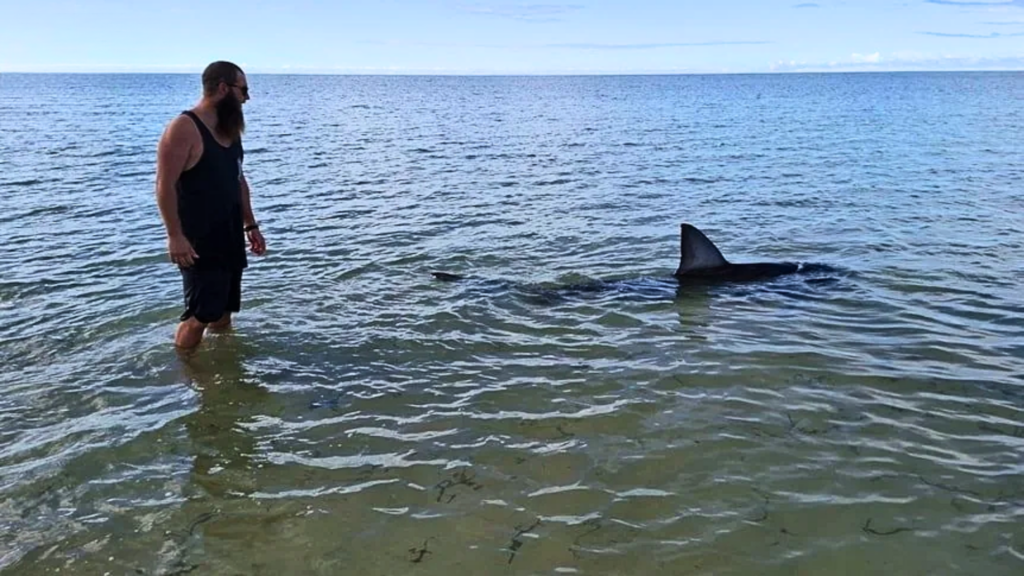
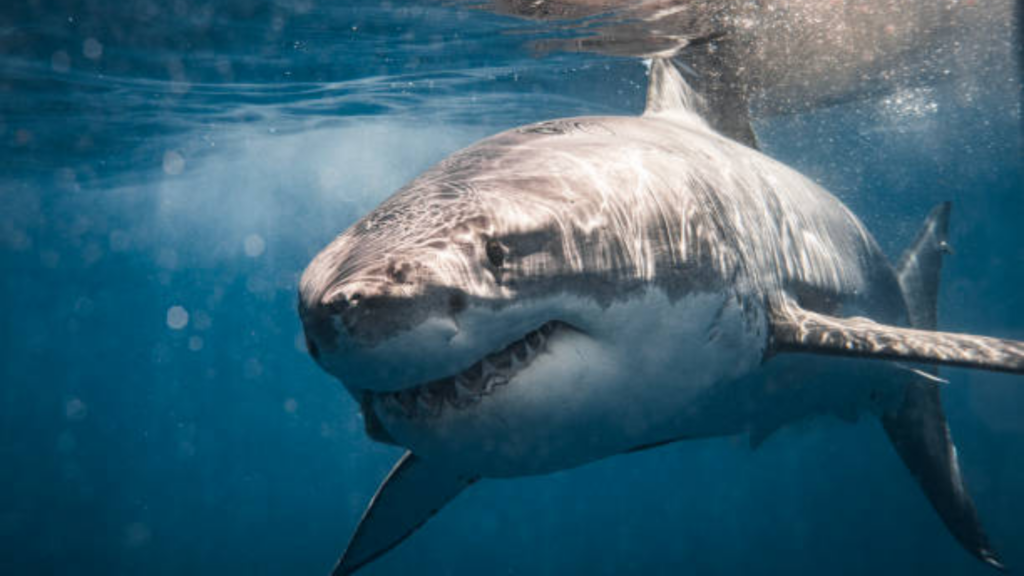
When a witness spotted a pool of blood off Nantucket in May 2025 and watched a seal swim toward shore with something following behind it, marine scientists confirmed what the season’s first data point had been signaling: white shark season on the East Coast had begun. The New England Aquarium confirmed the first white shark of the season off Massachusetts based on wounds found on a grey seal at Lucy Vincent Beach in Chilmark, Martha’s Vineyard. Experts say this is just the beginning. At least 30 species of sharks are now making their annual northward migration up the Eastern seaboard, and the busiest months are still ahead.
What Is Actually Happening in the Ocean Right Now
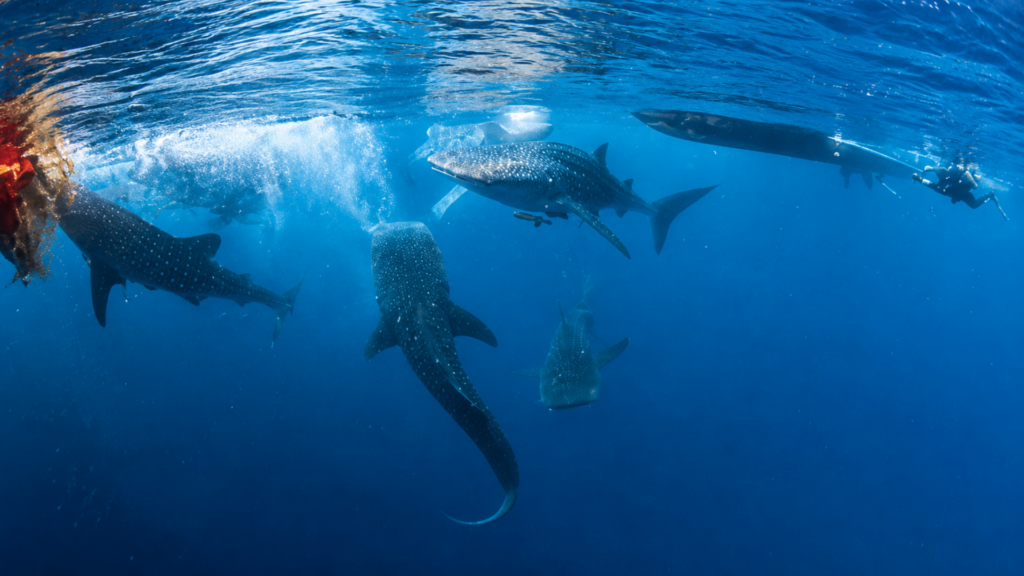
Every spring, as water temperatures rise along the Atlantic coast, dozens of shark species follow the warmth northward after spending winter in southern waters. This migration is entirely normal and has happened for millions of years. What has changed is how much of it we can see. Joel Fodrie, director of the Institute of Marine Sciences at the University of North Carolina at Chapel Hill, told ABC News that sharks are moving to new areas to set up their hunting strategies as prey concentrations shift with warming waters. The first tagged white shark to begin this season’s northward journey, a juvenile female named Nori, was tracked off the coasts of New York and New Jersey.
Which Sharks Are Coming to Which Beaches
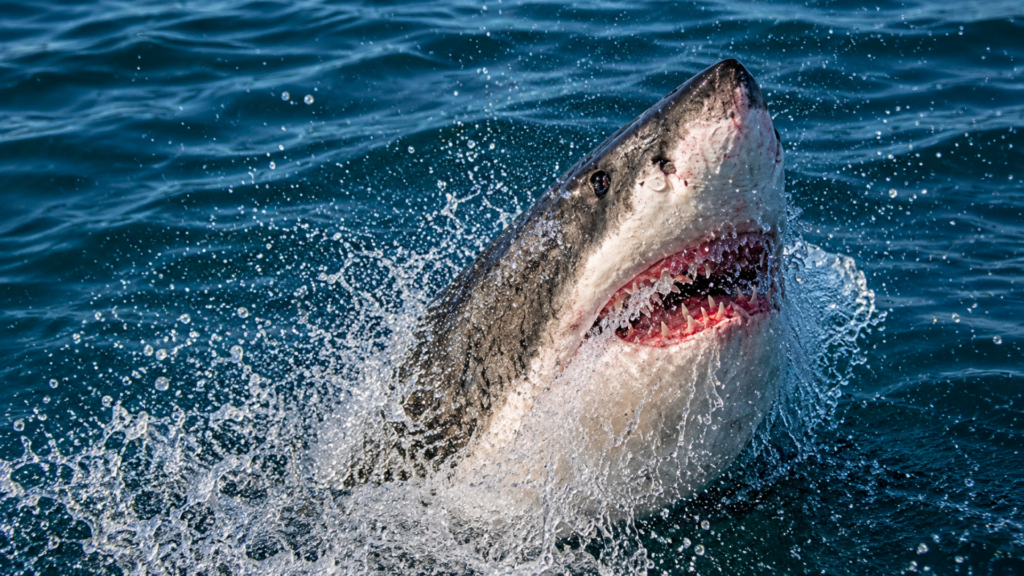
Not all sharks are the same, and not all coastlines carry the same species. White sharks are most commonly seen in the Northeast during summer months, particularly around Cape Cod in Massachusetts, because grey seals, their preferred prey, gather there in large numbers. Tiger sharks tend to stay in warm Florida waters year-round. Bull sharks are common in the Gulf of Mexico, where they feed on large fish and are known to occasionally mistake humans for prey in shallow, murky water. Bradley Wetherbee, a professor of marine biology and ecology at the University of Rhode Island, told ABC News that of the species considered a potential threat, these three are the ones most likely to encounter swimmers.
The Trackers Watching Sharks in Real Time

The nonprofit OCEARCH runs the Global Shark Tracker, a publicly accessible system that shows the live locations of tagged sharks as they move along the coast. Nori, the juvenile female white shark tracked off New York and New Jersey, is the first tagged white shark to begin this season’s northward migration, according to OCEARCH. In July 2025, a 14-foot, 1,600-pound male white shark named Contender pinged off Nantucket after being tracked from the Georgia coast through Florida and North Carolina. OCEARCH said Contender was heading toward the cooler, prey-dense waters of the Northeast and Canada. The Atlantic White Shark Conservancy’s Sharktivity app gives the public access to similar sighting data in near real time.
Why Sightings Are Up, and Why That Is Not Entirely Bad News
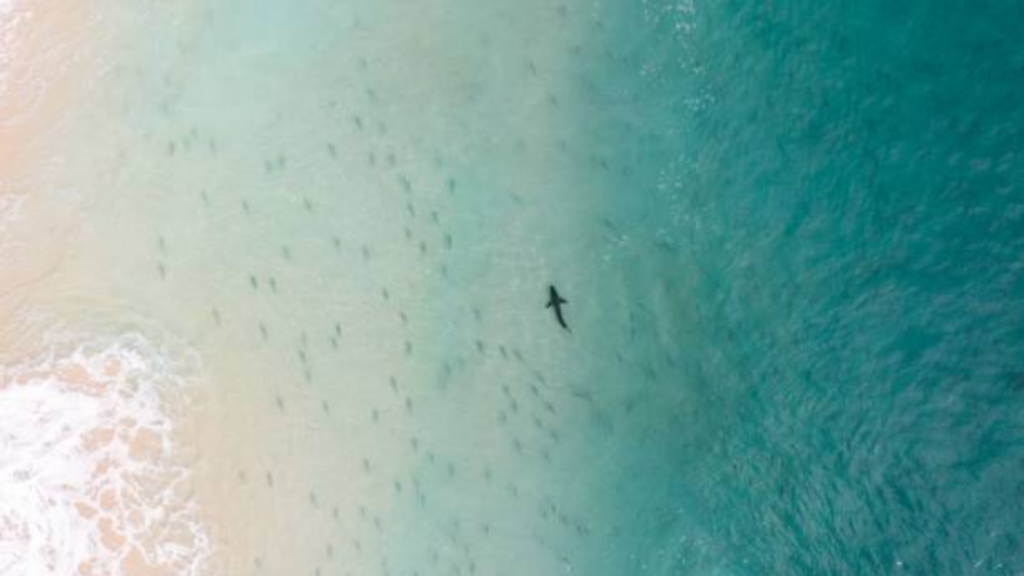
More sharks are being seen off the East Coast for two connected reasons. First, conservation protections in the Atlantic have allowed shark populations to rebound from decades of overfishing. Second, the technology available to spot and report them, including drones, underwater cameras, and tracking tags, has improved significantly. Both factors mean more sightings without necessarily meaning more danger. Marine data from Maine showed 93 great white sharks detected off its coast between 2020 and 2024, while a peer-reviewed study published in Marine Ecology Progress Series found white shark detections off Halifax, Nova Scotia increased roughly 2.5 times between 2018 and 2022. Globally, shark populations remain under severe pressure from overfishing, but US Atlantic protections have made a measurable difference.
What the Data Actually Says About Shark Attacks

The fear of sharks tends to outrun the reality. In 2025, the Florida Museum of Natural History’s International Shark Attack File documented 65 confirmed unprovoked shark bites on humans worldwide and 29 provoked bites. Nine of the 12 shark-related fatalities recorded that year were classified as unprovoked. Averaged across years, fewer than 10 people worldwide die from unprovoked shark attacks annually. The odds of being killed by a shark are roughly 1 in 3.7 million. Every shark expert interviewed by ABC News emphasized the same thing: the numbers are genuinely small, even if they don’t feel that way when you’re in the water.
The Real Danger at the Beach Is Not the One With Fins
Every marine biologist cited in the original research on this topic pointed to the same actual threat: rip currents. In the United States alone, rip currents are responsible for more than 100 deaths every year, according to data provided to the United States Lifesaving Association. Catherine Macdonald, director of the University of Miami’s Shark Research and Conservation Program, told ABC News that supervision of children in the ocean, awareness of rip currents, and the risk of drowning all represent far greater dangers than sharks ever will. For the average beachgoer, learning to identify and escape a rip current is the single most valuable piece of ocean safety knowledge they can carry onto any beach.
Why Sharks Bite, and What They Are Actually Looking For

Sharks are not hunting humans. Over 400 million years of evolution, sharks developed highly sensitive biological systems for detecting and testing their environment. When a shark bites a person, it is almost always an investigatory behavior, the equivalent of a sensory probe. According to Wetherbee, sharks are likely testing whether a swimmer is prey. With more than 540 species of shark on the planet, the vast majority never come into contact with people and would not be a threat even if they did. Sharks are also more easily spooked than most people assume: with the exception of the bolder species like bull sharks, most sharks will retreat when a person reacts to their presence.
Sharks Are a Sign the Ocean Is Healing

More white sharks off Cape Cod is not only a safety story. It is also an ecological recovery story. Sharks are a keystone species, meaning they play a disproportionately large role in maintaining the health of marine ecosystems. They move nutrients across environments, regulate prey populations, and shape the structure of the habitats below them. Macdonald told ABC News that marine ecosystems look dramatically different in the absence of sharks, often in ways humans would not want. The rebound of grey seals in New England, which in turn draws more white sharks, reflects a cascade of conservation success that scientists have been working toward for decades. Seeing more sharks is, in part, evidence that it is working.
What to Do Before You Go in the Water This Summer

Scientists are not telling people to stay out of the ocean. They are asking people to go in informed. A few consistent recommendations apply across every East Coast beach. Avoid swimming near large schools of fish, diving seabirds, or grey seals, all of which signal active feeding zones where sharks are likely to be nearby. Swim during daylight hours and stay out of the water at dawn and dusk when sharks feed most actively. If you spot a shark, leave the water calmly. For real-time sighting data, the Atlantic White Shark Conservancy’s Sharktivity app provides confirmed shark locations and push notifications. The ocean is not getting more dangerous. It is getting more populated, which is worth knowing before you wade in.
PetsFanatic Team
Pet Care Expert & Content Creator
Passionate about sharing knowledge and tips for better pet care. Writing about everything from pet health to training techniques.