
Warming Atlantic Waters May Be Drawing Tropical Tiger Sharks to Massachusetts, Scientists Say

Tiger sharks are typically associated with warm tropical and subtropical waters, making a recent catch off the coast of Massachusetts an unusual event. Marine scientists say the sighting could be another sign that ocean temperatures are changing, allowing species normally found farther south to travel into New England waters. While researchers stress that one shark does not confirm a permanent shift, they say it highlights broader changes taking place in the Atlantic Ocean.
A Rare Catch Off the Massachusetts Coast
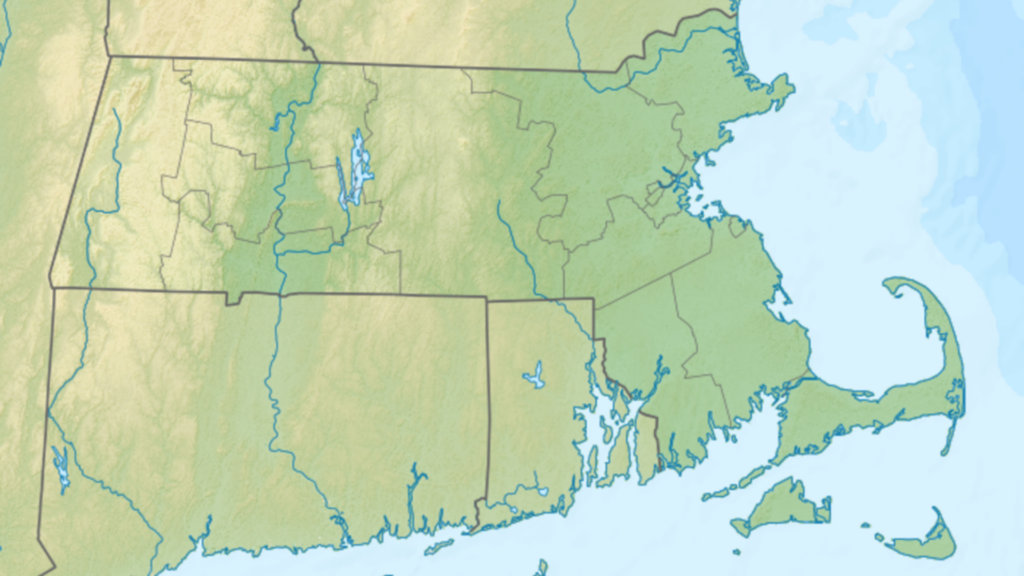
The tiger shark was caught by recreational anglers several miles off the Massachusetts coast, surprising both fishermen and marine experts. Although tiger sharks occasionally wander outside their normal range, encounters this far north remain uncommon. Researchers say the catch provides another opportunity to study how warming waters may be influencing shark movements.
Tiger Sharks Usually Prefer Warmer Waters

Tiger sharks are most commonly found in tropical and subtropical oceans, where water temperatures remain warm throughout the year. They inhabit areas across the Atlantic, Pacific, and Indian Oceans and are known for traveling long distances. Because they are highly mobile, changes in ocean temperatures can influence where they hunt and migrate.
Scientists Point to Rising Ocean Temperatures

Researchers say the Northwest Atlantic has experienced significant warming in recent years. As ocean temperatures rise, some marine species, including certain sharks, fish, and sea turtles, have expanded their seasonal ranges farther north. Scientists believe warmer coastal waters may be making parts of New England increasingly suitable for species that historically spent little time there.
It’s Not Just Tiger Sharks

Tiger sharks aren’t the only marine animals appearing in new places. Scientists have documented shifts in the ranges of blacktip sharks, sandbar sharks, and several fish species as ocean conditions change. These movements are part of broader ecological changes that researchers are monitoring throughout the Atlantic Ocean.
What This Means for Marine Ecosystems

When top predators move into new habitats, they can influence local food webs and interactions between species. Researchers are studying whether changes in shark distribution affect prey populations, commercial fisheries, and ecosystem balance. Understanding these shifts helps scientists better predict how marine environments may respond to future climate trends.
Should Beachgoers Be Concerned?

Experts emphasize that shark sightings remain relatively uncommon, and the risk of a shark bite is still extremely low. Beaches throughout Massachusetts continue to monitor shark activity using aerial surveys, tagged sharks, and public reporting systems. Officials encourage swimmers to follow local safety guidance and avoid swimming near seals or schools of fish, which can attract predators.
Researchers Continue Tracking Shark Movements

Scientists use satellite tags, acoustic transmitters, and underwater receivers to monitor shark migrations throughout the Atlantic. These tools allow researchers to better understand where sharks travel, how they respond to changing water temperatures, and when they arrive in different regions each year. Long-term tracking data helps improve both conservation efforts and public safety.
Climate Change Is Reshaping Ocean Life

Marine researchers say warming oceans are affecting countless species beyond sharks. Fish populations, whales, sea turtles, and marine mammals are all responding to changing water temperatures by shifting migration routes or expanding into new habitats. Scientists expect these changes to continue as ocean conditions evolve over the coming decades.
One Shark Reflects a Much Bigger Story

The appearance of a tiger shark off Massachusetts does not necessarily mean the species is becoming common in New England waters. However, scientists say it serves as another reminder that the Atlantic Ocean is changing. Continued monitoring will help researchers understand whether these rare encounters remain isolated events or become part of a larger pattern as ocean temperatures continue to rise.
PetsFanatic Team
Pet Care Expert & Content Creator
Passionate about sharing knowledge and tips for better pet care. Writing about everything from pet health to training techniques.