
The Clearest Video of an Isolated Tribe Is Blowing Up Online and People Are Yelling “Leave Them Alone”

A short clip from deep inside the Amazon rainforest is spreading fast, and it is making people deeply uncomfortable. The footage offers the clearest look yet at the Mashco Piro, one of the world’s largest Indigenous communities living in voluntary isolation. Unlike past blurry images, this video shows faces, movements, and expressions with startling clarity. Almost immediately, a chorus rose online with the same message: leave them alone.
The video gained wider attention after being discussed on the Lex Fridman Podcast, where conservationist Paul Rosolie explained how it was filmed from a distance using powerful long-range cameras. Even so, the clarity has reignited an old debate about whether seeing more actually helps protect isolated peoples, or quietly puts them at greater risk.
What viewers are reacting to is not just what the camera captured, but what its existence might invite next.
What the Video Shows, and Why It Feels So Intense

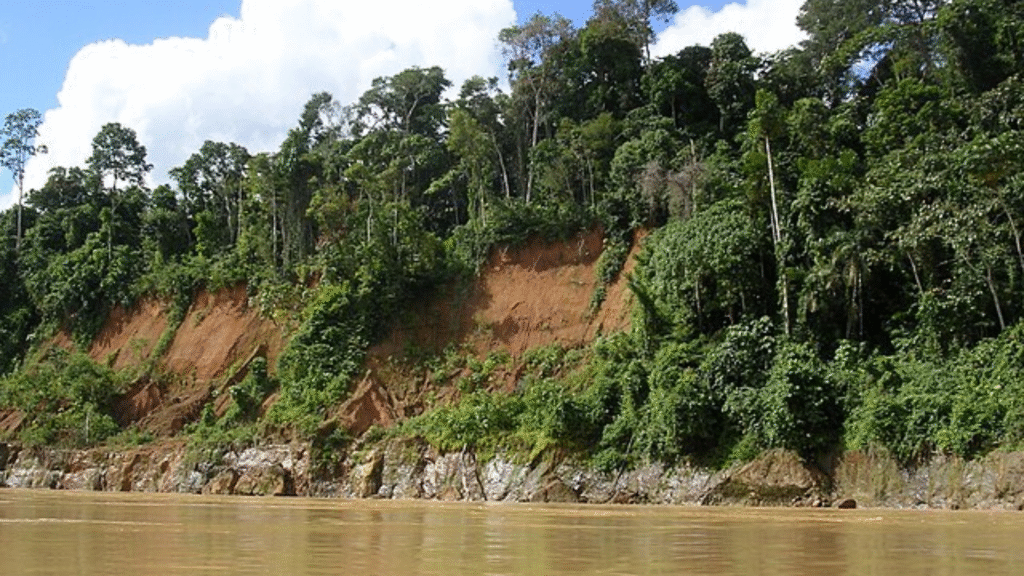
In the footage, members of the Mashco Piro appear along a riverbank, gathered tightly together and visibly alert. Several hold bows and other weapons as they watch the people across the water filming them. The first moments feel tense, almost like a standoff, shaped by caution and uncertainty.
As time passes, body language shifts. Some step forward. Curiosity begins to soften fear. Rosolie has said the group was not approached, emphasizing that they emerged from the forest on their own. An interpreter reportedly called out calmly, urging everyone to lower weapons so no one would panic.
That fragile balance is what many viewers find haunting. The scene feels intimate and human, but also precarious, a reminder that a single misstep or illness could have irreversible consequences for people with little immunity to the outside world.
Why So Many People Are Saying “This Should Not Be Online”
The strongest reaction online has not been awe, but alarm. Commenters argue that even respectful filming can encourage future intrusions by less careful outsiders. Once a location or group gains attention, curiosity seekers, influencers, or illegal operators may try to replicate the encounter.
Others point to the broader pressures already pushing the Mashco Piro into view. Logging, deforestation, and development near protected reserves force communities toward riverbanks and edges of their territory. The video has intensified calls to halt concessions and strengthen enforcement rather than share rare sightings.
A smaller group of commenters has questioned whether the Mashco Piro are truly isolated, pointing to small details in the footage as supposed evidence of indirect contact. Experts note that isolation exists on a spectrum, and brief appearances do not equal sustained engagement. The tribe deliberately avoids ongoing contact, often retreating quickly after encounters.
The Uncomfortable Question the Video Leaves Behind

The Mashco Piro are believed to number around 750 people and live in Peru’s southeastern Amazon, near the border with Brazil. They are semi-nomadic hunter-gatherers whose survival depends on intact forest and distance from outsiders. History shows why that distance matters. Past contact has often brought disease, violence, and devastating population loss.
Human rights advocates argue that protection does not come from visibility, but from restraint. No-contact policies exist precisely because attention can create incentives for riskier expeditions and dangerous encounters. Even brief exposure to common illnesses can be deadly for isolated groups.
After the shock of the footage fades, what remains is a harder question. Does sharing these images help safeguard vulnerable communities, or does it slowly erode the very isolation that keeps them alive? The fact that so many people are instinctively saying “leave them alone” may already be part of the answer.
PetsFanatic Team
Pet Care Expert & Content Creator
Passionate about sharing knowledge and tips for better pet care. Writing about everything from pet health to training techniques.