
Utah Community Battles Growing Wild Turkey Problem as Birds Flood Neighborhoods
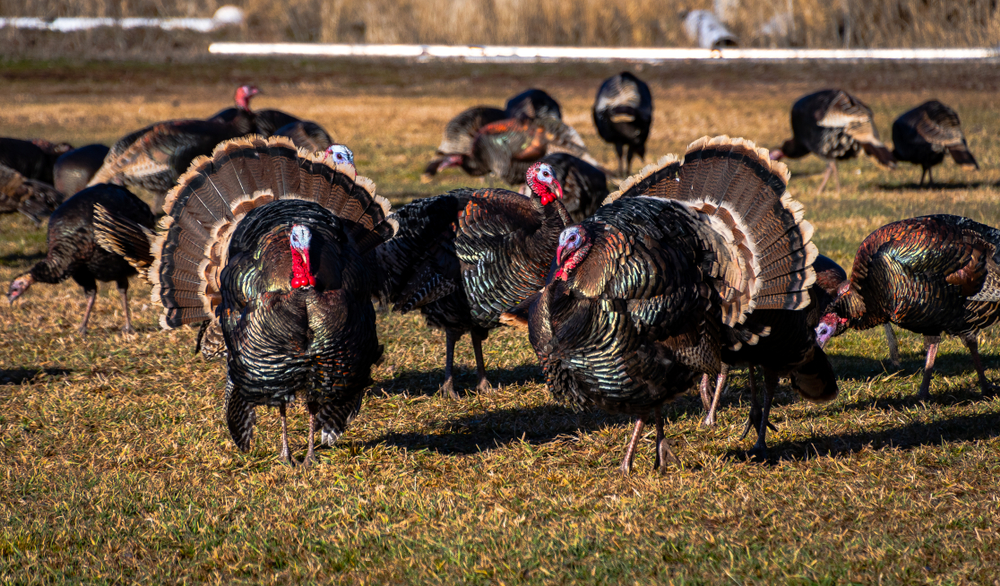
For residents of Mendon, Utah, wild turkeys have become more than an occasional wildlife sighting. Each year, flocks descend from nearby mountains into neighborhoods, transforming quiet residential streets into gathering grounds for dozens, and sometimes hundreds, of birds.
The issue has become so persistent that it now defines life for many residents in the Cache Valley community. What once began as small groups wandering through town has evolved into a recurring challenge that local officials, wildlife managers, and homeowners have spent years trying to address.
While recent headlines have renewed attention on the problem, the turkey influx is not a new phenomenon. Reports of large flocks causing damage in Mendon date back to at least 2017, making the current debate less about a sudden wildlife invasion and more about how communities adapt when a successful conservation effort intersects with residential life.
When Conservation Success Meets Community Frustration
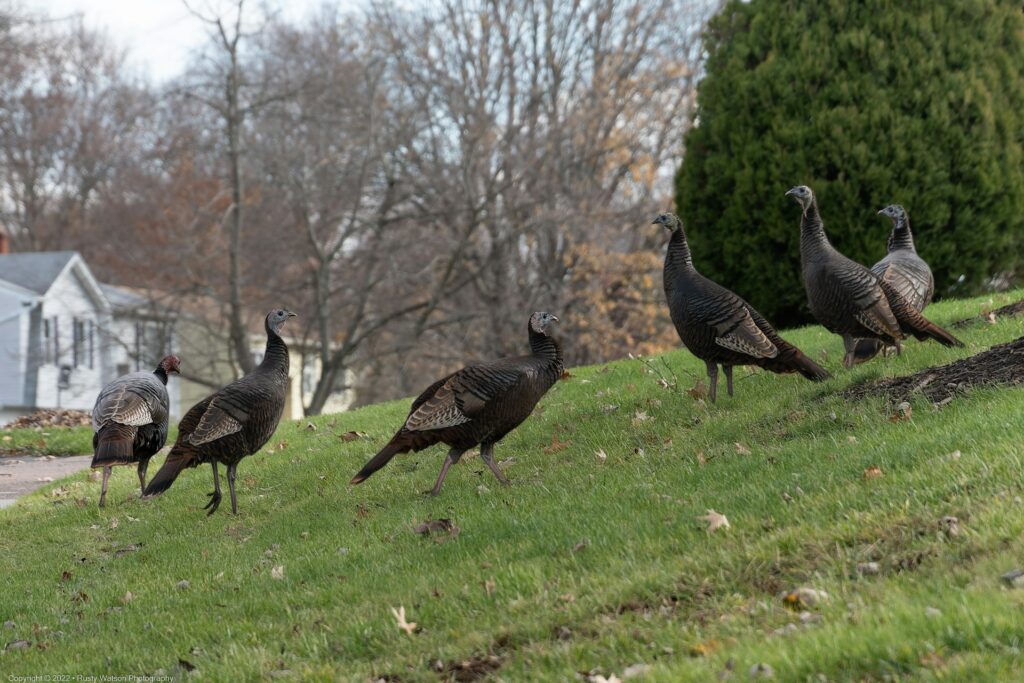
Utah’s wild turkey population is the result of decades of wildlife restoration efforts. After being reintroduced to the state in the 1980s, the birds expanded into habitats across Utah and established thriving populations in many regions.
In Mendon, however, that success has produced unintended consequences. Residents have long complained about large flocks gathering in yards, scratching up landscaping, damaging gardens, breaking tree branches, and leaving droppings throughout neighborhoods. Some homeowners report seeing dozens of birds on their property on a regular basis.
Mayor Ed Buist has described how the problem escalated over time. Flocks that once numbered around a dozen birds eventually grew to 60, then 100 or more. As the birds became increasingly comfortable around people, frustrations among residents grew as well.
The challenges extend beyond aesthetics. Wildlife officials say wild turkeys can damage landscaping, knock over feeders, strip fruit trees, and congregate in large groups that create sanitation concerns. Their tendency to return to familiar feeding locations has made long-term management especially difficult.
Years of Relocation and Management Efforts

State wildlife officials have spent years attempting to reduce the impact of the birds through trapping and relocation programs. The Utah Division of Wildlife Resources has repeatedly moved nuisance turkeys from northern Utah communities to other areas of the state where populations are lower.
The issue was already drawing significant attention in 2017 and 2018, when hundreds of wild turkeys were trapped and relocated from Cache Valley. Wildlife managers also expanded hunting opportunities in some areas and experimented with habitat-management strategies designed to keep birds away from residential neighborhoods.
The effort has continued well beyond those early interventions. The Division of Wildlife Resources still responds to complaints involving nuisance turkeys and regularly relocates birds to wildlife management areas where they can bolster existing populations or establish new ones.
Even so, residents say the birds often return. Wildlife officials note that turkeys are highly social and tend to congregate in large numbers, creating a cycle that has proven difficult to break despite years of management efforts.
A New Strategy Targets Feeding

The latest chapter in the story centers on a new Cache County ordinance aimed at reducing one of the factors officials believe contributes to the problem: intentional feeding.
County leaders approved restrictions that prohibit knowingly feeding wildlife on certain unincorporated county lands. Officials say the measure was prompted in part by ongoing turkey issues around Mendon, where some residents have continued providing food that attracts birds to populated areas.
Wildlife experts argue that feeding animals can create larger problems over time. Animals that become dependent on human-provided food often lose their natural wariness of neighborhoods and roads, increasing the likelihood of conflicts with people. Officials also warn that concentrated feeding can contribute to disease transmission and negatively affect wildlife behavior.
The debate in Mendon is no longer about a temporary nuisance. After years of recurring complaints and wildlife-management efforts, local leaders are searching for a sustainable solution to a problem that has become part of daily life. Whether the new ordinance succeeds may determine how the community navigates its relationship with one of Utah’s most visible conservation success stories.
PetsFanatic Team
Pet Care Expert & Content Creator
Passionate about sharing knowledge and tips for better pet care. Writing about everything from pet health to training techniques.