
Unexpected Predator on Alcatraz Raises Questions

A coyote has successfully reached Alcatraz Island after swimming more than a mile across San Francisco Bay. The unexpected arrival quickly drew attention from park officials and wildlife observers. Within two weeks, the animal showed visible signs of improved health. The journey marks an unprecedented wildlife event on the historic island.
A Viral Arrival Captures Public Attention

The coyote was first spotted hauling itself onto the island’s rocky shore in a widely shared video. Observers described the moment as both astonishing and oddly familiar. The footage sparked curiosity about how and why the animal made the crossing. Experts confirmed that coyotes are strong swimmers capable of long distances.
Rapid Weight Gain Signals Abundant Food

Photographs taken two weeks later show the coyote noticeably heavier and relaxed. The animal has benefited from unrestricted access to Alcatraz’s dense seabird population. With few natural competitors on the island, food sources are plentiful. The transformation highlights how quickly wildlife can adapt to new environments.
A Thriving Seabird Colony Becomes a New Food Source

Alcatraz is home to a large population of nesting seabirds protected from many land predators. The coyote has reportedly been feeding near the parade grounds where birds nest in abundance. Carcasses found around the site indicate successful hunting. Park officials note the impact is already noticeable.
Ecological Effects Appear Almost Immediately
In just two weeks, the coyote has reduced numbers of invasive bird species. Officials observed that the animal has altered local wildlife dynamics. Ironically, this mirrors long standing efforts to manage overpopulation. The ecological shift has drawn cautious interest from conservation staff.
The First Coyote Resident in Decades
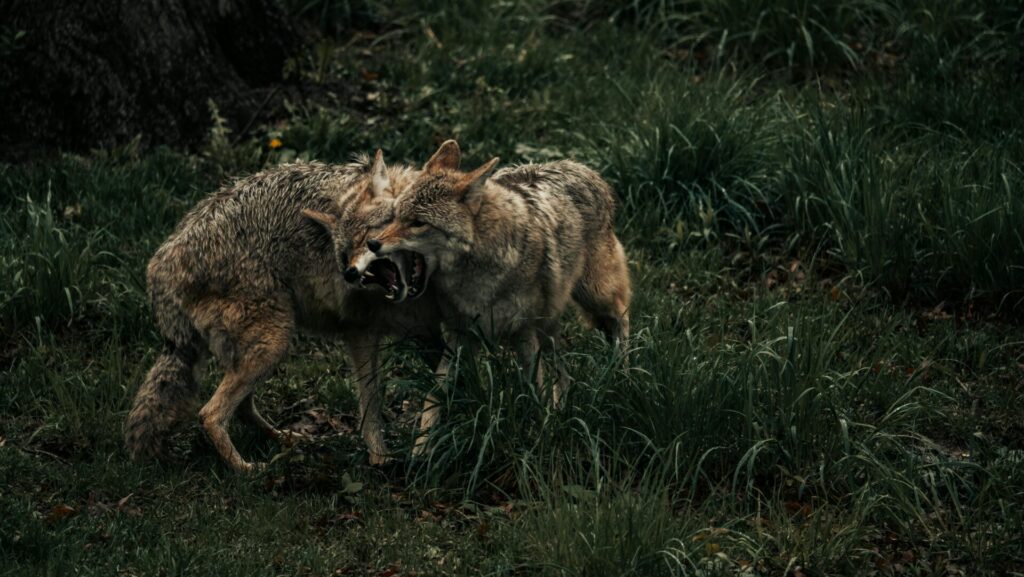
This is the first recorded coyote living on Alcatraz since the island became a national park in 1972. Since then, the site has hosted tourists, protests, and cultural references rather than apex predators. The animal’s presence represents a rare return of large terrestrial wildlife. It also challenges assumptions about urban nature boundaries.
Park Officials Monitor Without Immediate Intervention

The National Park Service confirmed that biologists are actively monitoring the situation. Officials have not announced plans to relocate the animal. Catching the coyote presents logistical challenges given its demonstrated swimming ability. Any intervention remains under consideration.
Wildlife Advocates Urge a Hands Off Approach

Wildlife observers argue that relocation could harm the animal. They emphasize that the coyote poses no danger to humans. Advocates note the effort required to reach the island reflects natural survival instincts. Many believe the animal should be allowed to remain undisturbed.
A Symbol of Urban Wildlife Adaptation

The coyote’s success highlights how wildlife adapts to human altered landscapes. Urban ecosystems increasingly blur the line between natural and constructed environments. Animals continue to exploit unexpected opportunities for survival. Alcatraz has become a striking example of this phenomenon.
What the Alcatraz Coyote Represents

This unusual resident challenges how humans view control over nature. The coyote’s journey and rapid adaptation reveal resilience, intelligence, and ecological balance. As officials deliberate next steps, the animal continues to thrive. Sometimes, nature requires observation rather than intervention.
PetsFanatic Team
Pet Care Expert & Content Creator
Passionate about sharing knowledge and tips for better pet care. Writing about everything from pet health to training techniques.