
Scientists Found Thousands of ‘Giant Eggs’ After Exploring an Underwater Volcano
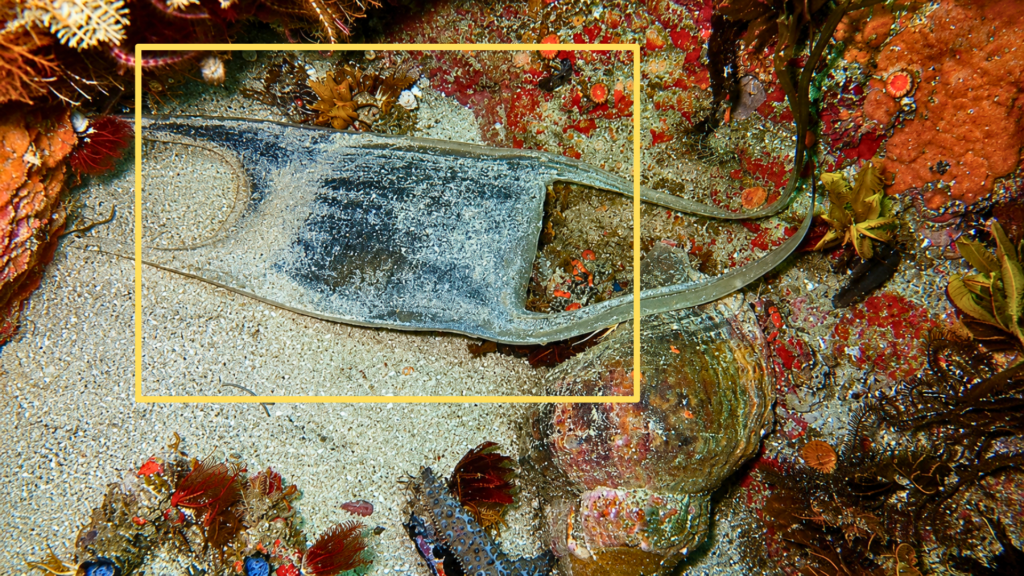
Nearly a mile beneath the Pacific Ocean, scientists expected to find a dead volcano. They found a delivery room instead. Researchers near Canada’s Vancouver Island set out to study what they believed was an extinct seamount, too cold to support much life at all. What they actually found were thousands of giant eggs clustered together, very much alive. The ocean, once again, had a different plan than the one scientists expected.
This “Extinct” Volcano Turned Out to Be Very Alive
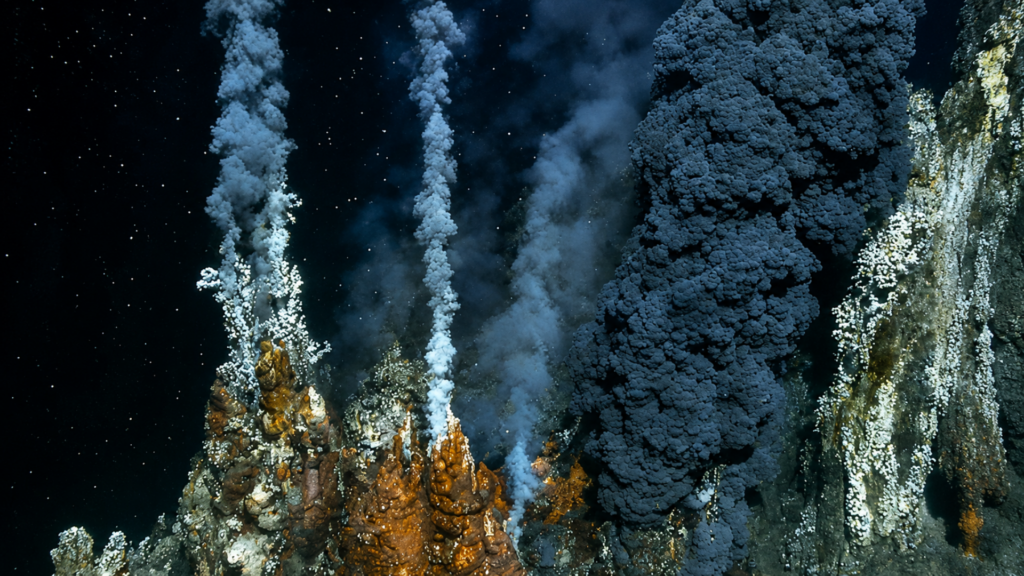
A supposedly dead volcano turned out to be very much active. During a 2019 expedition, deep-sea marine biologist Cherisse Du Preez led a team from Fisheries and Oceans Canada to study a seamount off Vancouver Island. Instead of a lifeless rock formation, they discovered an active volcano quietly releasing warm, mineral rich water into the freezing deep ocean around it. That single detail changed everything about what the team expected to find next.
Thousands of Eggs Covered the Volcano’s Summit
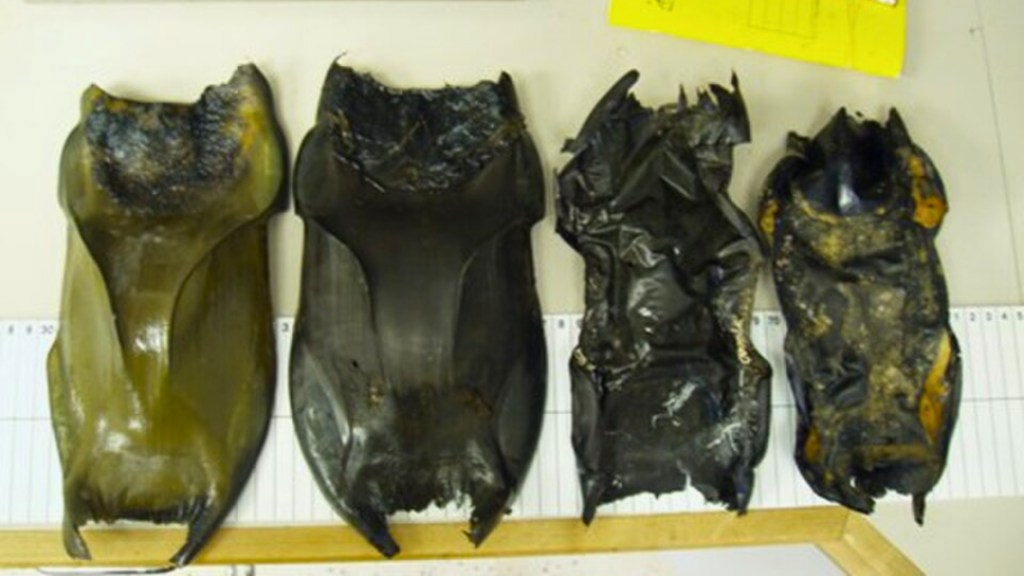
Across the volcano’s summit, researchers found something nobody expected at that depth. Almost a mile below the surface, thousands of giant eggs covered the seafloor, all belonging to a deep-sea species called the Pacific white skate. Finding any life this deep is notable on its own. Finding a nursery of this size clustered around volcanic heat turned the discovery into something far bigger than a routine survey.
This Predator Looks Nothing Like One at First Glance
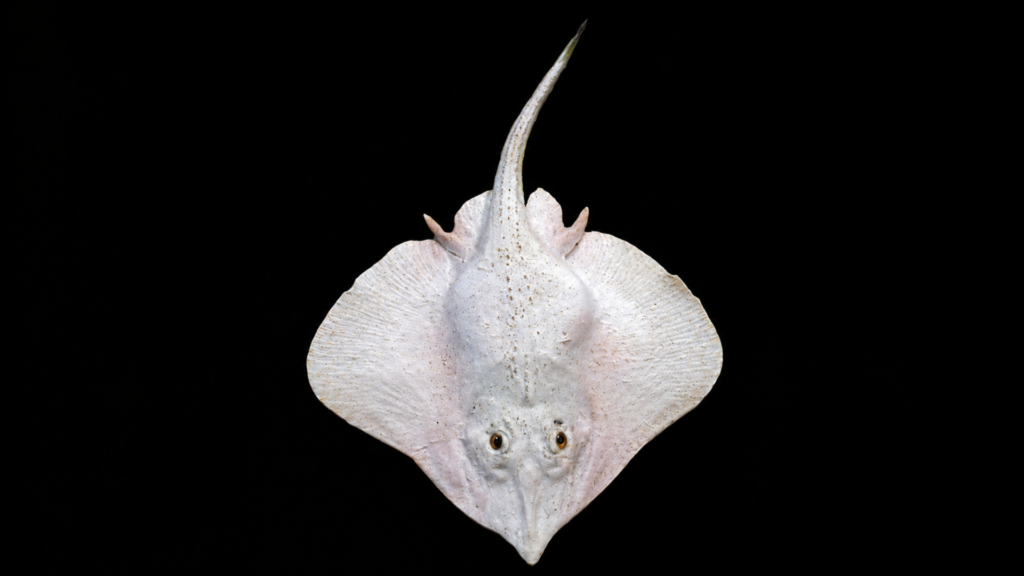
The Pacific white skate is not exactly a household name, even among ocean enthusiasts. Closely related to sharks and rays, this species lives between 2,600 and 9,800 feet underwater, in some of the coldest water the ocean has to offer. Despite an appearance that suggests a bottom feeder, the skate actually hunts deep-sea fish as one of its main food sources. It is a predator built for extreme conditions.
These Skates Share Their Nursery Instead of Guarding It
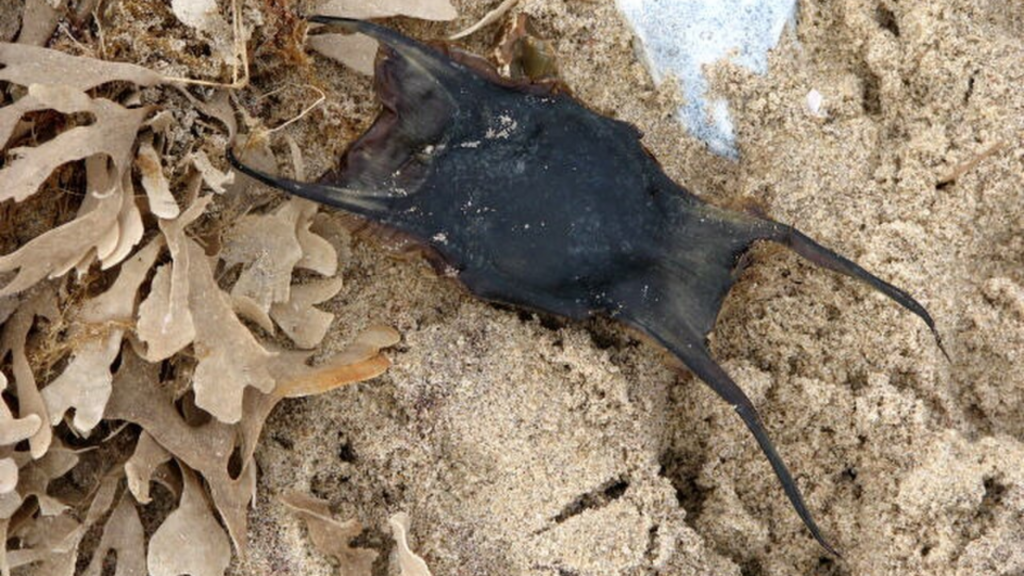
Laying eggs in freezing, resource scarce water is a genuine survival problem for deep-sea creatures. Researchers believe Pacific white skates solved that problem by using hydrothermal vents as natural incubators. Unlike species that guard their nesting sites jealously, these skates share the space, clustering thousands of eggs from dozens of different skates around the same warm vents. That shared nursery approach appears to boost survival odds for every young skate involved.
The Volcano’s Heat May Be Cutting Years Off Development
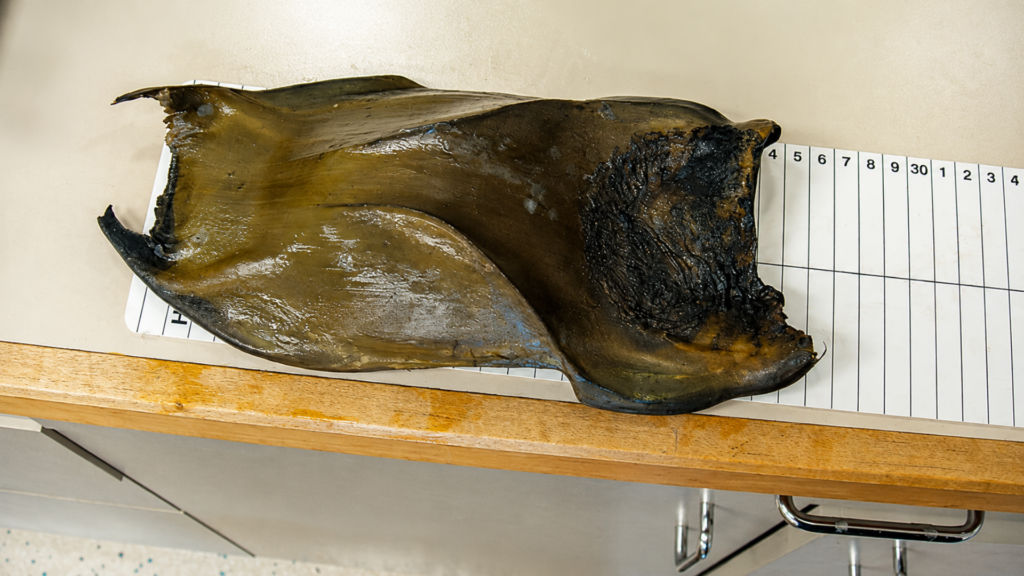
A four year wait for a single egg to hatch is a long time in any ocean. According to Du Preez, “the warm water likely speeds up the gestation period of the eggs,” giving young skates a better shot at survival before they descend into deeper, harsher water. Each egg measures roughly 1.5 feet across and carries a distinctive purse like shape, earning them the nickname mermaid purses among researchers.
This Wasn’t Even the First Time Scientists Found This
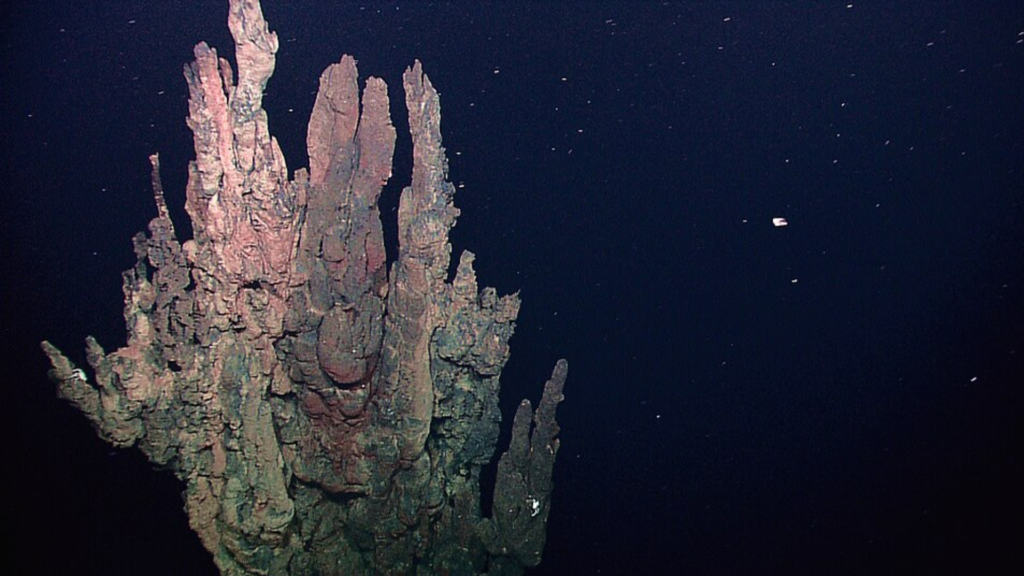
This was not actually the first time scientists had stumbled onto this exact behavior. The very first clutch of these eggs was spotted back in July 2016, when a remotely operated vehicle named Hercules came across yellow eggs near hydrothermal vents. Two years later, in 2018, a separate team found 157 smaller skate eggs near hydrothermal vents in the Galápagos Islands. Different ocean, different research team, same striking conclusion about volcanic nurseries.
Four Years Later, the Volcano Was Still Full of Surprises

Du Preez did not stop studying the site after the initial 2019 discovery. She returned in 2023 for a two week expedition and captured rare live footage of a Pacific white skate in the actual act of laying an egg. The team also found evidence that more than one skate species may be using the same volcanic nursing ground. Four years after the first discovery, the volcano was still revealing new secrets.
Protecting One Volcano Could Protect Far More Than Skates
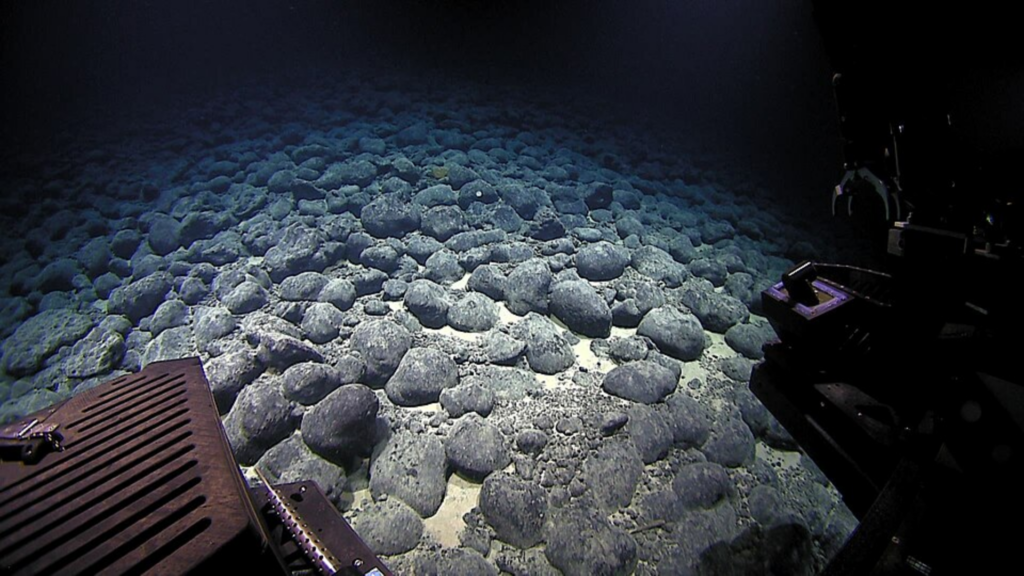
This volcanic nursery matters for more than just one species of skate. Fisheries and Oceans Canada now plans to monitor the area closely, working to protect the seamount and surrounding ecosystem from overfishing that could disrupt this fragile breeding ground. Researchers suspect multiple deep-sea species may rely on similar geothermal pockets to reproduce in an otherwise brutal environment. Protecting one volcano could end up protecting far more than researchers initially realized.
The Delivery Room a Mile Beneath the Pacific Is Still Open
That delivery room a mile beneath the Pacific is still doing exactly what it has likely done for generations, quietly warming thousands of eggs nobody knew existed. What started as a routine survey of a supposedly dead volcano turned into one of the more unusual nurseries scientists have ever documented in the deep sea. The ocean keeps proving it has more going on beneath the surface than anyone assumed, one warm vent at a time.
PetsFanatic Team
Pet Care Expert & Content Creator
Passionate about sharing knowledge and tips for better pet care. Writing about everything from pet health to training techniques.