
U.S. Cattle Herd Drops To Lowest Level Since 1951, Driving Retail Beef Prices To Record Highs

The United States cattle herd has fallen to its lowest level since 1951, creating significant pressure on beef supplies and driving retail prices to record highs. According to USDA data, the nation began 2026 with approximately 86.2 million head of cattle, the smallest inventory in 75 years. As supplies tighten, consumers are paying more for everything from ground beef to steaks, while ranchers face difficult decisions about rebuilding herds amid ongoing economic and environmental challenges. Experts warn that relief may still be years away as the cattle industry works through one of its most severe contractions in decades.
The U.S. Herd Has Reached a 75-Year Low

Federal livestock inventories show the U.S. cattle population has fallen to levels not seen since the early 1950s. The decline reflects years of shrinking herd sizes across major cattle-producing states. While beef remains one of America’s most popular protein sources, fewer animals are available for processing and sale. Industry analysts say the current cattle shortage is among the most significant supply challenges the sector has faced in generations.
Beef Prices Are Climbing to Record Levels

The shrinking cattle supply is having a direct impact on consumers. Ground beef prices have surged to record levels, with many shoppers paying substantially more than they did just a few years ago. Beef and veal prices have risen much faster than many other grocery categories, making beef one of the most expensive items in many household food budgets. Industry experts expect elevated prices to continue as long as cattle inventories remain historically low.
Drought Has Played a Major Role

One of the biggest factors behind the herd decline has been prolonged drought across key ranching regions. Dry conditions have reduced available grazing land and increased feed costs, forcing many ranchers to sell animals rather than maintain or expand their herds. In states such as Texas, years of drought have placed enormous financial pressure on cattle producers, accelerating herd reductions and limiting future growth opportunities.
Rising Costs Are Hurting Ranchers

Even though cattle prices have reached historic highs, many ranchers say their expenses have risen just as quickly. Costs for feed, fuel, equipment, fertilizer, land, and borrowing have increased significantly in recent years. As a result, many producers are earning less profit than consumers might expect despite higher market prices. Some ranchers describe the industry’s current situation as financially fragile despite the strong cattle market.
Rebuilding Herds Is a Slow Process

Unlike other agricultural sectors, cattle production cannot be expanded quickly. Ranchers must retain breeding cows and replacement heifers rather than sending them to market, a process that takes years before additional beef reaches grocery stores. Analysts estimate that meaningful increases in beef supplies may not occur until 2028 or later, even if producers begin rebuilding herds immediately. This lengthy cycle means high prices could persist for several more years.
Strong Consumer Demand Continues

Despite rising prices, Americans continue to purchase large amounts of beef. Demand has remained remarkably resilient, helping support high cattle values throughout the supply chain. Consumers may be paying more at the checkout counter, but many have not significantly reduced beef consumption. This strong demand has contributed to ongoing supply pressures and helped sustain elevated prices.
Additional Challenges Are Emerging

The industry is also dealing with new threats beyond drought and costs. Concerns have grown over the spread of the New World screwworm, a flesh-eating parasite that recently prompted restrictions on cattle imports from Mexico. The disruption has further tightened cattle supplies and added uncertainty to an already strained market. Livestock producers fear that additional outbreaks could create even more pressure on production and prices.
The Impact Extends Beyond Ranches

The cattle shortage is affecting every stage of the beef supply chain. Meat processors, retailers, restaurants, and consumers are all feeling the effects of limited supplies and higher costs. Some major meatpacking companies have reported financial strain despite high retail prices because reduced cattle availability limits processing volumes. The shortage demonstrates how challenges on ranches can ripple throughout the broader food economy.
High Beef Prices May Be Here for a While
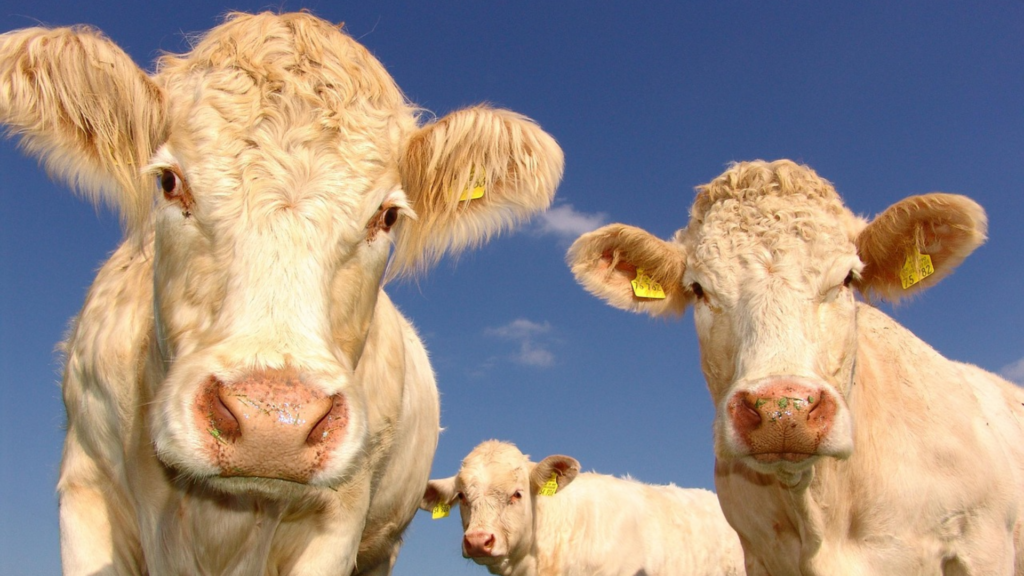
The U.S. cattle industry is facing a historic supply crunch as herd numbers fall to their lowest level since 1951. Years of drought, rising operating costs, shrinking ranching capacity, and new livestock health concerns have combined to create a prolonged shortage that is pushing beef prices to record highs. While ranchers are beginning to consider rebuilding herds, the process takes years and offers no quick solution. For consumers, that means higher prices at grocery stores and restaurants could remain a reality well into the future as the industry works toward recovery.
PetsFanatic Team
Pet Care Expert & Content Creator
Passionate about sharing knowledge and tips for better pet care. Writing about everything from pet health to training techniques.