
Two Orcas Singlehandedly Destroyed the Great White Capital of the World

In 2024, two male orcas gained fame for attacking great white sharks in South Africa. The pair became of great scientific interest due to the fascinating and intelligent method of attack. Now, scientists are seeing the implications that the collapsing population of white sharks has on the ecosystems of the South African Bay.
Port and Starboard: No Ordinary Orcas
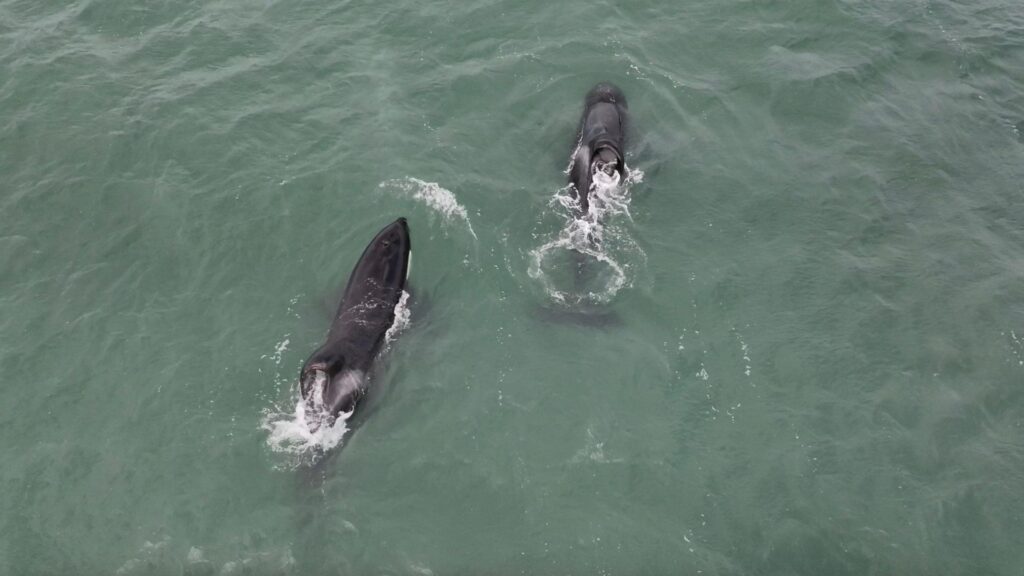
It is no secret that killer whales are highly intelligent predators, with a long history of feeding on a variety of prey, including sharks. But these two male orcas in the waters off he southern coast of South Africa became extremely well-known for a fascinating, if not horrifying, method of attack. The pair appears to have a distinct taste for liver.
A Unique Method of Attack

One whale would render the shark paralyzed by flipping it over, while the other one would attack the stomach and eat only the liver. As more and more of these liver-less carcasses started to wash ashore, scientists began to grow increasingly interested in this method of attack and the motivation for eating the liver and leaving the rest of the body.
A Previously Thriving Population of Great Whites

South Africa was previously an extremely highly populated area for great white sharks, and these animals were part of a thriving ecosystem. In fact, in the 2010s, there were between 800 and 1,000 great white sharks living in Gansbaai on the Western Cape. However, sharks started to disappear as the attacks on sharks increased. By June 2021, 6 carcasses had been found, and hardly any great white were spotted in the area for another year.
Impact on Shark Population

As a result of the vicious attacks, there are few to no great white sharks anywhere in Mossel Bay. One researcher explained, “Since the 2023 incident, they haven’t returned in any meaningful way. As far as I know, there have been fewer than 10 confirmed observations in 2024”. This reality has concerning implications for the area’s ecosystems.
Impact on Ecosystems

When a predator as high up in the food chain as a great white disappears from the ecosystem, it has massive implications for many of the species below it. Scientists are already starting to observe stark shifts in many other marine species in the area.
Shift in Seal Behavior

Without their natural predator, the cape fur seal and bronze whaler shark populations have exploded in South Africa. Researchers have observed the seals becoming bolder and feeding on endangered animals, including the critically endangered African penguins.
Spread of Rabies

Interestingly, the absence of sharks can also mean the spread of disease. Some of the seals in the Western Cape and in Mossel Bay have been infected with rabies. A shark researcher explained that if the shark populations hadn’t been destroyed, they likely would have helped keep the rabies infection spread to a minimum, because infected seals would be easy targets for food.
An Unbalanced Ecosystem

An unbalanced ecosystem can be detrimental to some populations. Without the natural predator, many prey species could change their behaviors, and it is hard to predict the implications of these changes. Each piece of the ecosystem is important for it to survive and thrive.
Conclusion

The blame isn’t left entirely to Port and Starboard, as overfishing kills millions of sharks each year. If overfishing continues at the current rate, the future of sharks everywhere is uncertain.
PetsFanatic Team
Pet Care Expert & Content Creator
Passionate about sharing knowledge and tips for better pet care. Writing about everything from pet health to training techniques.