
Trump’s Alaska Oil Push Could Put Polar Bears and Walruses at Risk While Protecting Companies From Liability
As the Trump administration accelerates efforts to increase domestic energy production, Alaska has emerged as one of the central pillars of that strategy. Executive actions issued early in the administration called for expanding resource development across the state, including oil and gas leasing, permitting, and infrastructure projects intended to unlock what officials describe as Alaska’s vast untapped energy potential.
The push comes as Alaska’s oil sector shows signs of renewed growth after years of decline. According to the U.S. Energy Information Administration, Alaska crude production is projected to increase by 13% in 2026, marking the largest annual gain since the 1980s. New North Slope developments, including the Nuna and Pikka projects, are expected to drive much of that increase and help lift statewide production to its highest level since 2018.
That resurgence has been accompanied by broader efforts to streamline development across Alaska’s Arctic regions. Administration officials and industry leaders argue that expanding production can strengthen energy security, create jobs, and increase domestic supply. Critics, however, contend that faster development may come at a significant cost for some of the Arctic’s most vulnerable wildlife populations.
The Rule That Sparked Concern

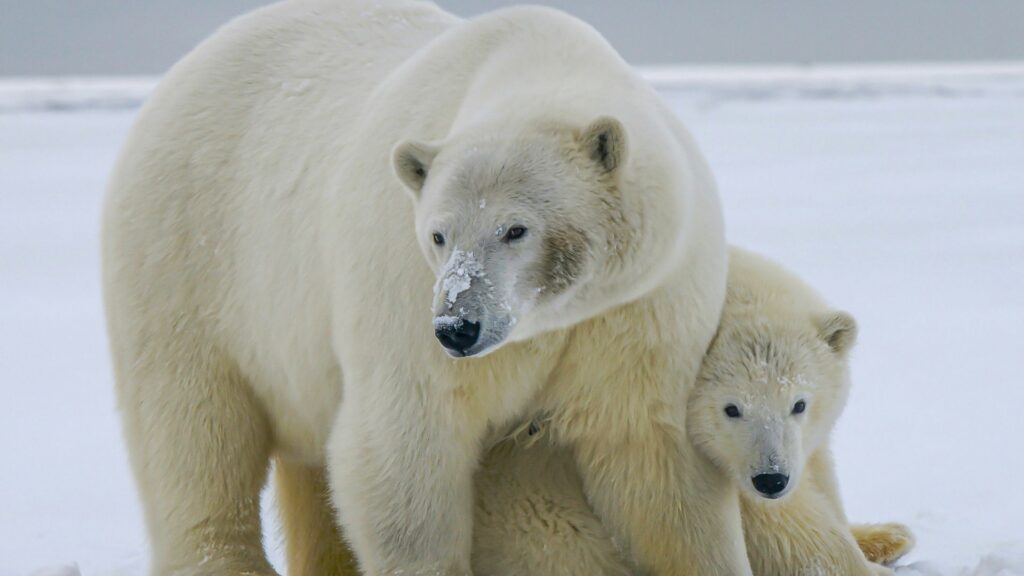
At the center of the debate is a proposed Fish and Wildlife Service rule covering oil and gas operations in Alaska’s Beaufort Sea region and adjacent North Slope. The proposal would establish a new five-year framework governing the incidental, unintentional “take” of polar bears and Pacific walruses during exploration, production, transportation, and other industry activities.
Under the Marine Mammal Protection Act, “take” is a broad legal term that includes harassment, disturbance, injury, and killing. Federal regulators emphasize that the proposal is not designed to authorize intentional harm and that no lethal impacts are anticipated. The agency argues that any effects on polar bears and walruses would be limited, affect only small numbers of animals, and have a negligible impact on overall populations.
Yet the proposal has drawn attention because regulators are considering whether incidental take authorizations should encompass all forms of take resulting from approved activities. Previous versions of Beaufort Sea regulations generally prohibited incidental lethal take, while focusing primarily on harassment and disturbance. The latest proposal opens a discussion about whether broader interpretations of the law could apply in future authorizations.
The rule was requested by the Alaska Oil and Gas Association on behalf of numerous energy companies operating on the North Slope. If finalized, participating companies could seek letters of authorization covering specific activities over the next five years, provided they comply with mitigation, monitoring, and reporting requirements established by federal regulators.
Why Polar Bears and Walruses Are Part of the Debate

The concerns surrounding the proposal stem largely from how industrial activity can affect wildlife even when animals are not directly harmed. Federal documents acknowledge that disturbances during denning season could, in rare circumstances, cause female polar bears to abandon cubs. If cubs are left behind before they can survive independently, mortality could result.
Walruses face different risks. Regulators note that aircraft noise, vessel traffic, and other industrial activity can sometimes trigger stampedes at walrus haul-out sites. In such events, animals may be trampled by others in the herd. Federal assessments also identify the possibility of vessel strikes, although such incidents are considered unlikely.
Environmental organizations argue that these risks deserve heightened scrutiny because Arctic species are already confronting mounting pressures from climate change and habitat loss. Conservation advocates point to the Southern Beaufort Sea polar bear population, which has experienced substantial declines over recent decades, as evidence that even small additional stresses can have outsized consequences.
Industry representatives and federal officials counter that decades of oil and gas activity on Alaska’s North Slope have generated extensive monitoring data. They maintain that documented impacts have remained limited and that mitigation measures are designed specifically to reduce encounters with wildlife. Industry leaders also stress that neither companies nor regulators expect lethal incidents to occur as a result of routine operations.
Liability Protections and the Bigger Picture

Perhaps the most controversial aspect of the proposal is not the possibility of wildlife impacts themselves but the legal protections that accompany incidental take authorizations. If companies receive authorization under the regulatory framework and comply with permit requirements, they are generally shielded from liability for covered incidental impacts that occur during approved operations.
Supporters view that protection as a practical necessity. Without incidental take regulations, companies operating in areas inhabited by protected marine mammals could face significant legal uncertainty, even when conducting otherwise lawful activities. Industry groups argue that the framework provides clear rules, accountability measures, and conservation requirements while allowing economic activity to proceed.
Opponents see the issue differently. They argue that expanding drilling while simultaneously broadening liability protections risks weakening safeguards for species that are already under pressure. Some environmental advocates have warned that the proposal fits into a larger pattern of policies designed to accelerate development across Alaska’s Arctic landscapes while reducing regulatory barriers.
The debate ultimately reflects a longstanding tension that has shaped Alaska policy for decades. The state holds enormous energy resources and remains a critical contributor to U.S. oil production, yet it is also home to globally significant wildlife populations and fragile Arctic ecosystems. As federal regulators weigh public comments and move toward a final decision, the challenge will be balancing those competing priorities in a region where economic ambitions and environmental stewardship remain deeply intertwined.
PetsFanatic Team
Pet Care Expert & Content Creator
Passionate about sharing knowledge and tips for better pet care. Writing about everything from pet health to training techniques.