
Trump Moves to ‘Unleash’ Commercial Fishing in Protected Atlantic Waters
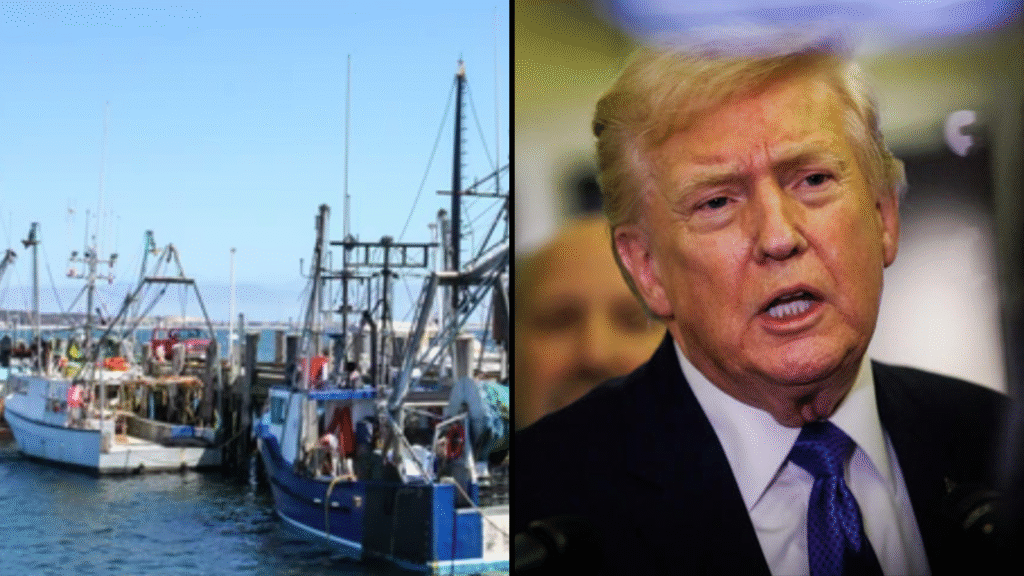
A single presidential signature has reopened a long-simmering battle between economic revival and environmental protection. President Donald Trump has moved to reinstate commercial fishing in a vast stretch of Atlantic waters that had been off-limits for nearly a decade. Supporters call it a lifeline for struggling fishing communities. Critics say it risks unraveling years of conservation overnight.
The decision reverses protections put in place during the Obama administration and targets one of the most sensitive marine areas in U.S. waters. Trump framed the move as a victory for fishermen and regional economies, especially in New England, while portraying environmental restrictions as unnecessary obstacles imposed by political opponents.
Almost immediately, the announcement sparked sharp reactions on both sides. Fishing industry groups celebrated new access to lucrative waters, while environmental organizations warned the move could permanently damage fragile ecosystems that scientists consider irreplaceable.
What Exactly Changed in the Atlantic

The proclamation opens the Northeast Canyons and Seamounts Marine National Monument to commercial fishing. Located about 130 miles southeast of Cape Cod, the protected zone spans nearly 5,000 square miles, roughly the size of Connecticut. It is the only marine national monument in the Atlantic Ocean.
Established in 2016, the monument was designed to protect deep-sea canyons, underwater mountains, and rare habitats that host endangered whales, dolphins, sea turtles, seabirds, and ancient cold-water corals. Scientists have described it as a living laboratory, largely untouched by industrial activity.
Under Trump’s order, all of that protected territory will be reopened to commercial fishing operations. The White House says the move restores access that was unfairly taken away and aligns with the administration’s broader push to increase domestic seafood production.
Why Trump Says This Is an ‘America First’ Move
Trump has tied the decision to his America First Fishing Policy, arguing that U.S. fishermen are overregulated while foreign competitors gain ground. He claims reopening the waters will revitalize coastal economies, boost food security, and reduce reliance on imported seafood.
Industry groups echoed that message, insisting American commercial fishermen operate under strict environmental rules and can fish responsibly without destroying ecosystems. For ports in New England, they say, access to richer fishing grounds could mean jobs, revenue, and long-term survival.
Politically, the move also doubles as a campaign message. Trump explicitly urged New England voters to remember who reopened the waters, framing the decision as proof that Republican leadership delivers economic relief where Democrats impose restrictions.
The Environmental Backlash and What Comes Next

Environmental groups reacted swiftly, warning the proclamation could face legal challenges. Conservation advocates argue the monument’s protections are lawful and necessary, and that reopening it threatens species already stressed by climate change, shipping traffic, and ocean warming.
Marine scientists have cautioned that deep-sea ecosystems recover extremely slowly. Damage to corals and seamount habitats can take centuries to heal, if recovery is possible at all. Critics say once industrial fishing begins, the loss could be permanent.
Trump has suggested fishing access could resume as early as May, setting the stage for a rapid showdown between regulators, environmental groups, and industry. Whether the move stands or is halted by courts, it marks a turning point in how the U.S. balances economic expansion against ocean conservation.
PetsFanatic Team
Pet Care Expert & Content Creator
Passionate about sharing knowledge and tips for better pet care. Writing about everything from pet health to training techniques.