
Trump Admin is Being Sued Over One of Washington’s Rarest (and Cutest) Animals

The Center for Biological Diversity filed a lawsuit Wednesday against the Trump administration for refusing to address a declining wildlife population near Olympic National Park. The national nonprofit first petitioned in May 2024 to protect this rare, endemic species under the Endangered Species Act. Found exclusively throughout the Olympic Peninsula, the animal faces mounting threats from climate change and expanding predator populations. The lawsuit targets the U.S. Fish and Wildlife Service for missing a mandatory deadline to investigate the decline.
Olympic Marmots Face Climate and Predator Threats

The species in question is the Olympic marmot, which lives only on the Olympic Peninsula. “These adorable Pacific Northwest marmots need Endangered Species Act protections because not even the mighty Olympic Mountains can shield them from climate change and coyotes,” Aaron Kunkler, a senior media specialist with the Center for Biological Diversity, said in a news release. The marmots inhabit subalpine and alpine meadows, spending their days eating wildflowers, sunning on rocks, or whistling alarm calls when predators approach.
Over Ninety Percent Live Within Park Boundaries

More than 90% of the global Olympic marmot population lives within Olympic National Park boundaries, and those numbers dropped severely during the 1990s and early 2000s. Federal programs to eradicate wolf populations in the West expanded coyote range throughout the Pacific Northwest, increasing marmot predation. The population has also suffered habitat loss due to climate change and prolonged wildfire seasons in the region.
Cascades Marmots Face Similar Decline

The same climate and habitat issues driving Olympic marmot decline are affecting a different marmot species in the North Cascades. John Bridge, president of Olympic Park Advocates, has hiked the Olympic Peninsula for decades and observed numerous marmots in the park and on trails around his Sequim home. “There are plenty of interesting critters around here, but the marmots are something special,” he told SFGATE.
Hibernation Requires Intense Summer Feeding
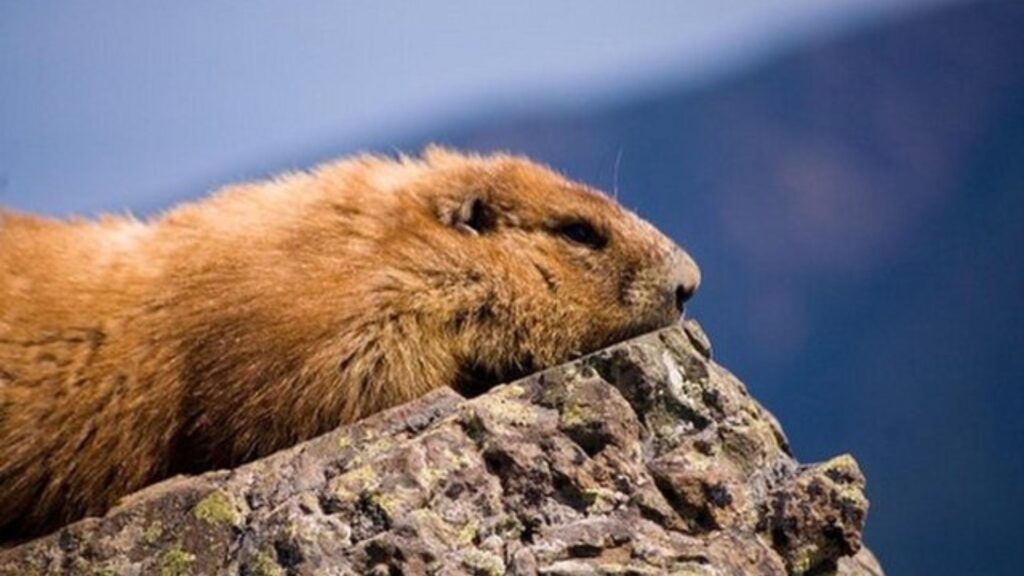
“This is their kingdom, and they know how to make a living here despite the harsh environment in the winter,” Bridge said. Marmots spend late summer consuming as much food as possible before hibernating from mid-October through May. Despite the western Olympic Peninsula’s reputation for intense rainfall, the eastern mountains have grown increasingly dry over the past decade, Bridge noted. Drier conditions mean less vegetation available when marmots need to fatten up for hibernation.
Volunteers Monitor Known Burrows Across the Park

“There are less and less of them out this way, and I’m worried about their future,” Bridge said. He has participated in the park’s voluntary marmot monitoring program for the past decade. Park officials train volunteers to locate and record marmots, then send them into the park on day trips and overnight backpacking excursions to check known burrows. The Center for Biological Diversity estimates only 2,000 to 4,000 Olympic marmots remain in the wild.
Shrinking Snowpack Threatens Meadow Habitat

Reduced snowpack in the area means alpine meadows will eventually convert to forests, eliminating familiar food sources for marmots and providing predators more hiding places. Park Service officials did not respond to SFGATE’s questions about Olympic marmots, likely due to the ongoing federal government shutdown. The latest available park data is from 2022 and highlights fluctuating numbers of abandoned marmot burrows.
Wolf Reintroduction Could Push Out Coyote Packs

The nonprofit suggests reintroducing gray wolves to the region as one survival strategy, which would push out growing coyote packs. Gray wolves have rebounded throughout northeastern California, but Pacific Northwest reintroduction has progressed slowly. The Trump administration’s recent decision to block gray wolf imports from Canada, where they are more abundant, complicates reintroduction efforts further. This policy directly impacts potential solutions for protecting the declining marmot population.
Administration Priorities Create Conservation Obstacles

“Doing this sort of work is particularly hard under this administration,” Bridge said. “You think they don’t understand, but no, they just don’t care. This isn’t something they feel is important, and it’s truly a shame.” His statement reflects growing frustration among conservationists working to protect vulnerable species while facing what they characterize as federal indifference to environmental protection efforts.
Recovery Plan Awaits Federal Response

If the Fish and Wildlife Service responds to the petition or lawsuit and decides to protect Olympic marmots, officials would craft a recovery plan under the Endangered Species Act. The mandatory deadline the agency missed was established specifically to ensure timely responses to species facing decline. Without federal protection and coordinated conservation efforts, this endemic Washington species faces an uncertain future as climate change and predation pressures continue mounting.
PetsFanatic Team
Pet Care Expert & Content Creator
Passionate about sharing knowledge and tips for better pet care. Writing about everything from pet health to training techniques.