
Town Officials Find Creative Way to Rid Lake of 50,000 Goldfish
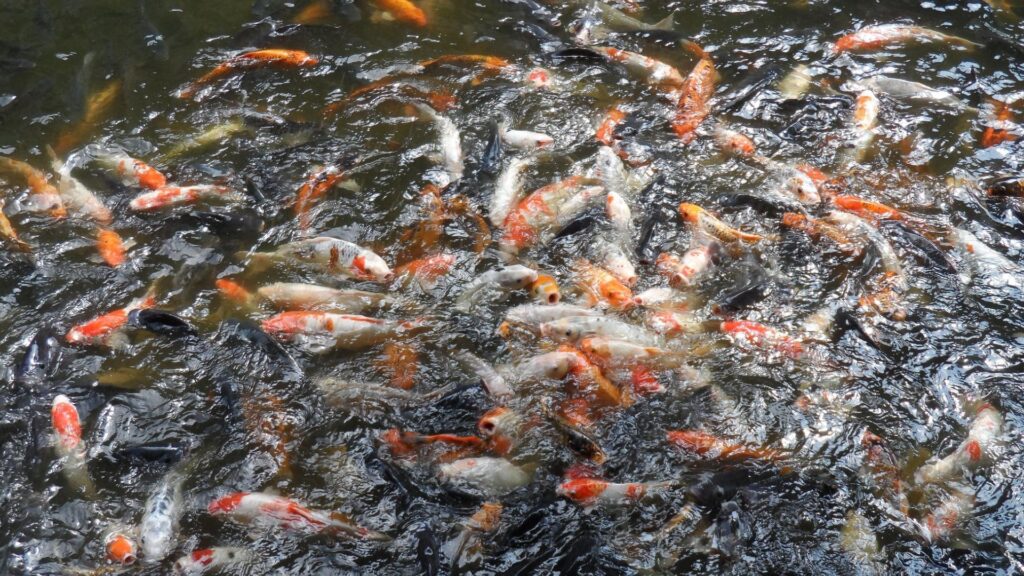
In Edina, Minnesota, a calm neighborhood lake became an unexpected environmental story. Lake Cornelia, once a local favorite for fishing and leisure, was soon overtaken by thousands of goldfish dumped by pet owners. What began as an ecological problem turned into a creative partnership that gave these invasive fish a new role, feeding animals at the Minnesota Zoo.
A Lake Overrun

The trouble started when pet goldfish released into the lake began multiplying rapidly. Their population exploded, outcompeting native fish and clouding the water. Within months, the lake’s clear surface turned murky, and recreational activities had to stop.
Unexpected Mutations

Officials discovered that the goldfish weren’t just reproducing, they were growing larger than ever. Some doubled in size, creating a strange imbalance in the ecosystem. Even after removing thousands of fish, the total weight remained nearly the same because the remaining ones kept getting bigger.
The Cleanup Effort

To restore balance, local crews began casting nets weekly to remove the invaders. They carefully freed native fish before hauling away the massive goldfish. Workers described the lake as a “writhing mass of fish,” a clear sign of how severe the situation had become.
An Idea Takes Shape

Instead of disposing of the captured fish, officials looked for a sustainable alternative. That’s when the Minnesota Zoo stepped in, suggesting that the invasive goldfish could be repurposed as animal feed. The idea offered both an ecological and a practical solution.
The Zoo’s New Menu

At the zoo, the reaction was mixed. Otters, sea lions, and brown bears eagerly devoured the new meal, while tigers and leopards turned it down. Zookeepers said it might take time for some animals to adjust, but most saw the experiment as a step toward sustainable feeding practices.
A Lesson in Ecology
The goldfish invasion was more than a nuisance, it was a lesson in environmental cause and effect. Invasive species like these can stir up lake sediments, release phosphorus, and create algae blooms that threaten the entire ecosystem. A small act, like releasing a pet, can ripple far beyond its original intent.
Creative Conservation

Other communities are exploring similar ways to tackle invasive species. Some have begun serving blue catfish, lionfish, and snakeheads in restaurants, turning ecological problems into food sources. These approaches blend conservation with innovation, giving nature a chance to recover.
Local Benefits, Global Message

For the Minnesota Zoo, using local invasive fish means relying less on overfished species. It also adds variety to animal diets, promoting a more balanced approach to wildlife nutrition. The partnership with Edina became a model for how small local changes can support broader environmental goals.
A Win-Win for Nature

The collaboration between the town and the zoo shows how creativity can transform crisis into opportunity. Cleaning the lake helps restore native habitats, while the zoo gains a sustainable food source. In the end, Lake Cornelia’s story became a hopeful reminder that even ecological challenges can lead to meaningful solutions when communities work together.
PetsFanatic Team
Pet Care Expert & Content Creator
Passionate about sharing knowledge and tips for better pet care. Writing about everything from pet health to training techniques.