
Torrential Rain Triggers Massive Slug Surge After Heatwaves, Raising Concerns for Gardeners

After weeks of scorching sunshine and record-breaking heat, many gardeners were celebrating one of the earliest and healthiest starts to the growing season in years. Strawberries ripened ahead of schedule, vegetable seedlings flourished, and garden beds appeared largely free of one of their most persistent enemies: slugs.
But the recent shift from drought-like conditions to torrential rain has changed the outlook dramatically. Experts say the sudden return of moisture is creating ideal conditions for slugs and snails that have spent much of the spring hidden underground. Now emerging in large numbers, the hungry mollusks are expected to target some of the season’s most vulnerable crops.
The Royal Horticultural Society (RHS) says gardeners should prepare for a wave of slug activity as damp soil and cooler temperatures encourage the creatures to resume feeding. The timing is particularly unfortunate, arriving just as strawberries, lettuces, beans, and other tender plants enter critical growth stages.
Why Rain After Heatwaves Creates the Perfect Storm

While slugs are a familiar sight in many gardens, prolonged dry weather forces them into hiding. Their soft bodies are highly vulnerable to dehydration, causing them to seek shelter underground or beneath debris until conditions improve.
The recent combination of heatwaves followed by intense rainfall has effectively created a delayed population surge. Experts explain that many slugs survived the dry spring by remaining dormant, only to reappear once moisture returned. Wet weather not only improves their chances of survival but also supports reproduction and feeding activity.
For gardeners, that means large numbers of slugs may emerge simultaneously rather than gradually throughout the season. The result is a concentrated wave of feeding pressure on crops that have already benefited from unusually favorable growing conditions. What began as an excellent season for fruit and vegetables could quickly become a frustrating battle against hungry garden visitors.
Strawberries and Young Crops Face the Biggest Threat
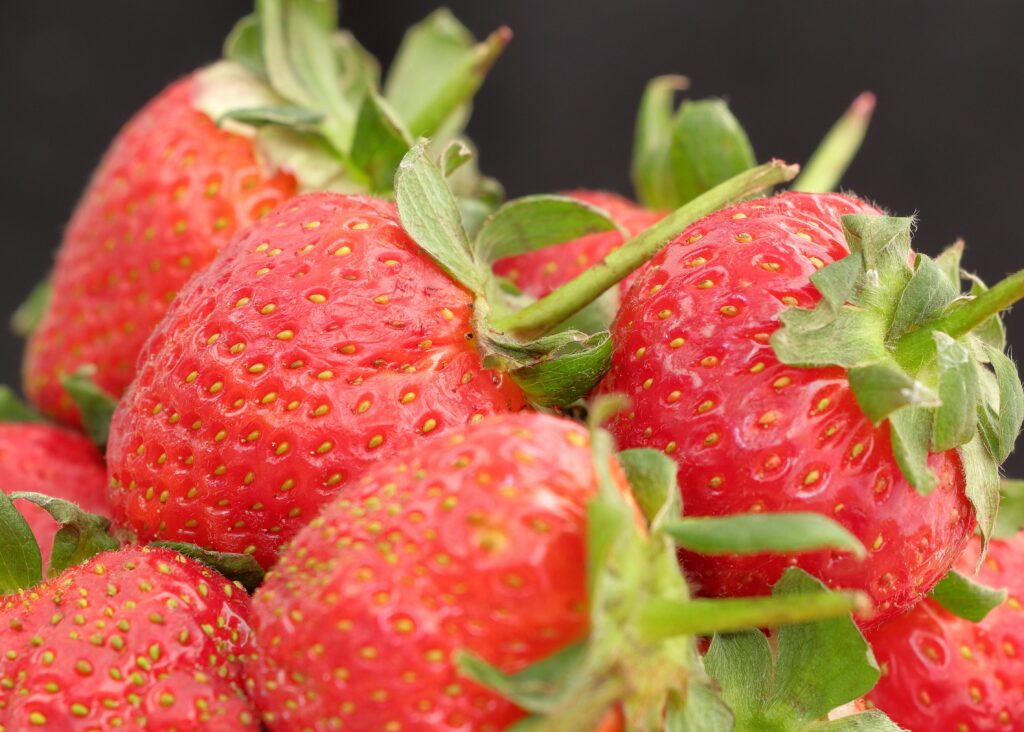
Strawberries are expected to be among the hardest-hit crops. Warm spring temperatures accelerated fruit production, leaving ripe berries exposed just as slug numbers are rising. Unlike minor leaf damage, feeding on ripening fruit can make strawberries unsuitable for harvesting and attract additional pests.
Agricultural experts note that slugs are particularly active at night and during the early morning hours. Their feeding often leaves distinctive holes in fruit and foliage, along with visible slime trails. Young seedlings are also at risk, as even limited feeding can slow growth and weaken plants during a critical developmental stage.
Vegetables such as lettuce, beans, and carrots may also become targets. While only a fraction of slug species are considered major garden pests, those species can cause significant damage when environmental conditions favor rapid population growth. For gardeners who have spent months nurturing crops, the return of wet weather could bring an unwelcome setback.
Fighting Back Without Harming the Ecosystem

Despite their reputation, experts caution against viewing all slugs as villains. Many species play an important role in ecosystems by breaking down decaying plant material, recycling nutrients, and contributing to healthy soil. The RHS now encourages gardeners to manage slugs responsibly rather than relying on widespread eradication.
Several non-lethal strategies can help protect vulnerable plants. Gardeners are advised to place straw around strawberry plants, as slugs dislike crossing rough, dry surfaces. Raising seedlings off the ground, using protective cloches, and conducting evening slug searches can also reduce damage. Relocating slugs to compost heaps allows them to continue their ecological role while limiting harm to crops.
Encouraging natural predators such as birds, frogs, and hedgehogs may provide longer-term control. Experts also warn against using traditional slug pellets, which can harm other wildlife. As gardens adapt to increasingly unpredictable weather patterns, balancing crop protection with biodiversity may become an increasingly important part of successful gardening.
PetsFanatic Team
Pet Care Expert & Content Creator
Passionate about sharing knowledge and tips for better pet care. Writing about everything from pet health to training techniques.