
To Save California’s Giant Sequoias from Wildfires, Scientists Recommend Setting More Fires

It sounds backward, but a new study says carefully planned fires may be one of the strongest defenses California’s giant sequoias have against catastrophic wildfires. Published July 11, 2026, in Nature Communications, the research found that sequoias exposed to prescribed fire during the previous decade were nearly four times more likely to survive the Castle Fire of 2020 and the KNP Complex Fire of 2021 than untreated trees in the same groves. Lead author Dan Dixon said prescribed fire is an “essential tool” for managers trying to protect the species.
Giant Sequoias Evolved With Fire, Not Without It

For thousands of years, fire was a natural part of sequoia forests. Frequent, low-intensity fires cleared away undergrowth, recycled nutrients into the soil, and created the open, sunny conditions young sequoias need to grow. The trees themselves developed thick, fire-resistant bark that allows mature sequoias to survive fires that would kill many other species. Scientists say the problem today is not that forests burn, but that they have gone too long without burning.
Decades of Fire Suppression Changed the Forest

Throughout much of the 20th century, land managers focused on extinguishing wildfires as quickly as possible. While the policy protected communities and timber resources, it also allowed dead wood, shrubs and young trees to accumulate across many forests. Those extra fuels now help modern wildfires burn hotter, spread faster and climb into the forest canopy, creating conditions that even giant sequoias struggle to survive.
Recent Wildfires Showed Even Ancient Trees Have Limits
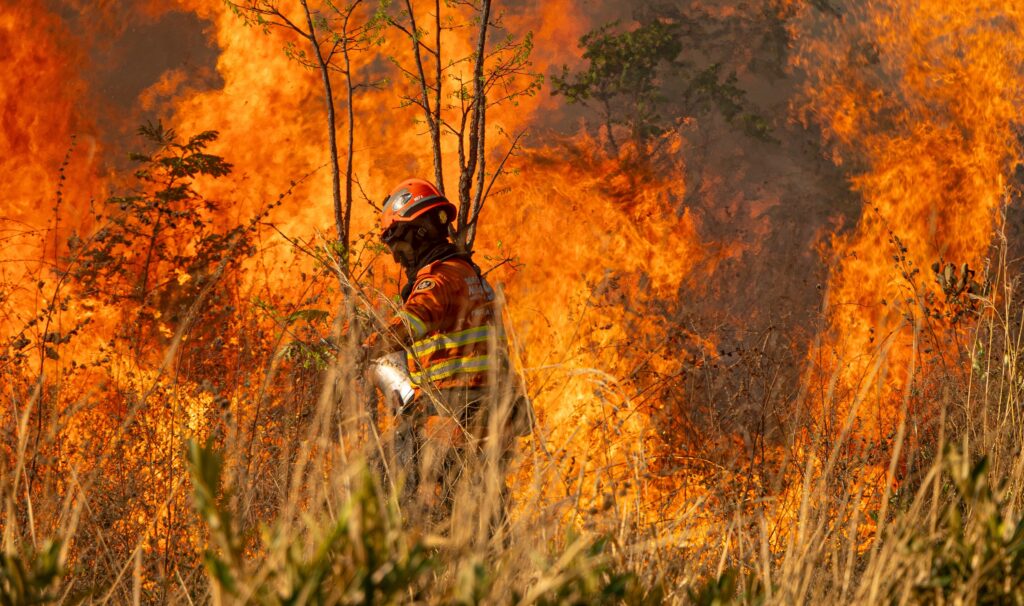
The Castle Fire in 2020 and the KNP Complex and Windy fires in 2021 killed thousands of mature giant sequoias, marking one of the greatest losses of the species in recorded history. Scientists say these fires burned with an intensity rarely seen in historical sequoia groves because decades of accumulated vegetation allowed flames to become far more destructive than the low-intensity fires the trees evolved alongside.
Prescribed Burns Work by Removing the Fuel First

Unlike uncontrolled wildfires, prescribed fires are planned months in advance. Fire managers choose weather conditions, humidity, wind speed, and fuel moisture that allow flames to stay relatively low and manageable. By burning leaves, fallen branches and small trees before wildfire season, these operations reduce the amount of fuel available when lightning strikes or accidental fires occur.
Fire Isn’t the Only Tool Scientists Use

Prescribed burning is often paired with mechanical thinning, where crews remove smaller trees and dense vegetation before conducting a controlled burn. Together, these methods can restore forests closer to their historical structure while making prescribed fires safer to conduct. Scientists say combining both approaches is often more effective than relying on either one alone.
Controlled Fires Still Carry Risks

Even carefully planned burns are not without challenges. Smoke can affect nearby communities, changing weather conditions can force burns to be postponed, and there is always a small risk that a prescribed fire could escape its planned boundaries. Because of those concerns, agencies carefully monitor weather forecasts, establish containment lines, and keep firefighting crews on site throughout the operation.
Scientists Say Waiting Can Be Even Riskier

Although prescribed fires may temporarily inconvenience nearby residents, researchers argue that delaying treatment allows forests to become even more vulnerable to catastrophic fires. Each year without fuel reduction increases the amount of combustible vegetation, making future wildfires harder to control and more likely to threaten both ancient trees and nearby communities.
Saving Sequoias Also Protects an Entire Ecosystem

Giant sequoias are among the largest and oldest living organisms on Earth, but they also support a broader forest ecosystem. Their groves provide habitat for birds, mammals, insects and plants found nowhere else. Protecting the trees through better forest management also helps preserve biodiversity, watershed health and one of California’s most iconic natural landscapes.
Fighting Fire Now Means Learning to Live With It

The debate is no longer about whether California’s forests should burn, but how they should burn. Scientists increasingly argue that carefully managed fires offer the best chance of restoring forests to healthier conditions while reducing the likelihood of catastrophic megafires. As climate change continues to lengthen fire seasons and intensify extreme weather, prescribed burning is likely to become an even more important tool for protecting the world’s largest trees.
PetsFanatic Team
Pet Care Expert & Content Creator
Passionate about sharing knowledge and tips for better pet care. Writing about everything from pet health to training techniques.