
Plan to Build Artificial Reefs with Tires Backfires, Scientists Warn

In the 1970s, a nonprofit dumped over 2 million tires off Florida’s coast to build an artificial reef meant to boost marine life. Instead, the project now known as the Osborne Reef unleashed decades of ecological harm, as the tires broke free, smothered coral reefs, and transformed a green innovation into an underwater disaster.
The Promise of Artificial Reefs
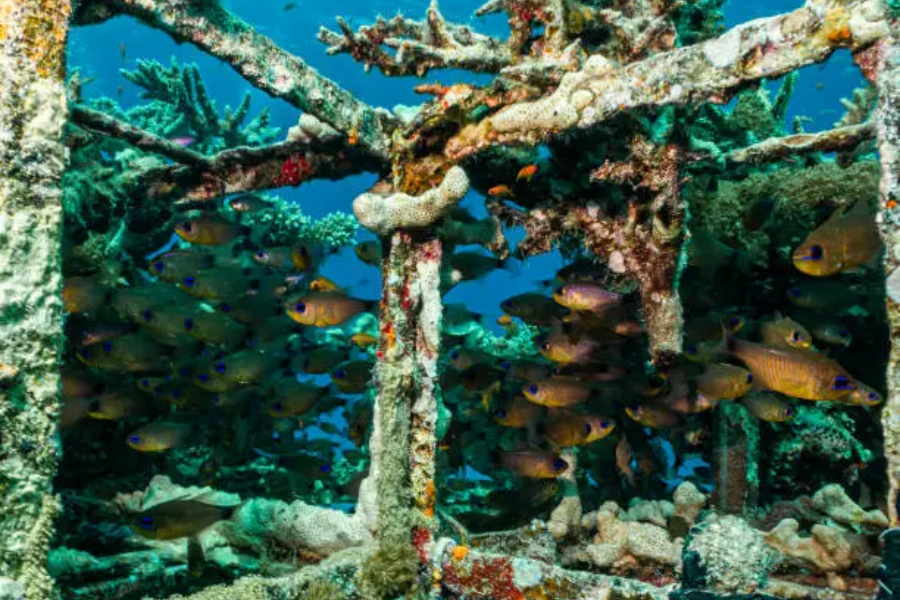
Artificial reefs are typically designed to mimic natural reef structures, offering shelter, breeding spaces, and biodiversity boosts for marine life. When created responsibly—using materials like concrete, steel, or reef modules—they can aid marine restoration, coastal protection, and fisheries management. However, poorly planned projects can quickly disrupt the delicate balance of marine ecosystems.
Birth of the Osborne Reef

Launched in 1972 with approval from the U.S. Army Corps of Engineers, the Osborne Reef project seemed like an innovative way to recycle scrap tires. Goodyear even donated the tires and symbolically dropped a gold-painted one to mark the project’s beginning. At the time, environmental engineering was still in its infancy, and the idea appeared both sustainable and economically clever.
When Good Intentions Go Wrong

Unfortunately, the tires didn’t behave like the stable base scientists imagined. Secured with nylon ropes and steel clips, many soon broke loose, moving across the seabed like slow underwater wrecking balls. Instead of creating habitat, the tires scoured coral reefs, disrupted sediment, and blocked coral regrowth.
A Global Wake-Up Call

The Florida project wasn’t alone in its failure. Similar tire reef experiments in New Jersey, Virginia, Indonesia, and Malaysia all ended disastrously. Tires proved too light to stay anchored and lacked the textured surface marine organisms need to attach and thrive. Some even released toxins as they degraded.
Cleanup and Consequences
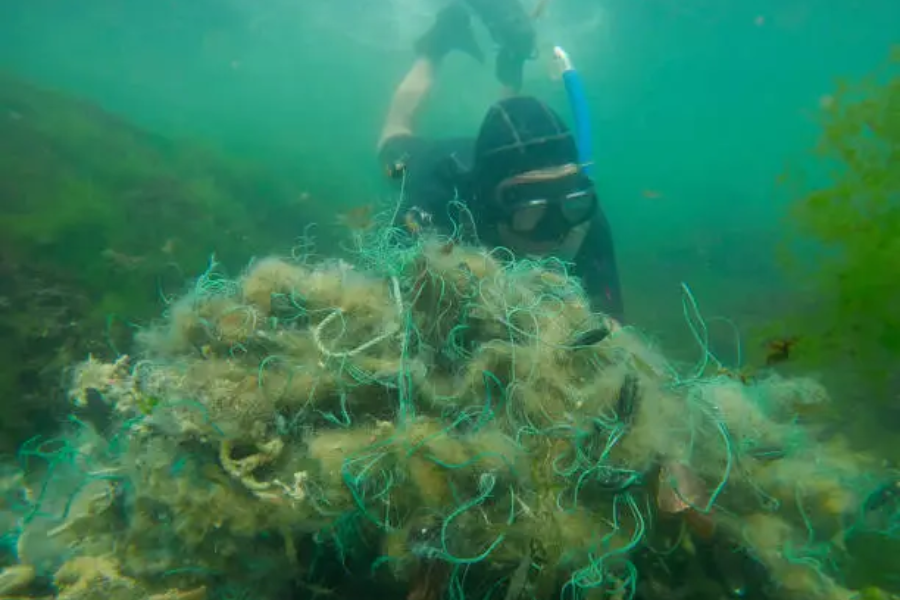
Today, the Osborne Reef cleanup is ongoing. Military divers and environmental groups like 4ocean have removed hundreds of thousands of tires, yet an estimated 500,000 still remain underwater. The operation has become both a logistical and financial burden, costing millions of dollars and years of coordinated effort.
Lessons in Sustainable Reef Design
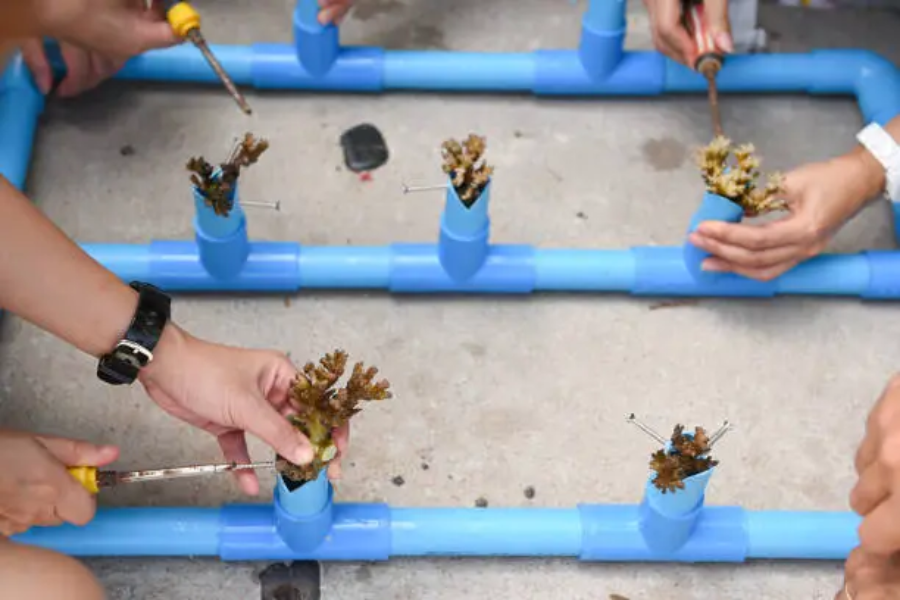
The disaster highlighted the need for rigorous environmental assessments before creating artificial reefs. Materials must be stable, non-toxic, and ecologically compatible. Organizations like the MarineBio Conservation Society now emphasize the importance of using eco-friendly materials and continuous monitoring to prevent such long-term damage.
The Role of Modern Conservation

Today’s artificial reefs use reef balls, eco-concrete, and coral propagation techniques that enhance biodiversity without harming existing ecosystems. These sustainable approaches have successfully revitalized fish populations and protected coastlines in many regions.
Public Awareness and Ocean Advocacy

The Osborne Reef story continues to educate new generations about human impact on marine environments. It serves as a warning that even well-meaning innovation can cause harm without proper ecological foresight. Campaigns and documentaries now use this story to promote responsible marine conservation and citizen involvement in cleanup initiatives.
Conclusion

What began as a creative solution to waste and reef loss has evolved into a cautionary tale. The Osborne Reef project reminds us that environmental fixes must be grounded in science, not convenience. As cleanup efforts continue, it stands as both a monument to human error and a motivation to pursue sustainable innovation that truly works with nature—not against it.
PetsFanatic Team
Pet Care Expert & Content Creator
Passionate about sharing knowledge and tips for better pet care. Writing about everything from pet health to training techniques.