
This Supervolcano Is Quietly Refilling With Magma 7,300 Years After Its Last Eruption
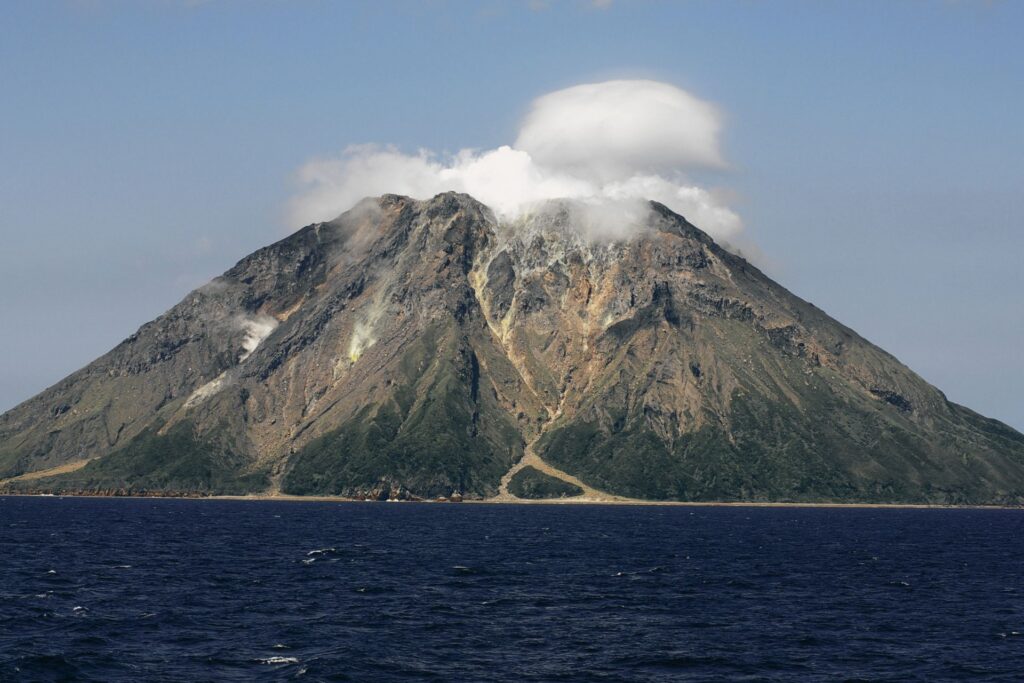
A massive supervolcano beneath the waters of southern Japan is quietly recharging, drawing significant attention from scientists worldwide. The Kikai caldera, responsible for the largest volcanic eruption of the Holocene around 7,300 years ago, is now showing clear signs of renewed magma accumulation.
Unlike typical volcanoes, supervolcanoes are capable of eruptions so powerful that they reshape landscapes and influence global climate. The Kikai-Akahoya eruption expelled enormous volumes of magma, leaving behind a vast caldera structure. Such events are rare but carry potentially catastrophic consequences, making any signs of renewed activity especially significant.
Despite the alarming nature of the discovery, scientists emphasize that the volcano is not expected to erupt imminently. Instead, the findings provide valuable insights into how supervolcanoes evolve over thousands of years, helping researchers better understand long-term volcanic cycles and associated risks.
Seismic Technology Reveals a Hidden Magma Reservoir
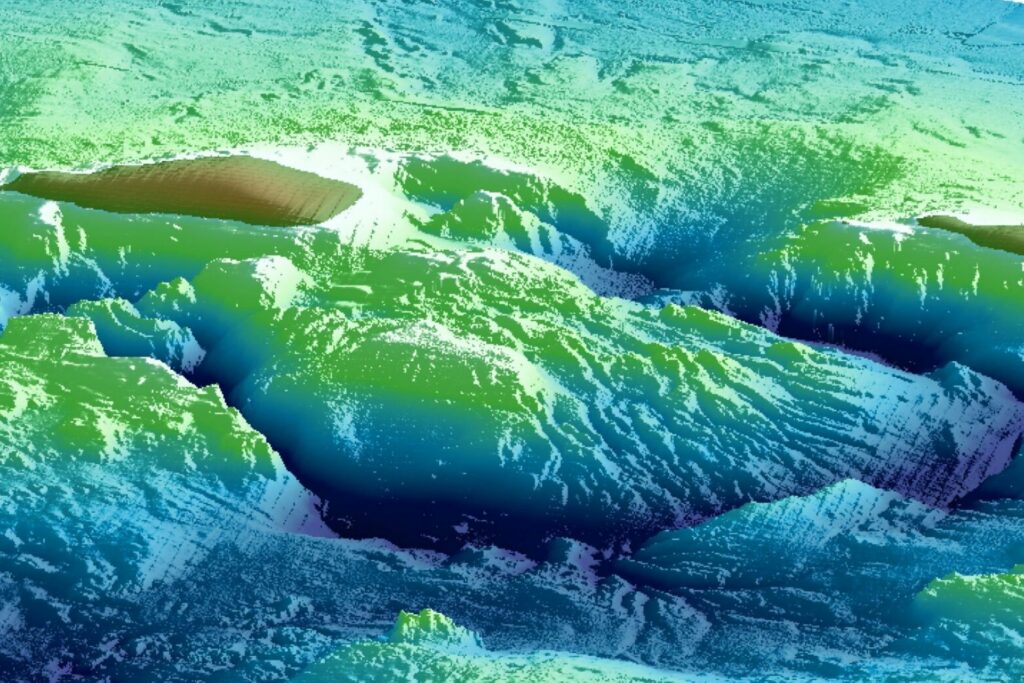
The breakthrough discovery was made using advanced seismic imaging techniques. Researchers deployed airgun arrays and ocean-bottom seismometers to map the subsurface structure of the Kikai caldera. These tools allowed scientists to analyze how seismic waves travel through the Earth’s crust, revealing the presence of magma beneath the volcano.
The surveys identified a large, magma-rich reservoir located at a shallow depth of approximately 2.5 to 6 kilometers beneath the caldera. This reservoir closely matches the location of the magma system that fueled the ancient eruption, indicating that the same volcanic structure is being reactivated.
Further analysis suggests that the reservoir contains a partial melt fraction of roughly 3% to 6%, confirming that it is not fully molten but still capable of feeding future volcanic activity. Mapping the size and shape of this reservoir marks a significant step forward in understanding the internal dynamics of supervolcanoes.
Fresh Magma Injection Signals Ongoing Recharging

One of the most intriguing aspects of the study, published in Communications Earth & Environment, is the origin of the magma currently present beneath the caldera. Scientists determined that this material is not a remnant of the ancient eruption but instead represents newly injected magma entering the reservoir over time.
Evidence for this conclusion comes from the formation of a central lava dome within the caldera over the past 3,900 years. Chemical differences between the dome’s volcanic material and the deposits from the earlier eruption indicate that the magma originates from a different source, reinforcing the idea of ongoing replenishment.
Researchers estimate that at least 32 cubic kilometers of new magma have been injected into the system since the last major eruption. This gradual accumulation supports a “melt re-injection” model, in which magma steadily refills the reservoir, potentially setting the stage for future volcanic activity.
What This Means for Future Eruptions

While the discovery of a recharging supervolcano may sound alarming, scientists caution that such processes occur over extremely long timescales. The presence of magma alone does not indicate that an eruption is imminent. Instead, it highlights the importance of continuous monitoring to detect any significant changes in volcanic behavior.
The findings also have broader implications for understanding other supervolcanoes around the world, including Yellowstone in the United States and Toba in Indonesia. Similar shallow magma reservoirs beneath these systems suggest that the melt re-injection process may be a common feature of giant caldera volcanoes.
Ultimately, the research enhances scientists’ ability to anticipate future volcanic hazards. By refining monitoring techniques and improving models of magma accumulation, researchers hope to identify early warning signs of potential eruptions, thereby reducing risks to communities and ecosystems worldwide.
PetsFanatic Team
Pet Care Expert & Content Creator
Passionate about sharing knowledge and tips for better pet care. Writing about everything from pet health to training techniques.