
This National Park May Have More Snakes Than Any Other in America, But Experts Say That’s No Reason to Panic
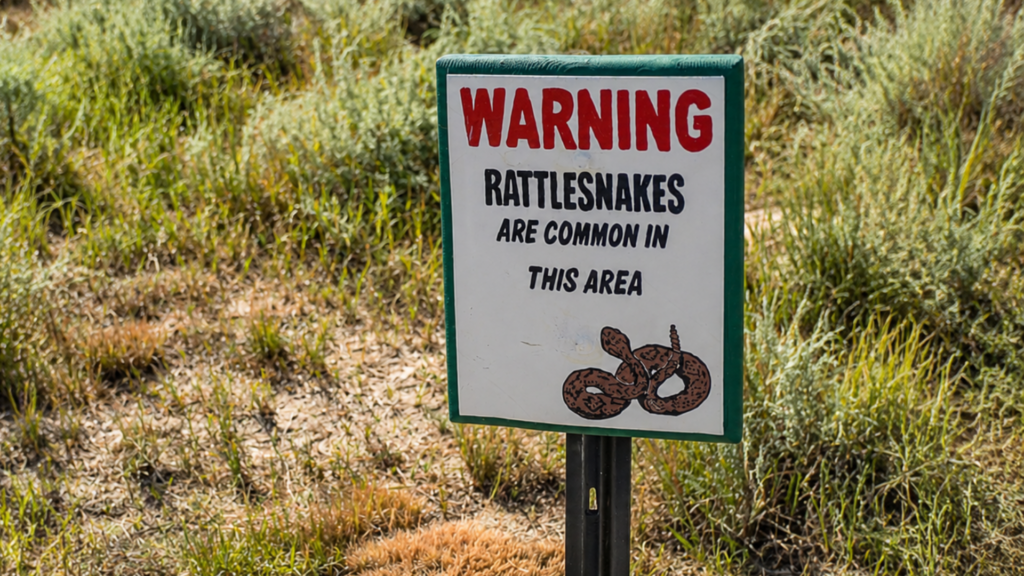
Big Bend National Park in West Texas might be the snakiest national park in the country, according to leading herpetologists. Dr. John C. Maerz of the University of Georgia told Travel + Leisure the sprawling desert park in the Chihuahuan Desert region could hold close to half of the snake species found across the United States, including the western diamondback rattlesnake, Trans-Pecos copperhead and regal ringneck snake. Even so, experts insist there’s no reason to panic.
No official count tracks snake populations inside national parks, so no one can say with certainty which one holds the most. Still, other specialists back Maerz’s take. Dr. Timothy Platts-Mills, an emergency physician and chief medical officer at Ophirex, named Big Bend a top contender alongside Great Smoky Mountains, the Grand Canyon, Saguaro and Congaree. Melissa Amarello of Advocates for Snake Preservation agreed, adding Everglades National Park in Florida to the list.
Wildlife biologist Forrest Galante explained these parks share warm climates, varied habitats and healthy ecosystems, conditions that let reptile populations thrive undisturbed. Amarello put it plainly: snakes belong in national parks. Like every native species, they’re protected because they play an essential role in a functioning ecosystem. For hikers who spot one on the trail, though, the real question is what to do in that first startling moment.
Big Bend’s Layered Terrain Packs In Nearly Half of America’s Snake Species, Says Professor
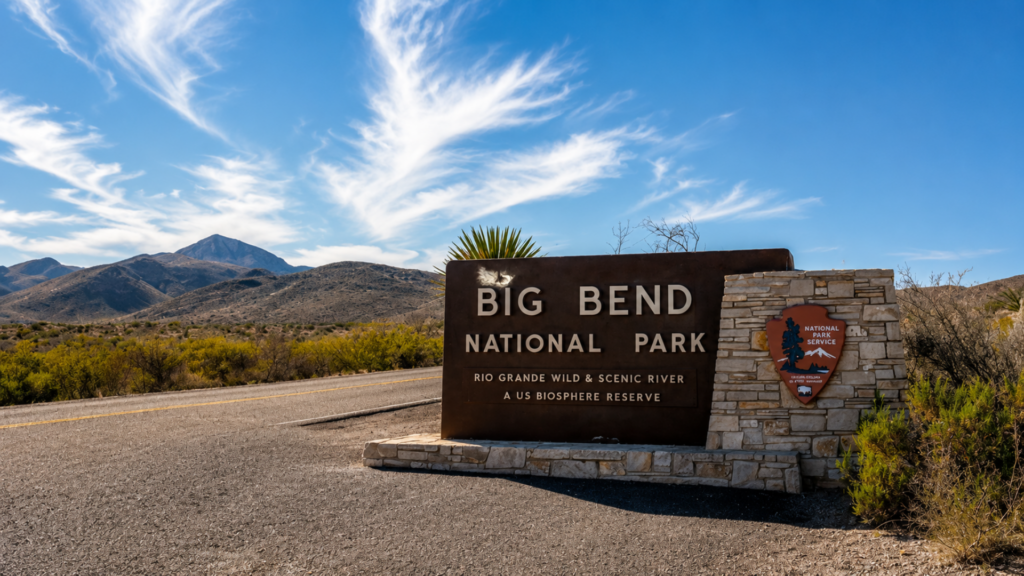
Big Bend’s appeal to snakes comes down to geography. The park stacks three distinct habitats within one boundary: the Chihuahuan Desert flats, the rugged Chisos Mountains, and the Rio Grande’s canyon corridor. That layering creates multiple ecosystems for reptiles to fill, from arid scrubland to riverside wetlands. Few other parks in the country combine that much elevation change and habitat variety in a single, protected space.
Maerz’s claim that Big Bend holds close to half of America’s snake species reflects broad diversity, though the park’s own reptile inventory, conducted with the National Park Service, has formally documented 26 snake species, including the Trans-Pecos rat snake and Texas blind snake. That gap likely reflects how much wildlife remains uncatalogued across the park’s more than 800,000 acres, rather than any overstatement of the region’s diversity.
That density means hikers on Big Bend’s trails have a real, if still low, chance of crossing paths with a snake. Herpetologists say the reaction in that moment determines almost everything about what happens next. Most snakebites nationwide are not random encounters. They happen when a person gets too close, and one wrong move turns a sighting into an emergency.
Amarello: Approaching or Handling a Snake Is How Most Bites Happen

Melissa Amarello, executive director at Advocates for Snake Preservation, said the single most important rule is simple: never approach, harass, or handle a snake. That behavior, she said, is how most bites happen. Spotting one in the wild is rare enough that Amarello calls it lucky. Snakes are secretive, spend most of their time hidden and rely on camouflage, so a clear sighting counts as a genuine treat for any visitor.
The safe distance is six feet, enough to stay outside striking range for every venomous species in the country, Amarello said. She recommends binoculars over stepping closer, which allows visitors to watch snakes behave naturally: sparring over mates, drinking rainwater, or caring for young. Backing away calmly, rather than freezing or bolting, gives both the hiker and the snake room to separate without incident.
Even careful hikers occasionally get bitten, and that possibility is where the stakes rise fastest. A venomous bite can look mild in the first few minutes and still turn dangerous within the hour, since symptoms don’t always show severity right away. Medical experts say the choices made in that window, far more than anything carried in a first-aid kit, decide how the situation ultimately ends.
Doctors Say Running After a Bite Speeds the Venom’s Spread Through the Body
Dr. Timothy Platts-Mills, chief medical officer at Ophirex, said there is little a hiker can do in the field to treat a venomous bite. Suction devices don’t work, and cutting or icing the wound only causes more damage. The single most important action is staying calm. Raising your heart rate through panic or running accelerates blood flow, which circulates venom through the body faster than it would otherwise spread.
Anyone bitten should seek medical care immediately, even if symptoms seem minor at first, since severity isn’t always obvious right away. Have someone drive to the nearest emergency room, or ask a park ranger for help; rangers can contact 911 and poison control to locate the closest facility with antivenom. Wildlife expert Peter Gros recommends planning ahead: know the nearest ranger station, and carry a charged phone, a first-aid kit, and plenty of water.
Despite Big Bend’s reputation, an actual venomous encounter remains exceedingly rare. Park records show only one documented snakebite in the park’s history: a researcher struck by a copperhead in 2009, treated and fully recovered. Nationwide, the CDC counts roughly 7,000 to 8,000 venomous snakebites a year, resulting in about five deaths, a tiny fraction given how many people hike and camp on protected land annually. Big Bend’s snakes were there long before the trails, doing exactly what a healthy ecosystem requires.
PetsFanatic Team
Pet Care Expert & Content Creator
Passionate about sharing knowledge and tips for better pet care. Writing about everything from pet health to training techniques.