
These Penguins Wearing Tiny Sensors Help Scientists Track ‘Forever Chemicals’ in Patagonia
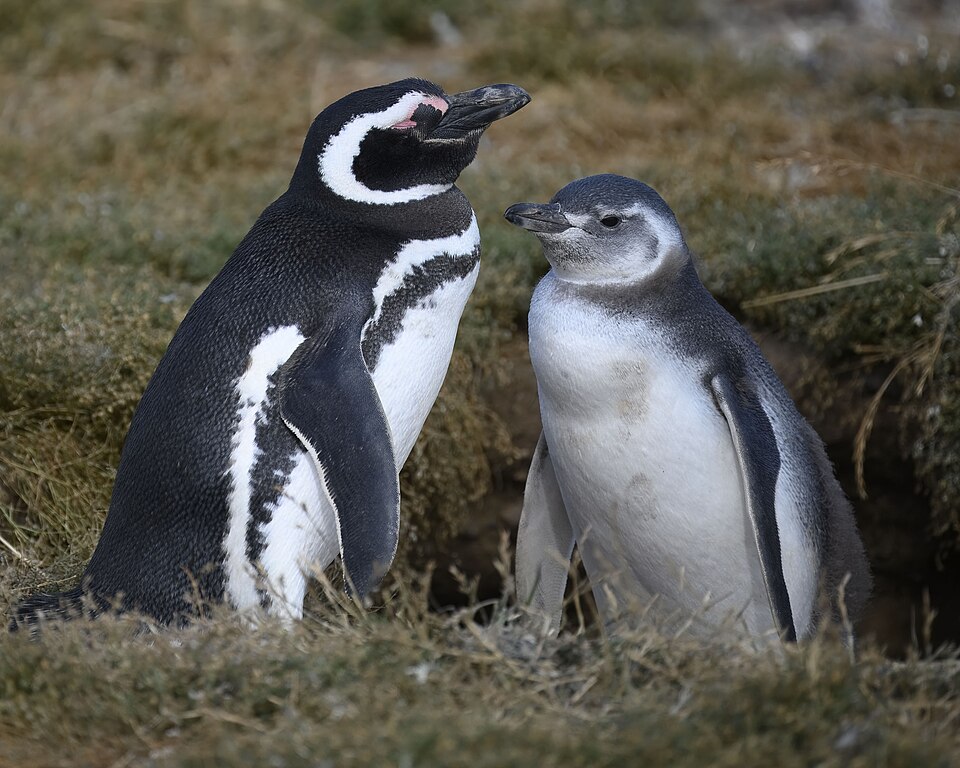
On the rugged coastlines of Patagonia, a group of penguins waddling toward the ocean is now helping scientists investigate one of the world’s fastest-growing environmental concerns. Researchers have begun equipping wild penguins with tiny tracking sensors as part of an effort to study how dangerous industrial pollutants known as “forever chemicals” are spreading through remote marine ecosystems once considered relatively untouched by human contamination.
The project focuses largely on Magellanic penguins, a species native to South America that migrates across vast stretches of the Atlantic Ocean while feeding. Because the birds travel long distances and rely heavily on marine food chains, scientists say they can act as important indicators of ocean health. By combining movement data with biological sampling, researchers hope to identify where PFAS chemicals are accumulating and how they may be affecting wildlife in the region.
Scientists involved in the project say the penguins offer a rare opportunity to gather information from areas that are difficult and expensive for humans to monitor consistently. The research could also help conservation groups understand how pollution overlaps with other threats already facing marine species, including warming waters, overfishing, and habitat disruption.
‘Forever Chemicals’ Have Become A Global Environmental Concern

The pollutants being tracked in the study belong to a large group of synthetic compounds known as PFAS, short for per- and polyfluoroalkyl substances. These chemicals have been used for decades in products such as nonstick cookware, waterproof clothing, firefighting foam, stain-resistant fabrics, food packaging, and industrial manufacturing because of their resistance to heat, water, and oil.
Scientists commonly refer to PFAS as “forever chemicals” because they break down extremely slowly once released into the environment. Instead of disappearing naturally, the compounds can remain in soil, water, wildlife, and even human bodies for years or decades. Researchers have increasingly linked certain PFAS compounds to potential health risks, including cancer, immune system disruption, fertility issues, hormonal changes, and developmental problems.
What concerns researchers most is how widespread the chemicals have become. Even regions far from major cities and industrial centers are now showing signs of contamination. Studies in recent years have detected PFAS in Arctic snow, Antarctic rainfall, deep ocean ecosystems, and isolated mountain environments, highlighting how easily these chemicals can travel through global air currents, waterways, and food chains.
Penguins Offer Scientists A Window Into Ocean Health
Researchers say penguins are particularly useful for monitoring pollution because they occupy a critical position within the marine ecosystem. As predators that consume fish, squid, and crustaceans, the birds can absorb contaminants already present lower in the food chain, allowing scientists to study how pollution builds and spreads through ocean environments over time.
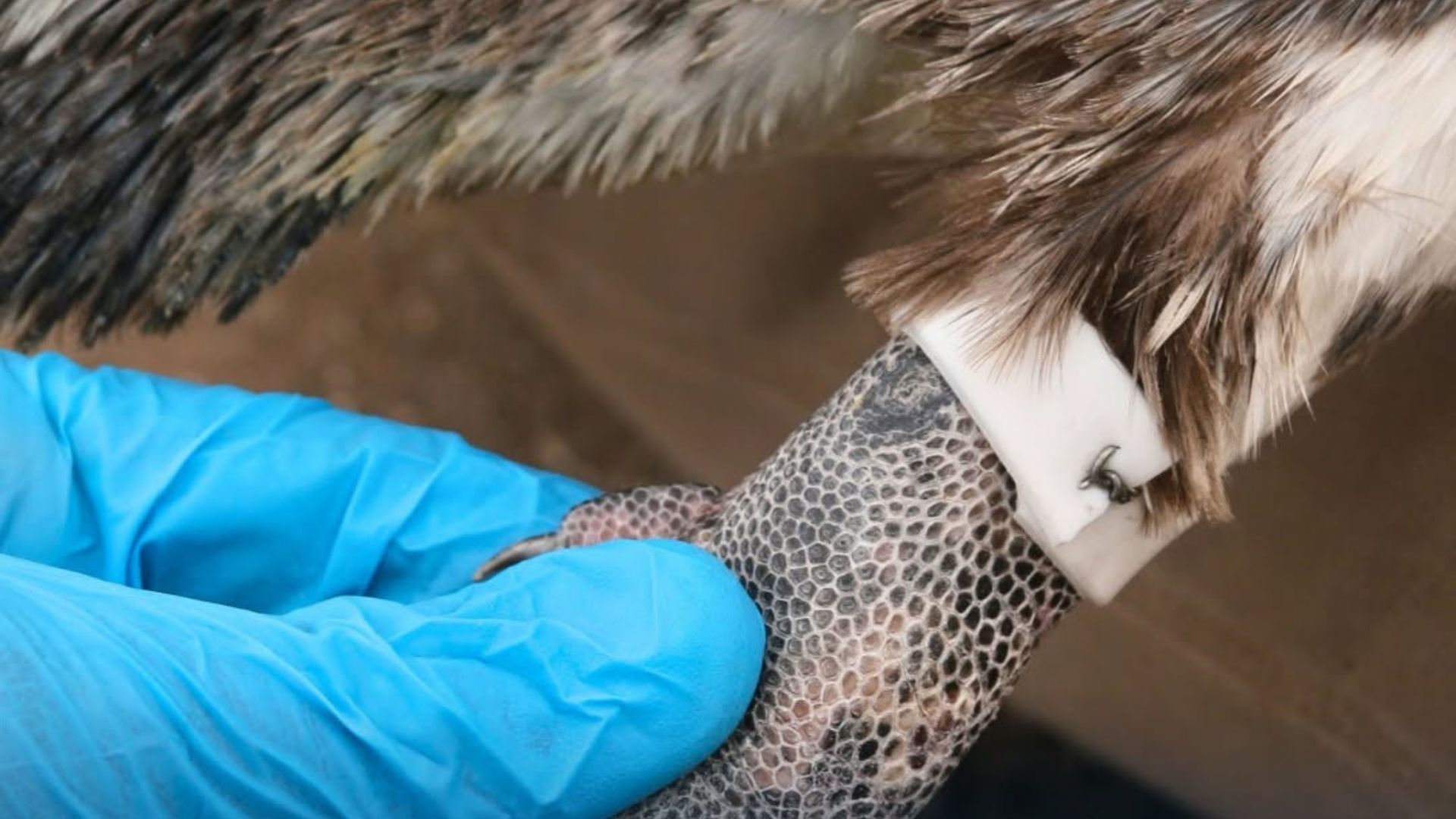
The lightweight tracking devices attached to the penguins are designed to monitor migration routes, feeding zones, diving behavior, and environmental conditions while minimizing interference with the animals’ natural movements. Scientists emphasized that the sensors are carefully tested to ensure they do not significantly affect the penguins’ survival, mobility, or ability to forage in the wild.
By studying the birds’ behavior alongside biological samples such as feathers and blood, researchers hope to identify pollution hotspots across Patagonia’s coastal waters. The information could help scientists better understand how industrial contaminants interact with marine ecosystems and how climate-related changes in ocean temperatures and currents may influence the spread of harmful chemicals in the future.
The Research Reflects Growing Worry About Hidden Pollution
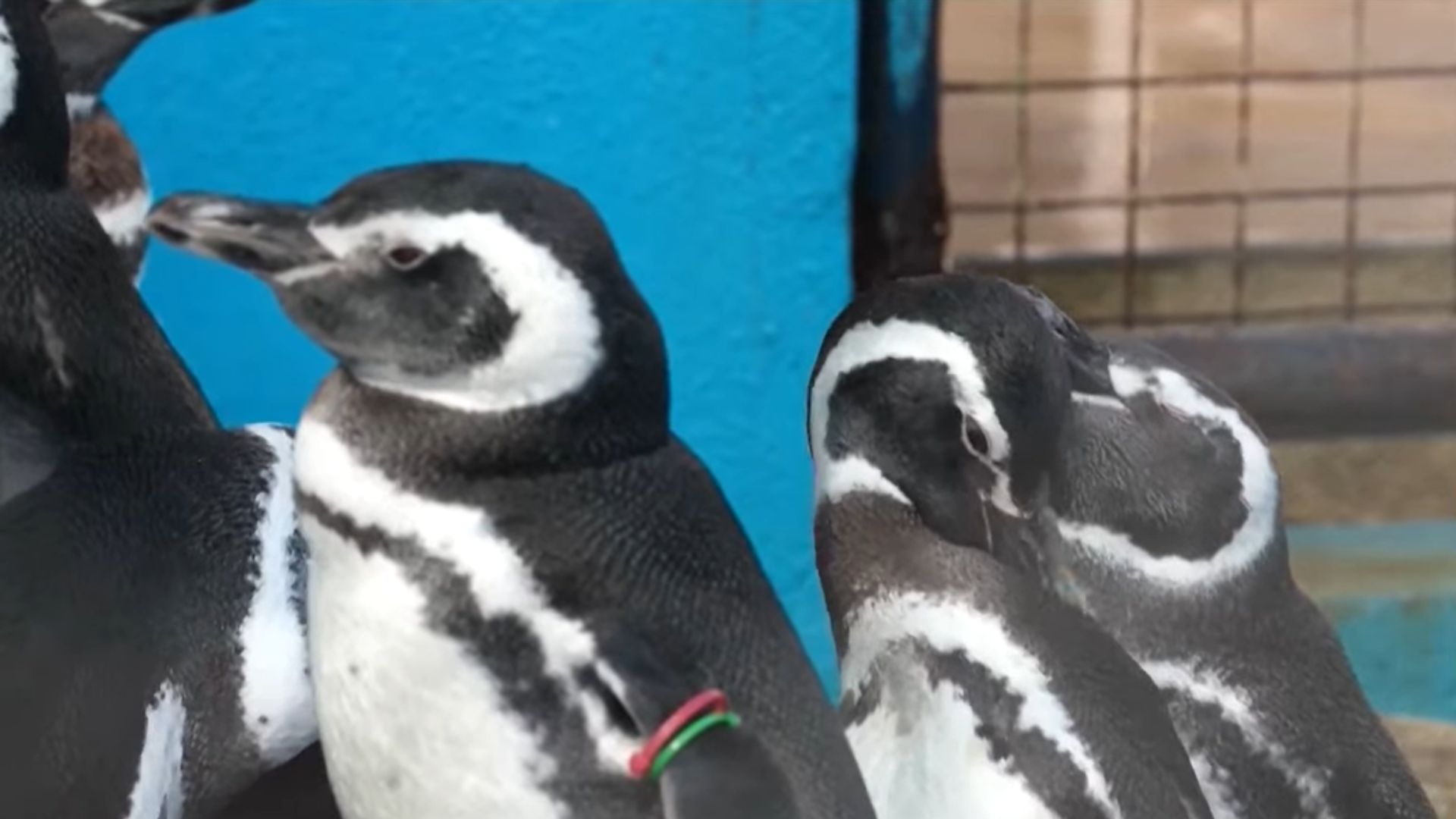
The Patagonia penguin project is part of a broader global effort to understand how deeply human activity is now affecting natural ecosystems — even in places that appear remote and untouched. Scientists increasingly warn that pollution no longer remains confined to industrial regions, with contaminants now circulating through oceans, wildlife populations, and atmospheric systems on a global scale.
Environmental researchers say projects involving animals like penguins are becoming increasingly valuable because they provide insight into long-term ecosystem health in ways that isolated water or soil samples often cannot. Tracking wildlife behavior can reveal how contamination affects feeding patterns, reproduction, migration, and broader ecological stability over time.
For many scientists, the image of penguins wearing tiny sensors carries symbolic weight beyond the research itself. The project highlights how interconnected the modern world has become, where chemicals produced thousands of miles away may ultimately end up in some of the planet’s wildest landscapes. As researchers continue studying Patagonia’s marine ecosystems, the data gathered from these seabirds may help shape future conservation strategies and deepen understanding of how pollution travels across an increasingly interconnected planet.
PetsFanatic Team
Pet Care Expert & Content Creator
Passionate about sharing knowledge and tips for better pet care. Writing about everything from pet health to training techniques.