
These Dog Breeds May Be the Closest Living Links to Wolves

Some dog breeds look unmistakably wolf-like, but appearances do not always reveal how closely their DNA connects them to ancient wolf ancestors. Genetic research has identified a group of ancient breeds with particularly close ties to the early canine line, producing some surprising results. The group includes familiar northern breeds as well as small companion dogs that look nothing like wolves.
The Research Looked Beyond Physical Appearance

Researchers studying dog genetics have found that breed appearance can be misleading when tracing ancestry. A major analysis examined DNA from hundreds of dogs representing dozens of breeds and found that certain ancient Asian and northern breeds remained genetically closer to the wolf-like ancestors of domestic dogs.
Shih Tzu Is One of the Biggest Surprises

The Shih Tzu may be the most surprising name on the list because its small size and distinctive face make it look nothing like a wild wolf. Yet genetic studies have repeatedly placed the breed among dogs with particularly ancient connections to the wolf lineage. Its history stretches back to China and Tibet, where it was developed primarily as a companion dog.
Pekingese Also Has an Ancient Genetic Connection

The Pekingese is another small companion breed that challenges the idea that wolf-related dogs must look wild. The breed originated in China and has a long history as a palace companion, but its ancient lineage places it among breeds with close genetic ties to early dog ancestors.
Siberian Huskies Still Stand Out

Siberian Huskies are much easier to associate with wolves because of their pointed ears, thick coats, and athletic build. The breed developed in Siberia as a working sled dog and belongs to a broader group of northern breeds that retained many characteristics associated with ancient dogs. Its wolf-like appearance is therefore backed by a long history of genetic and geographic links to northern canine populations.
Akitas and Shiba Inus Trace Back to Ancient Lines

Japanese breeds such as the Akita and Shiba Inu are also considered part of the ancient group of dogs with close ties to wolf ancestry. Both breeds developed in Japan and retained genetic characteristics that distinguish them from many highly specialized modern breeds. Their connection is especially interesting because neither breed needs to resemble a wolf physically to preserve an ancient genetic lineage.
Samoyeds and Alaskan Malamutes Carry the Northern Connection
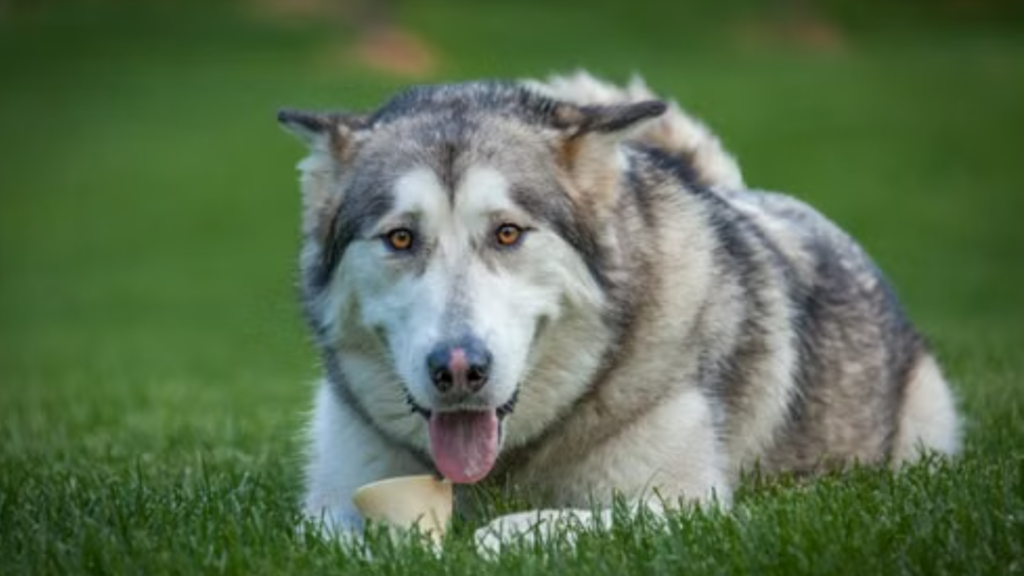
The Samoyed and Alaskan Malamute are among the breeds that most visibly resemble their wild relatives. Both developed as working dogs in harsh northern environments, where strength, endurance and thick coats were essential. Their inclusion among wolf-related breeds illustrates how some dogs have retained both physical traits and genetic characteristics associated with their ancient ancestry.
Ancient Breeds From Asia and Africa Also Make the List

The genetic connection extends beyond northern dogs. The Basenji of Africa and breeds such as the Saluki and Afghan Hound are also frequently identified among ancient dog lineages that remain relatively close to early wolf-related ancestors. These breeds demonstrate how complicated canine domestication became as dogs spread with human populations across different parts of the world.
Being Closely Related to Wolves Does Not Make a Dog a Wolf

Genetic closeness should not be confused with being partly wild or behaving like a wolf. Domestic dogs have undergone thousands of years of selection and adaptation alongside humans, producing major differences in behavior, appearance, and temperament. Even breeds with ancient genetic connections remain domesticated dogs and should not be treated as wolf substitutes or wild animals.
The Wolf Connection Is More Complicated Than It Looks

The dogs most closely connected to ancient wolf lineages are not necessarily the breeds that look the most like wolves. Shih Tzus, Pekingese, Siberian Huskies, Akitas, Samoyeds, Basenjis, and several other ancient breeds reveal how much more complicated the history of dog domestication is than appearances suggest. Their DNA offers a glimpse into the deep evolutionary history shared by humans’ closest animal companions and their wild canine relatives.
PetsFanatic Team
Pet Care Expert & Content Creator
Passionate about sharing knowledge and tips for better pet care. Writing about everything from pet health to training techniques.