
The World’s Largest Lake Is Disappearing, and Scientists Fear What Comes Next
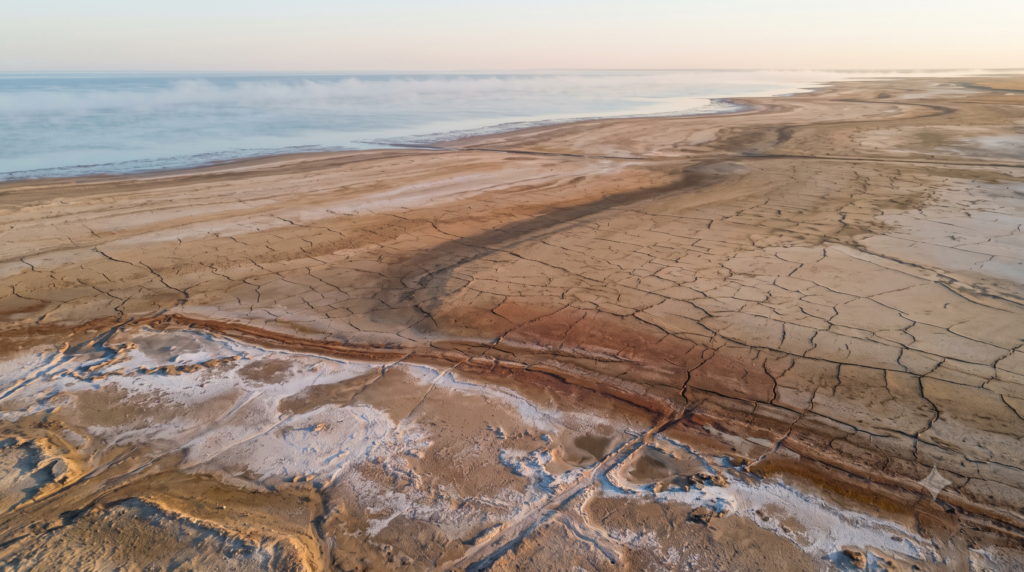
The Caspian Sea is not just a sea in name. It is officially the world’s largest inland body of water, bordered by five countries and home to unique wildlife found nowhere else. Now scientists are watching it shrink in real time, with satellite images showing its shoreline retreating year after year. Ports are drifting farther from the water, fishing boats are struggling to reach the sea, and researchers warn the decline may only be getting started. What is actually happening to this massive body of water, and why does it matter so far beyond its shores?
This article was created with the assistance of AI and reviewed by our editorial team for accuracy and clarity.
The Numbers Behind the Shrinking Shoreline

The scale of the loss is striking. The Caspian Sea has already lost more than 40,000 square kilometers of surface area, an area roughly comparable to entire small countries. Since 2020, water levels have been dropping by as much as 30 centimeters every year, pushing the sea to a record low of 29 meters below sea level. While the Caspian has experienced natural swings in water level throughout history, researchers now believe this particular decline is increasingly tied to global warming rather than the usual long term cycles.
Why a Landlocked Sea Cannot Simply Refill Itself
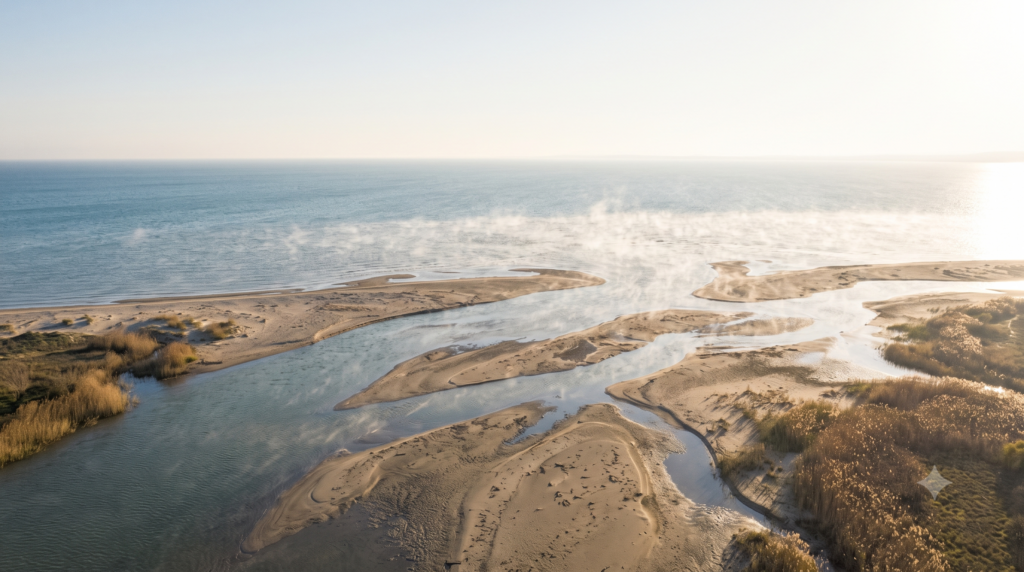
Unlike oceans, the Caspian Sea has no natural outlet to the sea. That means its water level depends entirely on a delicate balance between river inflow, rainfall, and evaporation. The Volga River supplies most of the freshwater entering the system, but rising regional temperatures have accelerated evaporation. Dr Elnur Safarov, a Caspian Sea studies expert with the environmental organization IDEA Public Union, explains that climate change is disrupting this water balance, and warns that continued warming could intensify the long term decline across the entire basin.
A Chilling Preview From the Nearby Aral Sea
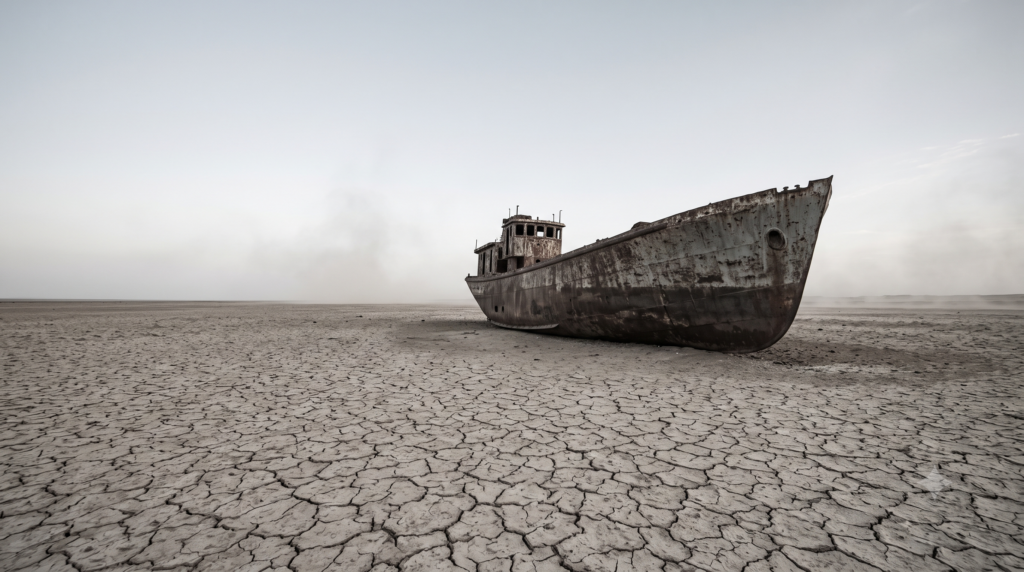
Central Asia has seen this kind of disaster before. The Aral Sea, once one of the largest lakes in the world, dried up after Soviet era irrigation projects diverted the rivers that fed it. Geologist Bekbolat Tulegenuly of the International Turkic Academy has walked across its dried seabed and seen the abandoned ghost ships left behind. He calls the experience terrifying, and warns that if the Caspian follows a similar path, the affected areas could be comparable in size to entire countries.
Kazakhstan’s Shallow Coast Feels It First
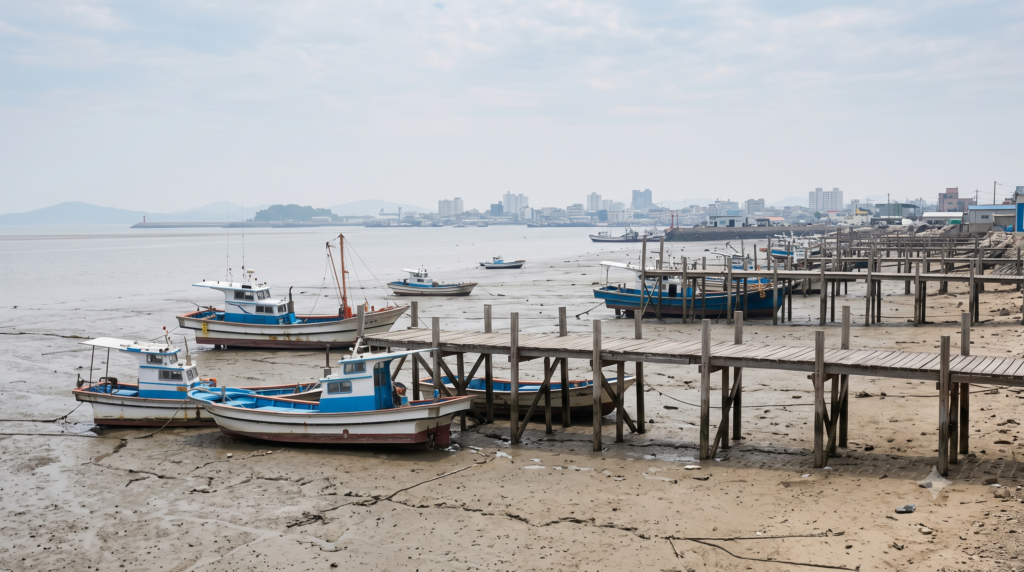
Not every country along the Caspian is affected equally. Kazakhstan’s northern shores are especially vulnerable because they are shallow, holding less than one percent of the Caspian Sea’s total water volume. That makes them the first place where shoreline retreat becomes visible to the naked eye. In the port city of Aktau, the consequences of the sea’s decline are already reshaping daily life, and scientists warn the situation could worsen significantly without systematic study and preservation efforts.
Azerbaijan’s Coast Is Also Pulling Back
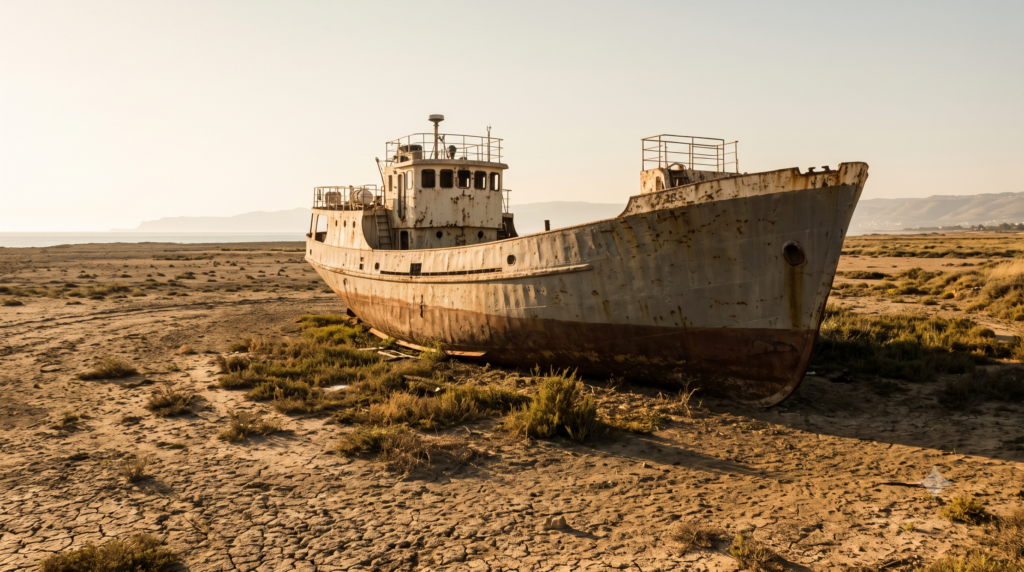
The retreat is not limited to Kazakhstan. Along Azerbaijan’s coastline, including the low lying areas of the Absheron Peninsula, the shoreline is becoming increasingly visible as previously shallow coastal zones dry out. One striking example is the Surakhani Museum Ship, a vessel that once floated offshore and now sits on shallow, exposed ground. Researchers note that even small reductions in water level can expose large areas of seabed, making these shifts easy to spot along the coast.
Sturgeon and Seals Are Running Out of Room
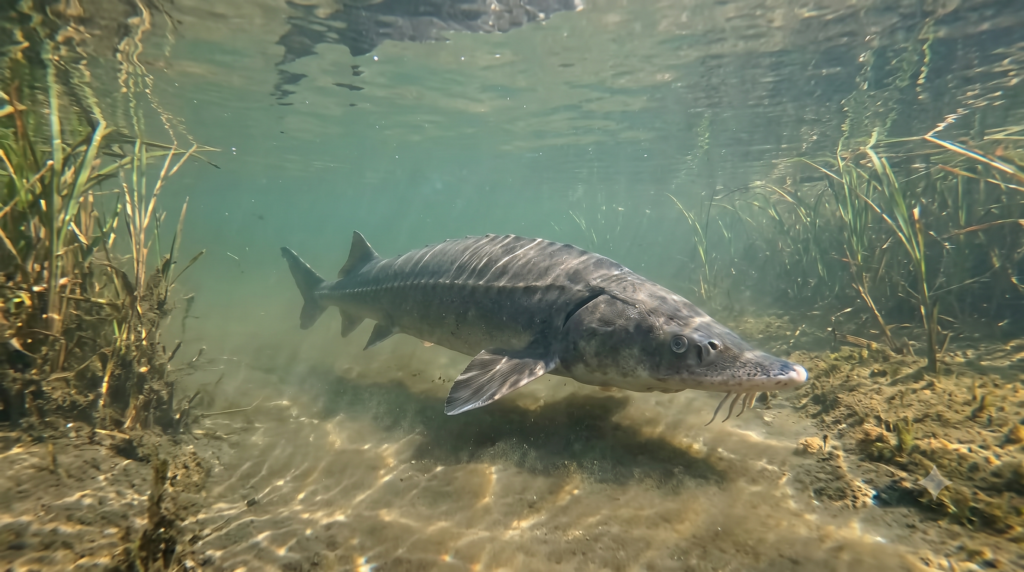
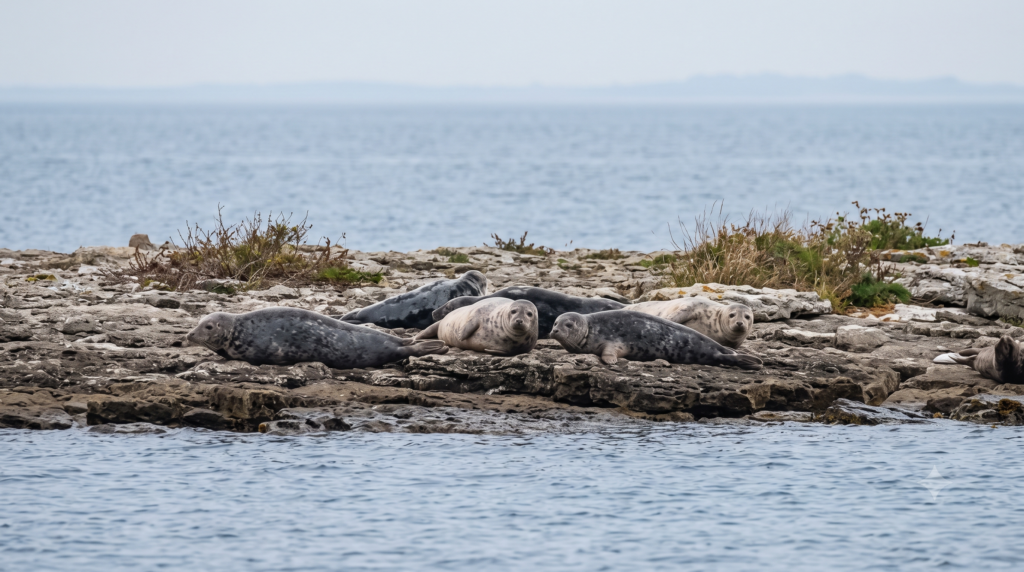
The Caspian Sea supports an extraordinary amount of biodiversity, including around 90 percent of the world’s remaining sturgeon population. As water levels fall, these fish are finding it harder to reach the river deltas they depend on to swim upstream and breed. The Caspian seal, considered a key indicator of the ecosystem’s overall health, is already listed as endangered, with zoologist Dr Nijat Hasanov pointing to combined pressures including habitat loss, reduced ice formation, pollution, and bycatch.
Millions of Birds Depend on This Fragile Coastline
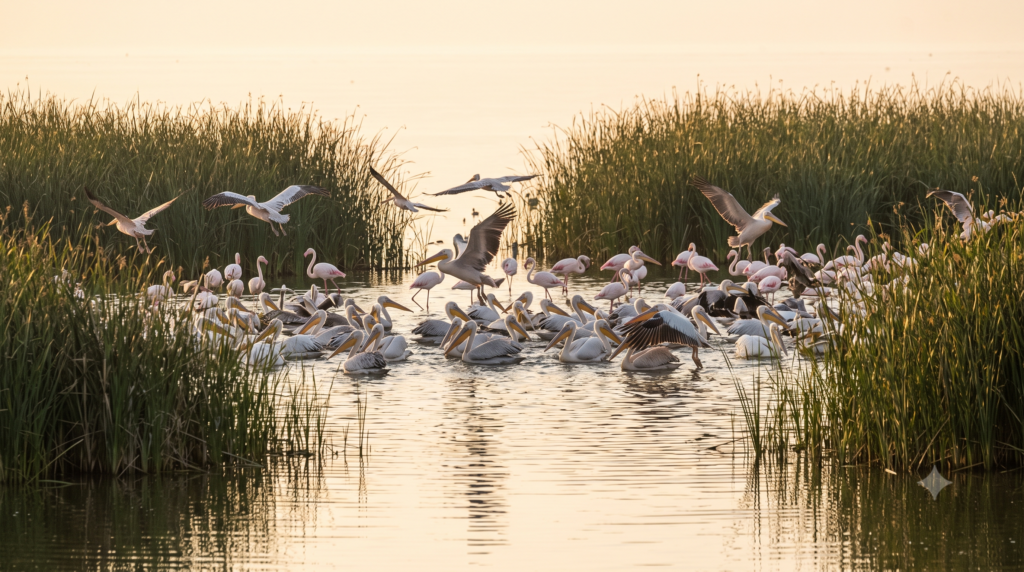
It is not just fish and seals feeling the pressure. Falling water levels are affecting wetlands, reed beds, and river delta systems across the entire Caspian basin. According to Dr Hasanov, this region provides nesting, breeding, and resting habitat for millions of birds, including pelicans, flamingos, and ducks, all of which rely on stable coastal conditions to survive. As those conditions shift, the effects extend well beyond the shoreline itself to entire migratory populations.
Fishing Communities Are Having to Adapt
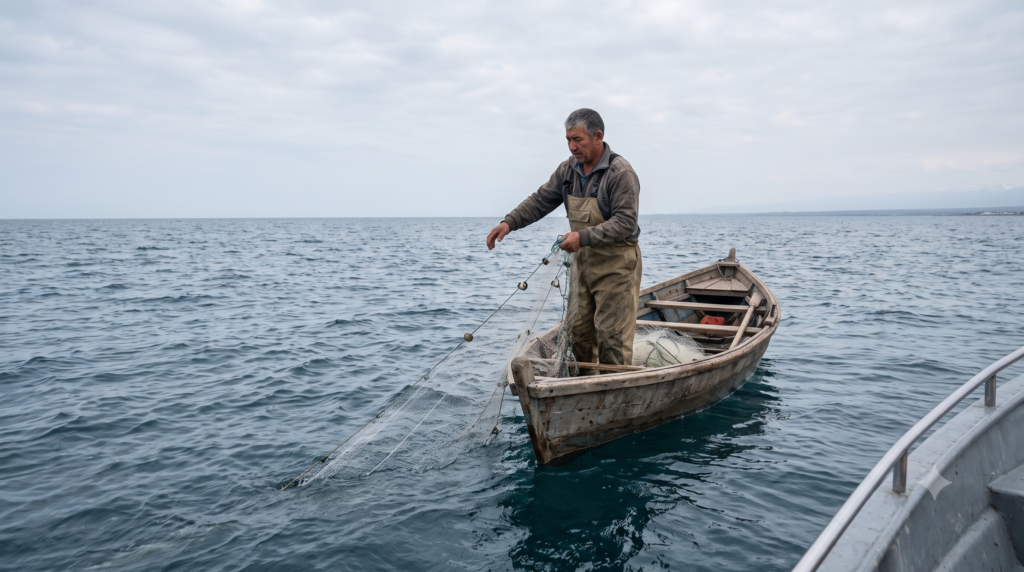
For the people who make their living from the Caspian, the changes are impossible to ignore. Farhad Mukhtarov, an expert on water governance at the International Institute of Social Studies, explains that fishing communities now have to travel farther out to sea just to catch the same amount of fish they once found close to shore, often facing rougher weather and less predictable conditions. Despite these growing challenges, Mukhtarov notes that coastal communities are responding with cooperation and resilience.
What Happens Next Depends on Regional Cooperation
Protecting the Caspian Sea is a shared responsibility among the five countries that border it: Azerbaijan, Iran, Kazakhstan, Russia, and Turkmenistan. Since 2003, they have worked together under the Tehran Convention, a framework focused on pollution prevention, biodiversity protection, and environmental monitoring. Mahir Aliyev, coordinator of the convention’s secretariat, calls the sea’s decline a matter of serious concern for all five nations. Without coordinated action, the pressures on this vast, ancient body of water and the millions who depend on it will only continue to grow.
PetsFanatic Team
Pet Care Expert & Content Creator
Passionate about sharing knowledge and tips for better pet care. Writing about everything from pet health to training techniques.