
The Unexpected Public Health Strategy Helping Save Endangered Mountain Gorillas
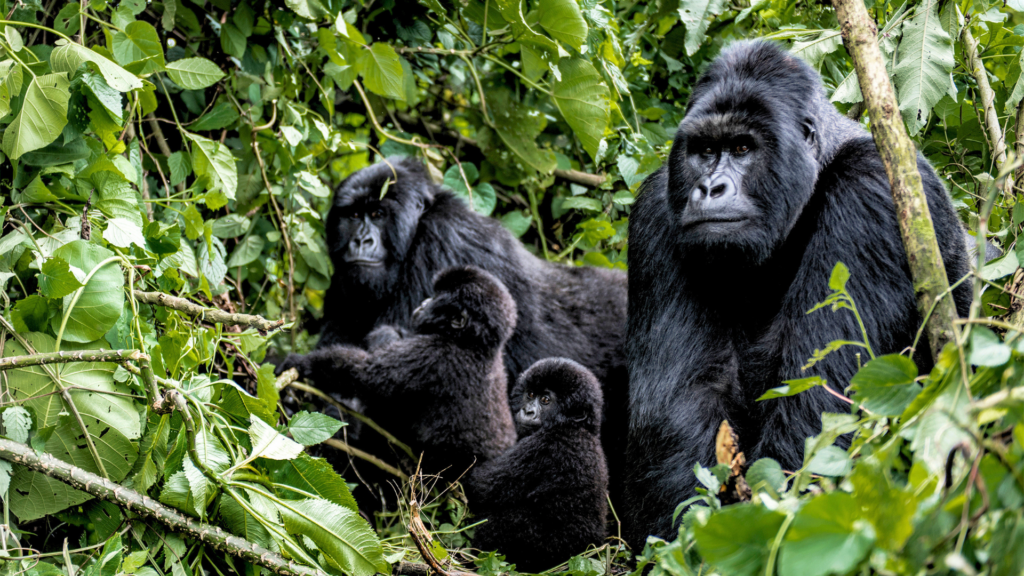
One of Africa’s most successful wildlife conservation stories has come from an unexpected strategy: improving human health. Ugandan wildlife veterinarian Dr. Gladys Kalema-Zikusoka realized that protecting endangered mountain gorillas required addressing the health and well-being of the people living beside them. Her “One Health” approach has helped improve community healthcare while contributing to a remarkable recovery in the mountain gorilla population.
Mountain Gorillas Once Faced a Dangerous Decline

In the late 1990s, mountain gorillas were critically endangered, with only about 620 individuals remaining across Uganda, Rwanda, and the Democratic Republic of the Congo. Habitat loss, poaching, and diseases transmitted from humans threatened their survival. Because gorillas share approximately 98% of their DNA with humans, they are highly susceptible to many of the same illnesses, including respiratory infections.
A Wildlife Veterinarian Saw a Missing Piece

As Uganda’s first wildlife veterinarian, Dr. Gladys Kalema-Zikusoka noticed that gorillas living near villages were becoming sick with diseases that likely originated in nearby human communities. She concluded that conservation efforts focused solely on protecting wildlife would never fully succeed if local residents lacked access to healthcare. That realization inspired an entirely new conservation model.
Conservation Through Public Health Was Born

In 2003, Kalema-Zikusoka founded Conservation Through Public Health (CTPH), a nonprofit dedicated to improving the health of people, livestock, and wildlife simultaneously. The organization provides healthcare education, disease prevention programs, family planning services, and veterinary monitoring while working closely with communities surrounding protected areas. The goal is to reduce disease transmission while improving livelihoods.
Healthy Communities Mean Healthier Gorillas

CTPH trains Village Health and Conservation Teams that educate families about sanitation, hygiene, and disease prevention. Better access to healthcare reduces the spread of infectious diseases that could otherwise reach gorillas through close human contact, especially during ecotourism activities or farming near park boundaries. This approach benefits both local families and endangered wildlife.
Better Livelihoods Reduce Pressure on Wildlife

The organization also helps local communities earn sustainable incomes through initiatives such as Gorilla Conservation Coffee. Farmers receive better prices for their coffee, giving them stronger economic incentives to protect forests instead of exploiting wildlife habitats. Improved livelihoods reduce illegal activities such as poaching and encroachment into gorilla territory.
The Gorilla Population Has Recovered

The results have been encouraging. Uganda’s mountain gorilla population has grown by more than 50% since the early years of CTPH’s work, while the global mountain gorilla population has surpassed 1,000 individuals. Mountain gorillas are now classified as Endangered rather than Critically Endangered, making them one of the few great ape species whose numbers are increasing.
The One Health Model Is Inspiring Others

Kalema-Zikusoka’s work has become a leading example of the “One Health” concept, which recognizes that human, animal, and environmental health are closely connected. Her approach has earned international recognition, including being named a CNN Hero and receiving the United Nations’ Champions of the Earth award. Conservation organizations worldwide are studying similar strategies for protecting wildlife alongside local communities.
Challenges Still Remain

Despite the conservation success, mountain gorillas still face ongoing threats from habitat pressure, climate change, infectious diseases, and growing human populations around protected forests. Continued investment in healthcare, education, and sustainable economic opportunities will remain essential for maintaining the species’ recovery. Conservationists stress that long-term success depends on supporting both wildlife and the people who share their environment.
Saving Wildlife Sometimes Starts With Helping People

The recovery of endangered mountain gorillas demonstrates that conservation is not always about building fences or creating stricter protections. By improving healthcare, sanitation, and economic opportunities for nearby communities, Dr. Gladys Kalema-Zikusoka showed that protecting human health can directly benefit wildlife. Her innovative “One Health” strategy has become one of the world’s most successful examples of conservation through community partnership.
PetsFanatic Team
Pet Care Expert & Content Creator
Passionate about sharing knowledge and tips for better pet care. Writing about everything from pet health to training techniques.