
The Ocean Is Growing as It Warms. Scientists Say Coastlines Are Feeling the Effects

Sea levels have been rising for decades, but scientists are now gaining a much clearer understanding of what is driving the change. A new study reveals that warming oceans, not just melting ice, play a major role in increasing global sea levels. The findings provide a more complete picture of how Earth’s climate is changing and why coastal communities around the world are facing growing risks.
Warming Oceans Are Expanding

When seawater absorbs heat, it naturally expands and takes up more space, a process known as thermal expansion. Although melting glaciers and ice sheets often dominate discussions about rising seas, researchers found that the expansion of warmer ocean water is currently the single largest contributor to global sea-level rise.
Scientists Reexamined Decades of Data
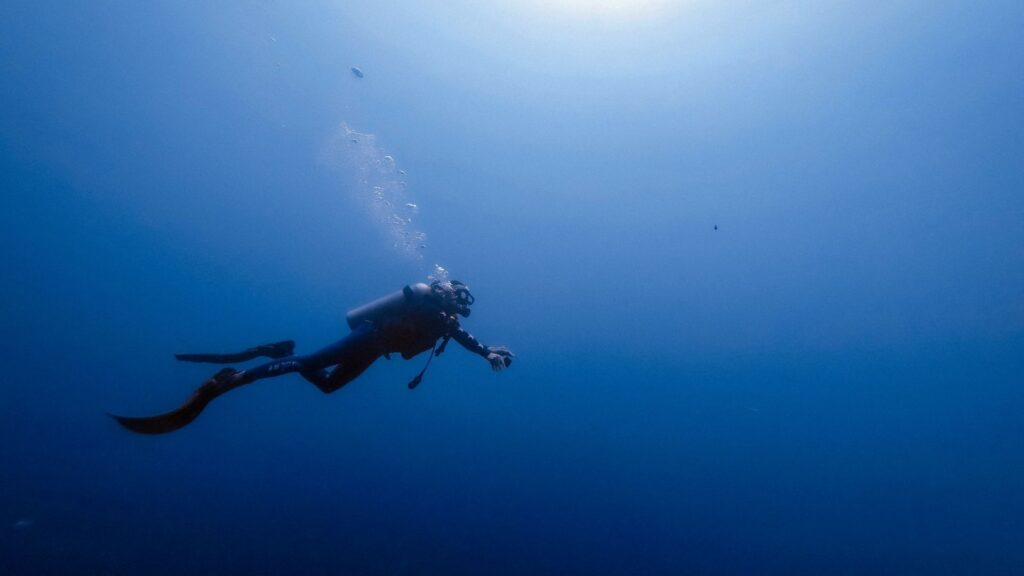
The research, published in Science Advances, brought together an international team that analyzed several long-term datasets covering different periods. Their review combined information from tide gauges, satellite observations, and ocean-monitoring buoys collected between 1960 and 2023, allowing scientists to compare independent sources and produce more reliable estimates.
Sea Levels Are Rising Faster Than Before

According to the study, the average global sea level increased by about 2.06 millimeters per year over the full observation period. More recent measurements show that the pace has accelerated considerably, reaching 3.94 millimeters, or about 0.16 inches, each year between 2005 and 2023. This trend highlights how the rate of change has grown over time.
Thermal Expansion Leads the Way

The analysis found that thermal expansion was responsible for approximately 43% of the total increase in global sea level. As oceans continue storing excess heat from Earth’s warming climate, the water keeps expanding, making this process the largest single factor behind the overall rise observed by researchers.
Melting Ice Still Plays a Major Role

Although warming seawater contributed the largest share, melting ice remained a significant source of rising seas. Mountain glaciers accounted for 27% of the increase, while the Greenland Ice Sheet contributed 15% and the Antarctic Ice Sheet added another 12%. Changes in water stored on land represented the remaining 3%.
Understanding the Full Picture Matters

Scientists aim to match the observed rise in sea level with the combined contribution of every known cause. This approach, called balancing the global mean sea-level budget, helps confirm that climate models accurately reflect what is happening in the real world and improves confidence in future projections.
Better Forecasts Support Coastal Planning

More accurate estimates help governments, engineers, and communities prepare for future challenges. Reliable projections can improve decisions related to flood protection, coastal erosion, infrastructure design, and long-term development in areas that face increasing exposure to rising water levels.
Rising Seas Will Continue for Decades

The study also suggests that sea levels are expected to keep increasing even if global pollution declines rapidly. Because the oceans absorb and retain heat for long periods, scientists expect them to continue warming for at least the next 50 years, meaning thermal expansion will likely remain an important driver of sea-level rise.
The Effects Reach Beyond the Coast
The consequences extend far beyond beaches and shorelines. Higher sea levels can influence food production, force people to relocate, increase pressure on public infrastructure, and threaten livelihoods in many parts of the world. As these impacts grow, millions of people could face greater environmental and economic challenges.
Researchers Have Greater Confidence in the Findings

Mechanical engineer John Abraham said that scientists had long struggled to fully explain the gap between observed sea-level rise and the contribution of its individual causes. He noted that advances in monitoring technology, improved scientific methods, and more sophisticated analysis have now closed much of that gap, giving researchers greater confidence in explaining why the world’s oceans continue to rise.
PetsFanatic Team
Pet Care Expert & Content Creator
Passionate about sharing knowledge and tips for better pet care. Writing about everything from pet health to training techniques.